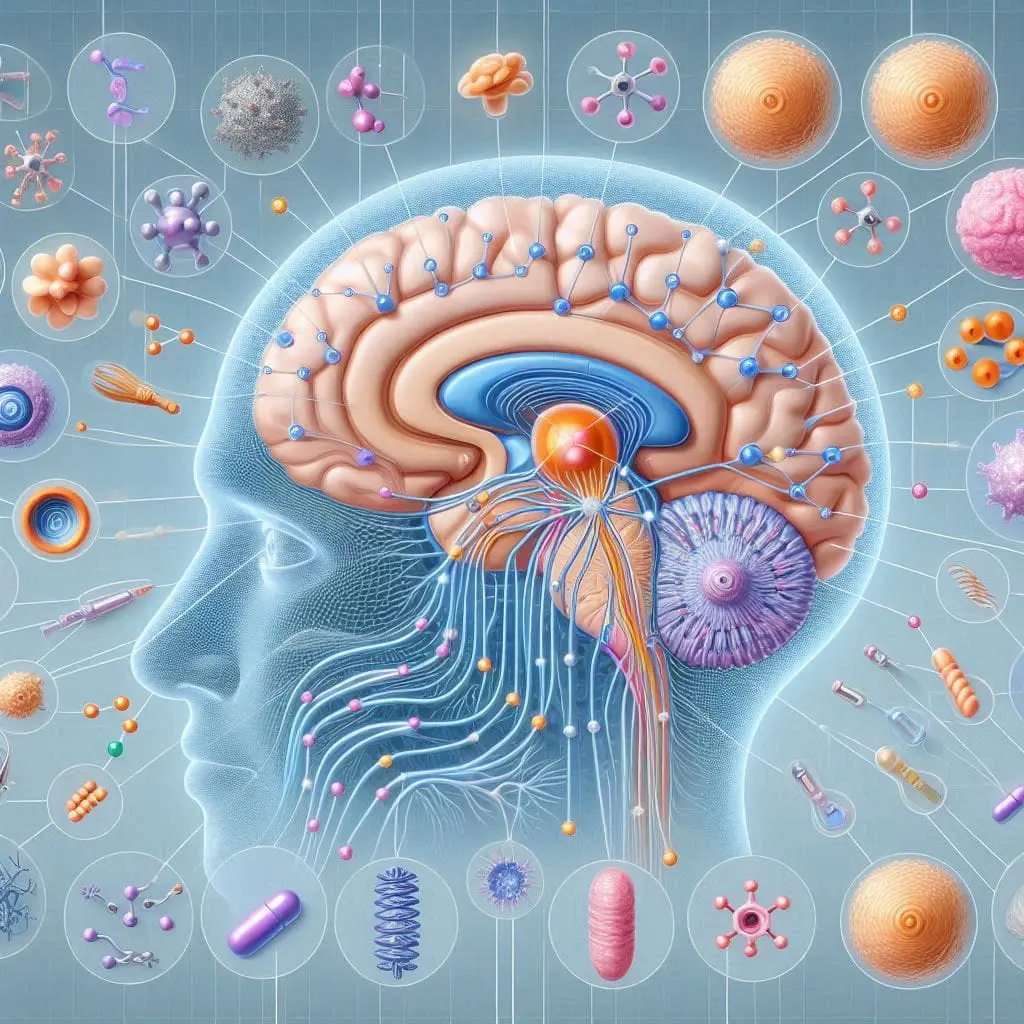
Stimulating the anterior cingulate cortex (ACC) has been linked to an array of cognitive and emotional benefits. This region of the brain plays a crucial role in regulating attention, decision-making, empathy, and emotional responses. By learning how to activate and stimulate the ACC, individuals can improve their focus, problem-solving skills, and overall mental well-being.
One way to stimulate the ACC is through mindfulness practices. Mindfulness involves bringing attention to the present moment without judgement. By practising mindfulness meditation, individuals can enhance the connectivity and functioning of the ACC. This can lead to improved attention and cognitive performance, as well as a greater sense of emotional control and well-being.
Another way to stimulate the ACC is through physical exercise. Research has shown that aerobic exercise can increase blood flow to the ACC and improve its functioning. Activities such as running, swimming, or cycling can help boost attention, cognitive flexibility, and mood regulation. Incorporating regular exercise into your routine can help keep your ACC in top shape.
Engaging in challenging and stimulating mental activities can also stimulate the ACC. Activities that require problem-solving, decision-making, and creativity can help activate this region of the brain. Puzzles, brain teasers, and strategic games like chess or Sudoku can all help keep your ACC sharp and engaged.
In addition, practising gratitude and acts of kindness can also stimulate the ACC. Research has shown that expressing gratitude and engaging in acts of kindness can activate the ACC and increase feelings of happiness and empathy. Taking time to appreciate the good things in your life and helping others can have a powerful impact on your brain and overall well-being.
Overall, stimulating the anterior cingulate cortex can have numerous benefits for your mental health and cognitive functioning. By incorporating mindfulness practices, physical exercise, challenging mental activities, and acts of kindness into your daily routine, you can help keep this important region of the brain in top shape. So go ahead and give your ACC a workout – your brain will thank you for it!
Share this:

You Might Also Enjoy Reading