
Chronic stress is a common issue that many individuals face in today’s fast-paced world. Whether it be due to work pressures, relationship problems, financial struggles, or other life challenges, prolonged stress can have a significant impact on our overall well-being.
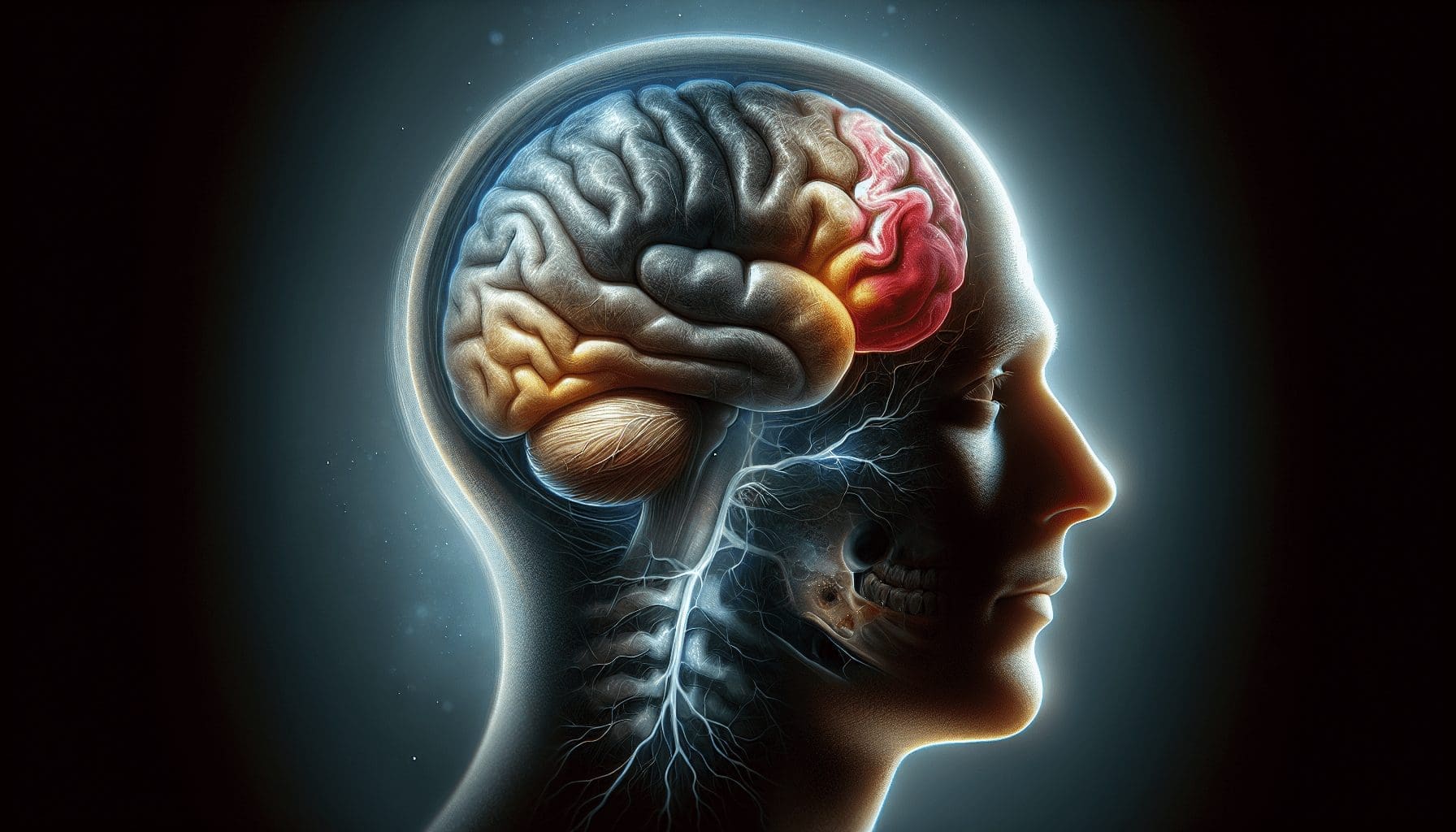
One of the lesser-known effects of chronic stress is its ability to cause structural changes in the brain. Research has shown that repeated exposure to stress can lead to alterations in the size and connectivity of certain brain regions, particularly in areas involved in emotional regulation and memory. For example, chronic stress has been linked to a decrease in the volume of the hippocampus, a brain region crucial for memory formation and emotional processing. Additionally, chronic stress can also lead to changes in the prefrontal cortex, which plays a key role in decision-making, impulse control, and emotion regulation.
These structural changes in the brain can have profound effects on our emotional well-being. Individuals experiencing chronic stress may find themselves more prone to mood swings, irritability, anxiety, and depression. They may also struggle with memory and concentration issues, as well as difficulty regulating their emotions and responses to stressful situations. In some cases, chronic stress can even contribute to the development of mental health disorders such as post-traumatic stress disorder (PTSD) or generalised anxiety disorder.
It’s important to recognise the impact that chronic stress can have on our brains and emotions and take steps to manage and reduce stress levels. This may involve practising relaxation techniques such as deep breathing, meditation, or yoga, engaging in regular exercise, getting enough sleep, and seeking support from friends, family, or a therapist. By taking active steps to reduce stress and promote emotional well-being, we can help protect our brains from the harmful effects of chronic stress and improve our overall quality of life.
Share this:

You Might Also Enjoy Reading