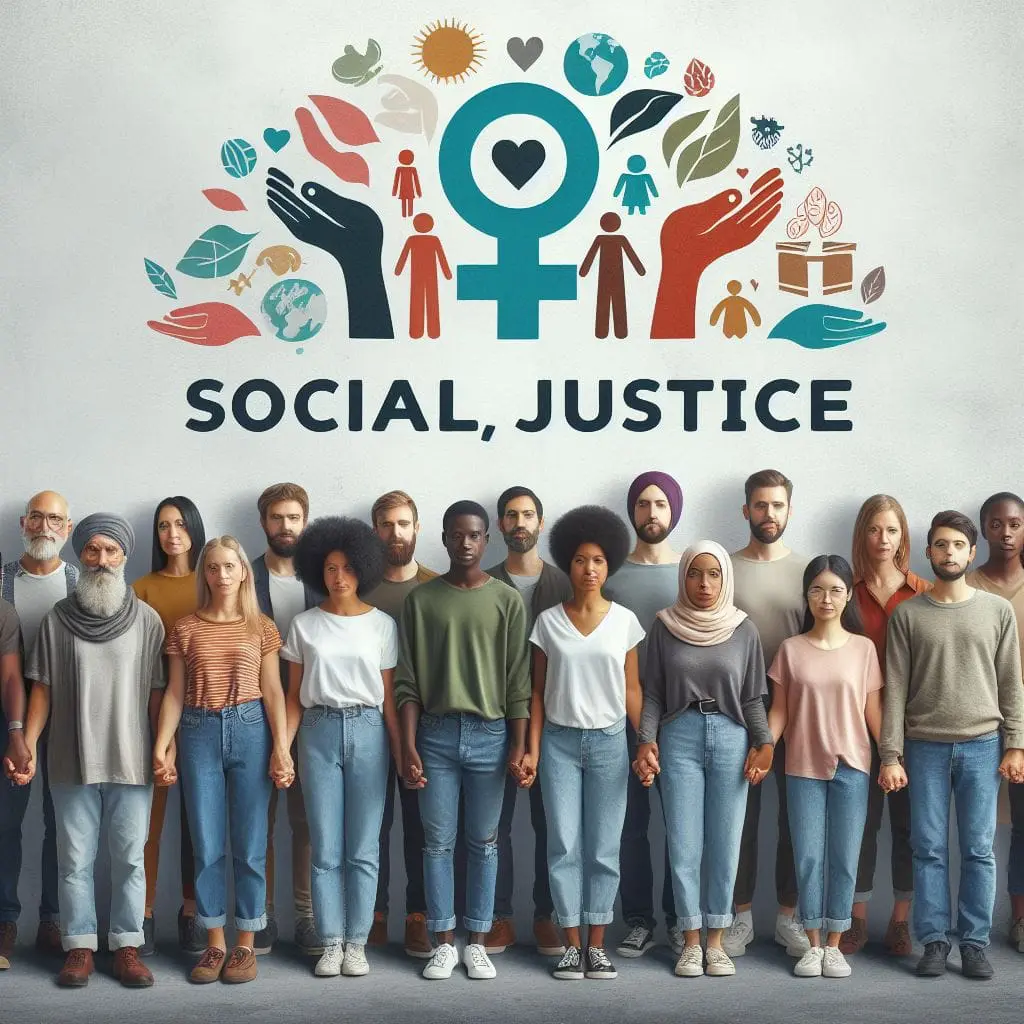

Discrimination is a toxic force that not only harms individuals psychologically and emotionally, but it also takes a toll on their physical health. The impact of discrimination on health has been well-documented, with numerous studies showing that experiencing discrimination can lead to a wide range of health problems, from increased stress and anxiety to higher rates of chronic diseases.
One of the most significant ways in which discrimination affects health is through its impact on mental health. Research has consistently shown that individuals who experience discrimination are more likely to suffer from depression, anxiety, and other mental health disorders. Discrimination can also contribute to feelings of isolation and loneliness, which can further exacerbate mental health issues.
In addition to its effects on mental health, discrimination can also have a direct impact on physical health. Studies have shown that experiencing discrimination is associated with higher rates of hypertension, heart disease, and other chronic conditions. This is because discrimination triggers the body’s stress response, leading to elevated levels of stress hormones like cortisol, which can have a negative impact on the cardiovascular system.
Furthermore, discrimination can also affect health behaviours. Research has shown that individuals who face discrimination are more likely to engage in unhealthy behaviours such as smoking, excessive drinking, and poor diet, which can further increase their risk of developing chronic diseases.
It’s important to recognise the significant impact that discrimination can have on health and to take steps to address this issue. Creating a more inclusive and equitable society can help reduce the prevalence of discrimination and improve the health outcomes of marginalised groups. Additionally, providing support and resources for individuals who have experienced discrimination can help buffer the negative health effects of these experiences.
In conclusion, discrimination is a pervasive and harmful force that can have far-reaching effects on health. By raising awareness of these impacts and working towards creating a more inclusive and equitable society, we can help to mitigate the negative health effects of discrimination and improve the overall well-being of all individuals.
Share this:

You Might Also Enjoy Reading