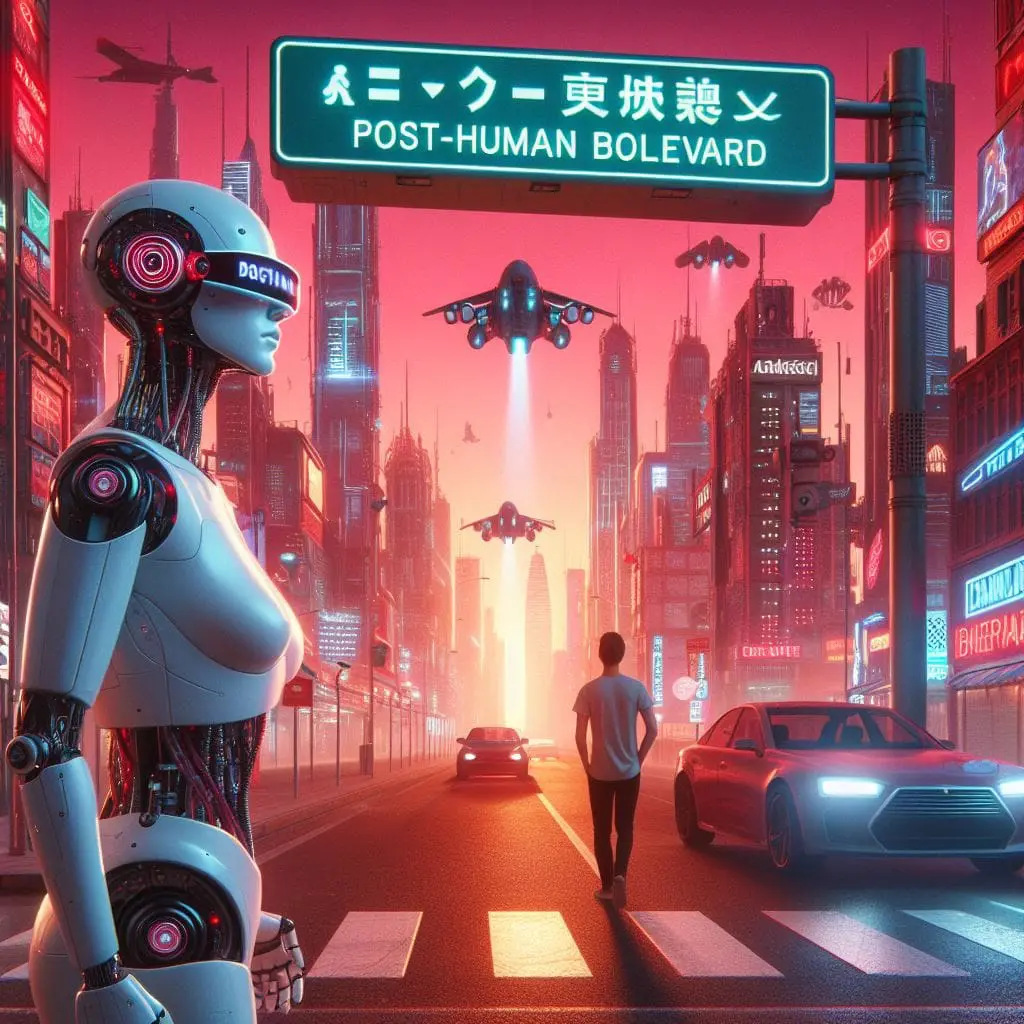

In recent years, there has been an increasing amount of speculation and discussion about the concept of the post-human age. This term refers to a hypothetical future in which human beings have evolved or merged with technology to such an extent that they are no longer recognisable as purely biological organisms. Instead, they have become a new type of entity, one that combines the best traits of both humans and machines.
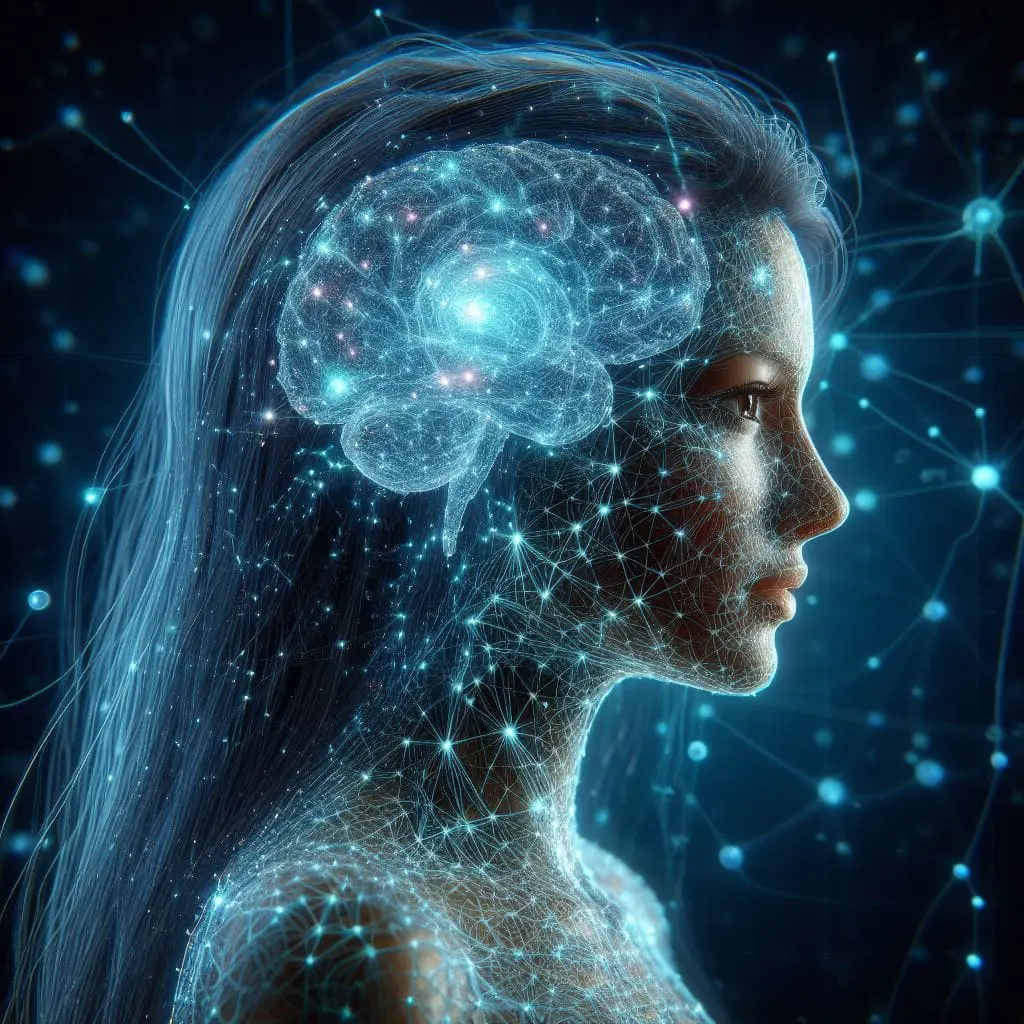
This idea may sound like something out of a science fiction novel, but some experts believe that it could become a reality in the not-too-distant future. Advances in fields such as artificial intelligence, genetic engineering, and cybernetics are rapidly blurring the lines between humans and machines. And as technology continues to advance at an exponential rate, it is not too far-fetched to imagine a world in which humans have transcended their biological limitations and embraced a new, post-human form.
But what would life in the post-human age look like? Some believe that it could bring about a new era of prosperity and enlightenment, with humans enjoying enhanced intelligence, longer lifespans, and an increased capacity for creativity and innovation. Others, however, fear that it could lead to a dystopian future in which humans are enslaved by machines or stripped of their individuality and autonomy.
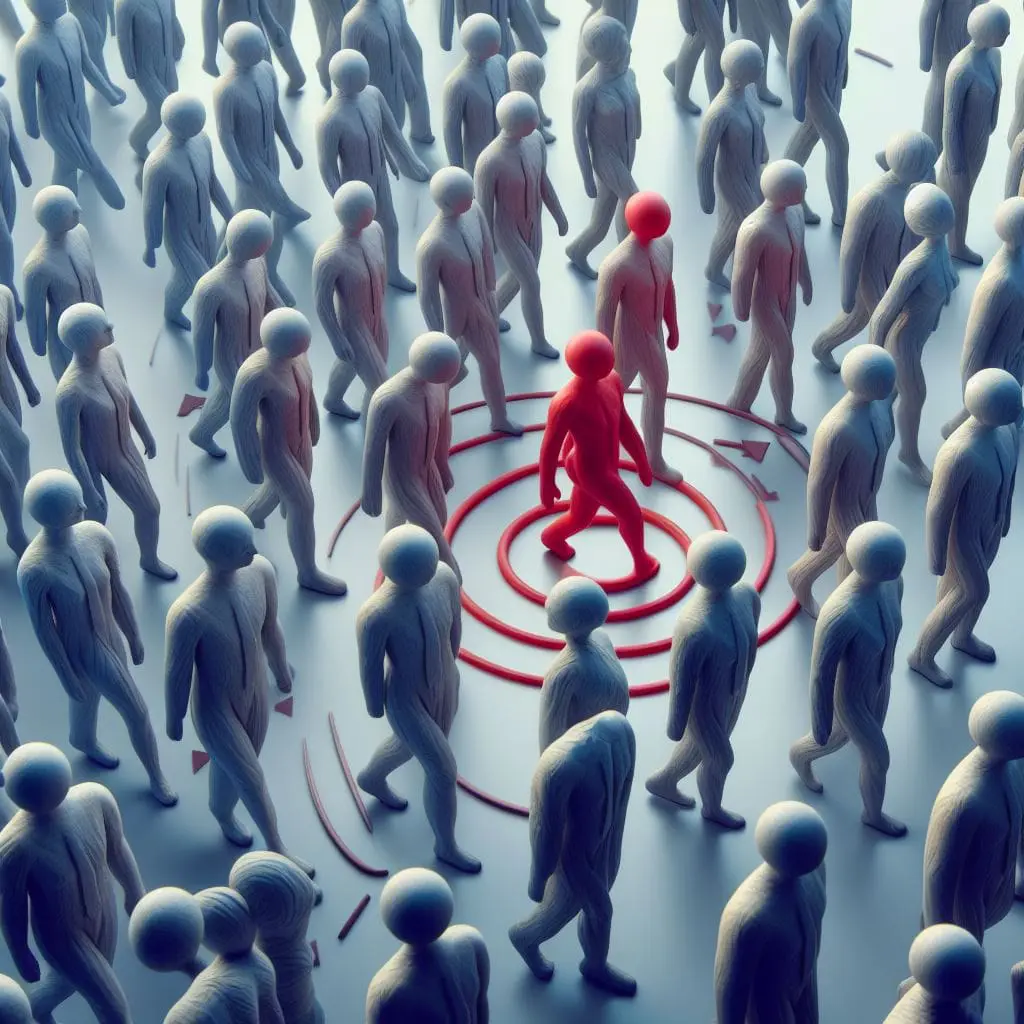
Regardless of the potential risks and rewards, the rise of the post-human age raises some important ethical and philosophical questions. What will it mean to be human in a world where biological and technological boundaries have become increasingly blurred? How will society adapt to the challenges and opportunities presented by these advancements? And what role will humans play in a world dominated by intelligent machines?
As we continue to push the boundaries of what is possible in fields such as artificial intelligence and biotechnology, it is important to consider the implications of living in a post-human age. While the idea of merging with machines may seem like a distant fantasy, it is becoming increasingly clear that the lines between humans and technology are becoming increasingly blurred. And as we look towards the future, it is essential that we grapple with the ethical, social, and philosophical implications of this brave new world.
Share this:

You Might Also Enjoy Reading