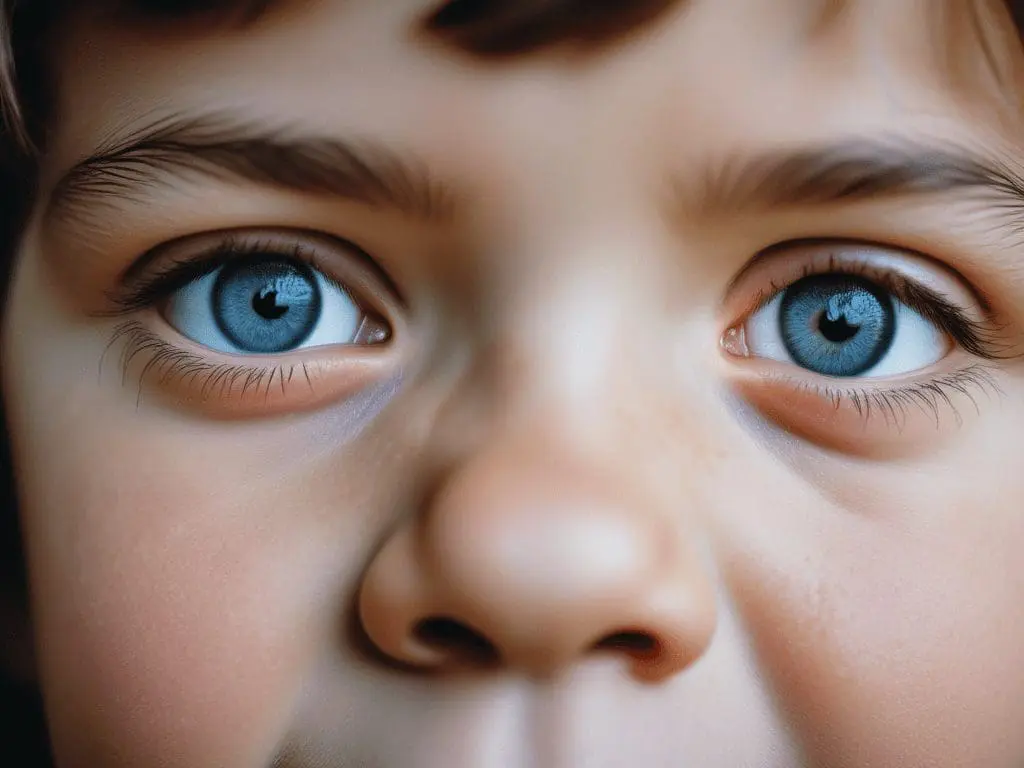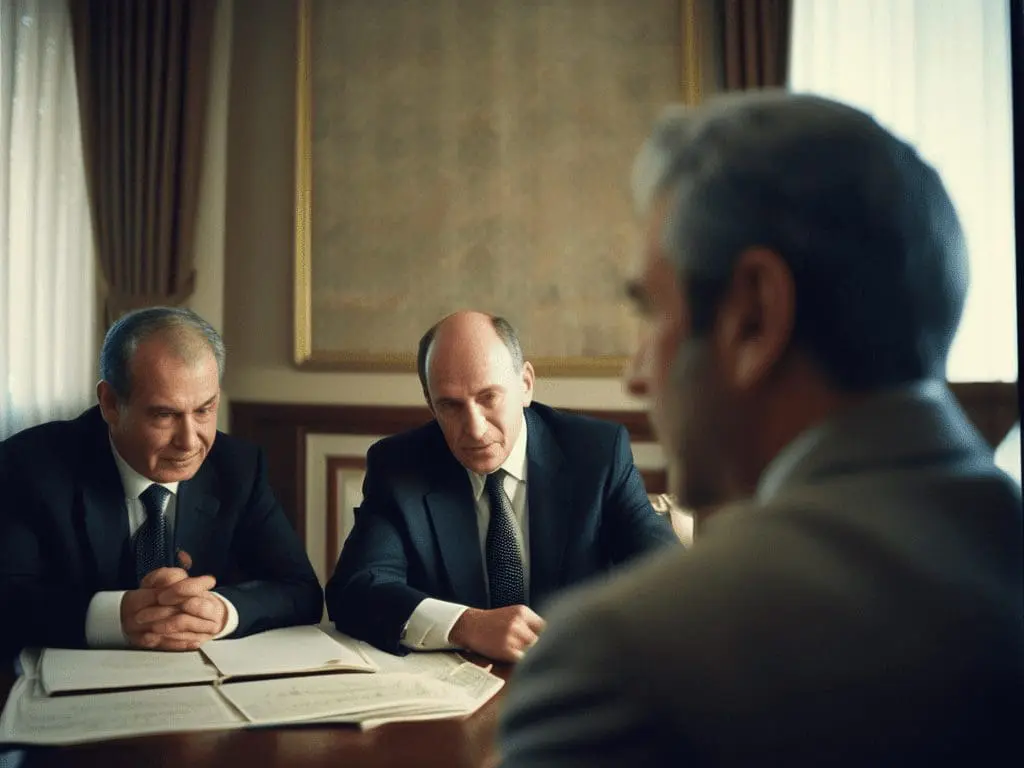

Nonverbal communication makes up a significant portion of our daily interactions with others. From subtle cues like a smile or a nod of the head to more expressive gestures like crossing arms or furrowing brows, our body language speaks volumes about our thoughts and emotions. This form of communication, known as body language, is a powerful tool that can help us better understand those around us and convey our own feelings and intentions without saying a word.
Mastering body language can greatly enhance our ability to communicate effectively with others. By paying attention to the way someone stands, moves, and uses their facial expressions, we can gain valuable insights into their emotions and intentions. For example, crossed arms and a furrowed brow may indicate defensiveness or scepticism, while open body posture and a relaxed facial expression may signal friendliness and receptiveness.
One of the key aspects of mastering body language is awareness. Paying attention to both our own body language and the body language of others can help us recognise subtle cues and adjust our own expressions and gestures accordingly. This awareness can not only improve our ability to understand and connect with others but also help us convey our own thoughts and emotions more effectively.
In addition to awareness, mirroring is another important aspect of mastering body language. Mirroring involves subtly mimicking the body language of the person you are communicating with, which can help build rapport and create a sense of connection. For example, if someone leans in while speaking, you may lean in as well to show attentiveness and engagement.
Practising good body language can also help enhance your overall communication skills. By maintaining good posture, making eye contact, and using appropriate facial expressions and gestures, you can convey confidence, credibility, and empathy in your interactions.
In conclusion, mastering body language is a valuable skill that can greatly enhance your ability to communicate effectively with others. By paying attention to nonverbal cues, practising awareness, and using mirroring techniques, you can improve your ability to understand and connect with those around you. So next time you find yourself in a conversation, pay attention to the unspoken communication happening all around you – you may be surprised by what you learn.
Share this:

You Might Also Enjoy Reading