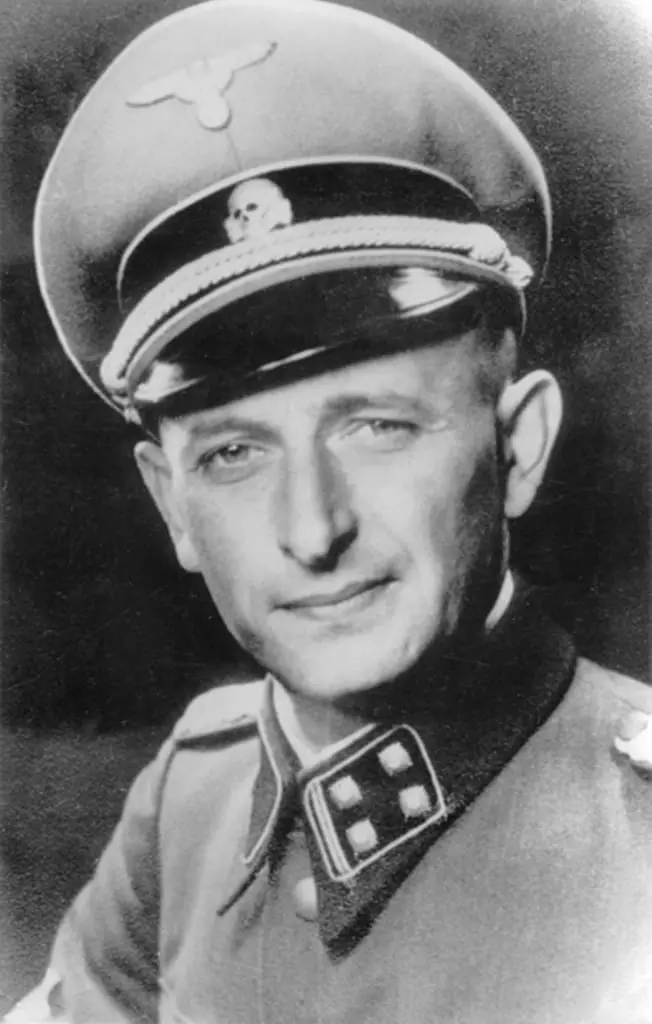

Adolf Eichmann’s name is synonymous with one of the darkest periods in human history – the Holocaust. As one of the key architects of the Final Solution, Eichmann’s role in orchestrating the systematic genocide of six million Jews is both horrifying and intriguing. Exploring the psychology behind Eichmann’s actions provides valuable insights into the workings of a mind capable of perpetrating such unspeakable atrocities.
The Banality of Evil
Hannah Arendt, a political theorist and philosopher, famously coined the phrase “the banality of evil” when referring to Adolf Eichmann. She argued that Eichmann’s demeanour and behaviour during his trial demonstrated how evil can exist in ordinary people without the presence of an inherent wickedness. Instead, Eichmann’s actions were rooted in his obedience to authority and his unwavering commitment to fulfilling his role within the Nazi regime.
Authoritarian Personality and Conformity
Eichmann’s personality was characterised by what psychologist Theodor W. Adorno referred to as the “authoritarian personality.” This personality type is often characterised by a deep-seated belief in unquestioned obedience to authority figures. Eichmann demonstrated a keen ability to follow orders, displaying unwavering loyalty to his superiors and meticulously executing their directives. This authoritarian mindset allowed him to compartmentalise his actions, maintaining a sense of detachment from the atrocities he was responsible for.
The Power of Conscience
Interestingly, Eichmann was not entirely devoid of conscience. During his trial, he often portrayed himself as a mere cog in the system, “just following orders.” He argued that he was not personally responsible for the genocide, as others held more significant power and made the ultimate decisions. This argument raises an ethical dilemma: to what extent can an individual hand over their moral responsibility to authority? Eichmann’s case reminds us of the immense power that authority figures and group dynamics can hold over an individual’s conscience.
The Role of Personal Motivations
While Adolf Eichmann claimed to be merely complying with orders, some historians argue that personal motivations played a role in his actions. Ambition, career advancement, and a deeply ingrained anti-Semitic ideology likely fuelled Eichmann’s zealous commitment to the Nazi cause. In this sense, Eichmann’s actions were not solely driven by a sense of duty but also by personal motivations, making the distinction between personal and institutional responsibility blurred.
Conclusion
Attempting to understand the psychology of Adolf Eichmann is a challenging and complex task. By delving into the depths of his obedience, conformity, and his ethical dilemmas, we can begin to unravel the psychological factors that contribute to the perpetration of evil acts. Eichmann serves as a haunting reminder that seemingly ordinary individuals, under the right circumstances, can actively participate in unimaginable acts of violence. Exploring the mindset of individuals like Eichmann can equip us with valuable knowledge to prevent such atrocities from recurring in the future.
Share this:

You Might Also Enjoy Reading