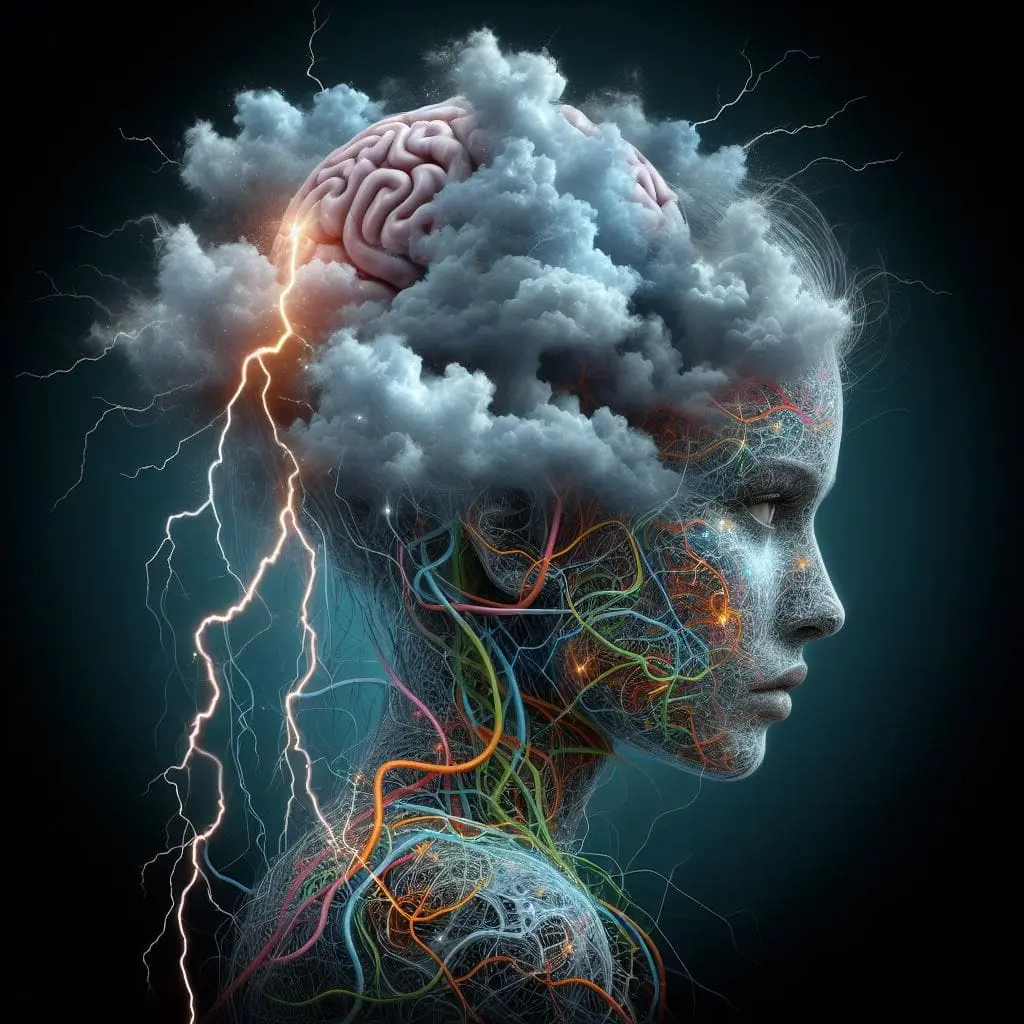
Paraphrenia, often overshadowed by its more famous sibling schizophrenia, is a perplexing mental condition that deserves more attention and understanding. Classified under the category of psychotic disorders, paraphrenia is characterised by delusions, particularly of a paranoid or grandiose nature. While relatively less prevalent than schizophrenia, paraphrenia can have a profound impact on individuals’ lives. In this blog post, we delve into the intricacies of paraphrenia, exploring its symptoms, causes, and available treatment options.
Symptoms
Paraphrenia is hallmarked by several symptoms that can significantly disrupt one’s perception of reality. Delusions are the primary feature of paraphrenia, with people experiencing strong beliefs that are often not grounded in reality. These delusions may involve themes of persecution, grandeur, religious figures, or fantastical events. Individuals with paraphrenia might feel that they possess special abilities or are targeted by unseen forces.
Interestingly, compared to schizophrenia, people with paraphrenia tend to have relatively preserved cognitive abilities and exhibit less disorganised speech or impaired social functioning. This characteristic has contributed to the challenges in differentiating between the two disorders consistently.
Causes
The exact cause of paraphrenia remains elusive, much like its more well-known sibling schizophrenia. However, researchers believe a combination of genetic, environmental, and neurobiological factors contributes to the development of this condition. Some studies suggest that abnormalities in brain structure and neurotransmitter imbalances may play a role, but further research is needed to establish a comprehensive understanding of its aetiology.
Treatment Options
As with most mental disorders, early diagnosis and intervention are crucial in the management of paraphrenia. Currently, treatment strategies for paraphrenia predominantly rely on antipsychotic medications to alleviate symptoms such as delusions and minimise the associated distress. However, as individual responses to medication may vary, healthcare professionals often need to tailor the treatment plan accordingly.
In addition to medication, therapy plays a vital role in helping individuals cope with their condition and enhance their quality of life. Cognitive-behavioural therapy (CBT), which focuses on modifying irrational thought patterns and improving coping mechanisms, is often employed to address the delusions characteristic of paraphrenia. Psychosocial interventions, including family therapies and support groups, can also assist in building a supportive network and fostering a sense of belonging.
Raising Awareness
While paraphrenia may not receive the widespread attention that schizophrenia does, it is crucial to understand and empathise with those navigating this lesser-known condition. Raising awareness can foster compassion, dismantle misconceptions, and encourage early recognition and help-seeking among affected individuals.
Conclusion
Paraphrenia may be an enigma in the field of mental health, but it affects real people who deserve understanding and support. By shedding light on this complex disorder, we take a significant step toward dispelling stigma and driving more research. Let us strive for a world where all mental health conditions, including paraphrenia, receive the attention they deserve, and individuals can find solace in a compassionate society.
Share this:

You Might Also Enjoy Reading