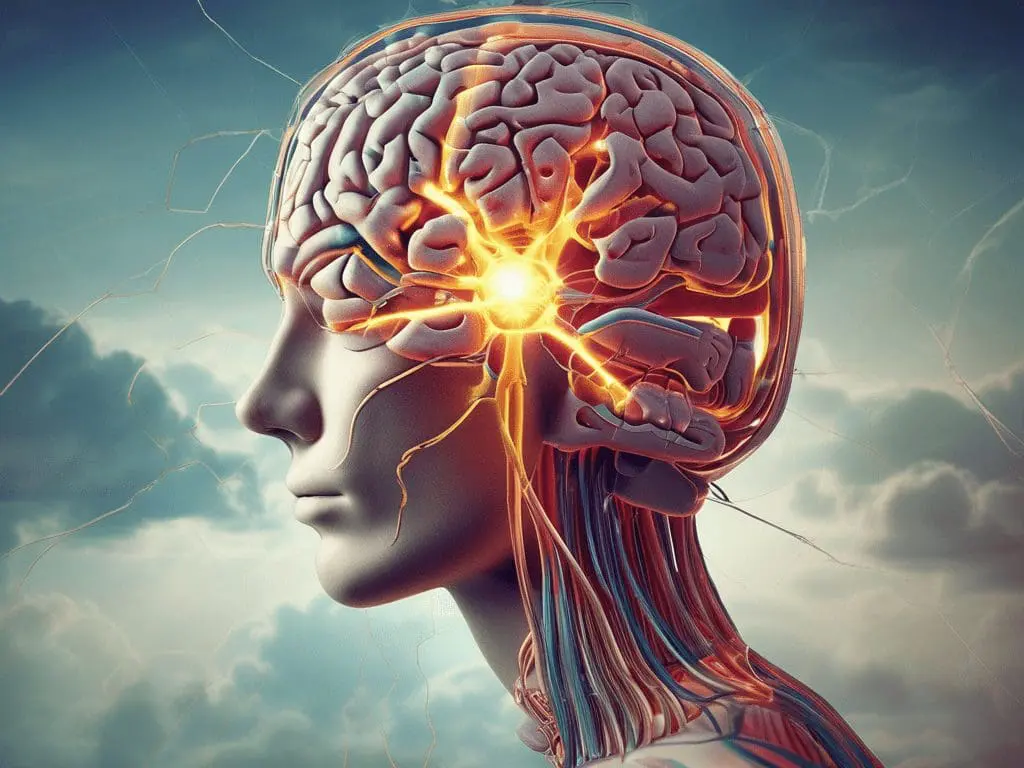
Serotonin is a neurotransmitter that plays a crucial role in our overall well-being. It is often referred to as the “happy hormone” because of its ability to regulate mood, sleep, appetite, and even cognitive functions. However, when serotonin levels drop below normal, it can have a significant impact on our mental and physical health. In this blog post, we will explore the effects of reduced serotonin levels and understand how it can affect our daily lives.
One of the most prominent effects of reduced serotonin levels is the impact on mood. Serotonin helps to regulate our emotions and promotes feelings of happiness and contentment. When serotonin levels are low, individuals may experience persistent feelings of sadness, irritability, and even depression. They may also find it challenging to manage stress and cope with everyday challenges.
Sleep disturbances are also a common consequence of reduced serotonin levels. Serotonin is involved in the regulation of sleep-wake cycles, and a decrease in its levels can lead to insomnia or disturbed sleep patterns. Lack of quality sleep can further exacerbate the negative impact on mood, leading to a vicious cycle of poor mental health.
Furthermore, reduced serotonin levels can affect appetite and eating behaviours. Serotonin plays a role in regulating hunger and satiety signals, and low levels may lead to an increased appetite and cravings, particularly for carbohydrates. This can contribute to weight gain, which can further impact self-esteem and overall mental well-being.
Cognitive functions, such as memory, attention, and decision-making, can also be affected by reduced serotonin levels. Studies have shown that serotonin plays a crucial role in these cognitive processes, and its decline can lead to difficulties in concentration, memory retention, and problem-solving abilities.
In addition to mental health, reduced serotonin levels can also impact physical health. Serotonin is known to regulate various bodily functions, including digestion and cardiovascular health. Changes in serotonin levels may lead to gastrointestinal issues such as diarrhoea, constipation, or irritable bowel syndrome. It can also affect blood pressure and increase the risk of heart diseases.
So, what can be done to combat reduced serotonin levels? Firstly, it’s important to seek professional help if you suspect that your serotonin levels are low, as they can determine the underlying cause and prescribe appropriate treatment options. In many cases, medications known as selective serotonin reuptake inhibitors (SSRIs) may be prescribed to increase serotonin levels in the brain. However, lifestyle changes such as regular exercise, a balanced diet, and stress management techniques like meditation or therapy can also help regulate serotonin levels naturally.
In conclusion, reduced serotonin levels can have a significant impact on our mental and physical health, affecting mood, sleep, appetite, cognition, and overall well-being. Recognising the signs and symptoms of low serotonin and seeking proper treatment is crucial for restoring equilibrium and improving quality of life. Additionally, adopting healthy lifestyle strategies can play a vital role in boosting serotonin levels naturally and promoting long-term mental wellness.
Share this:

You Might Also Enjoy Reading