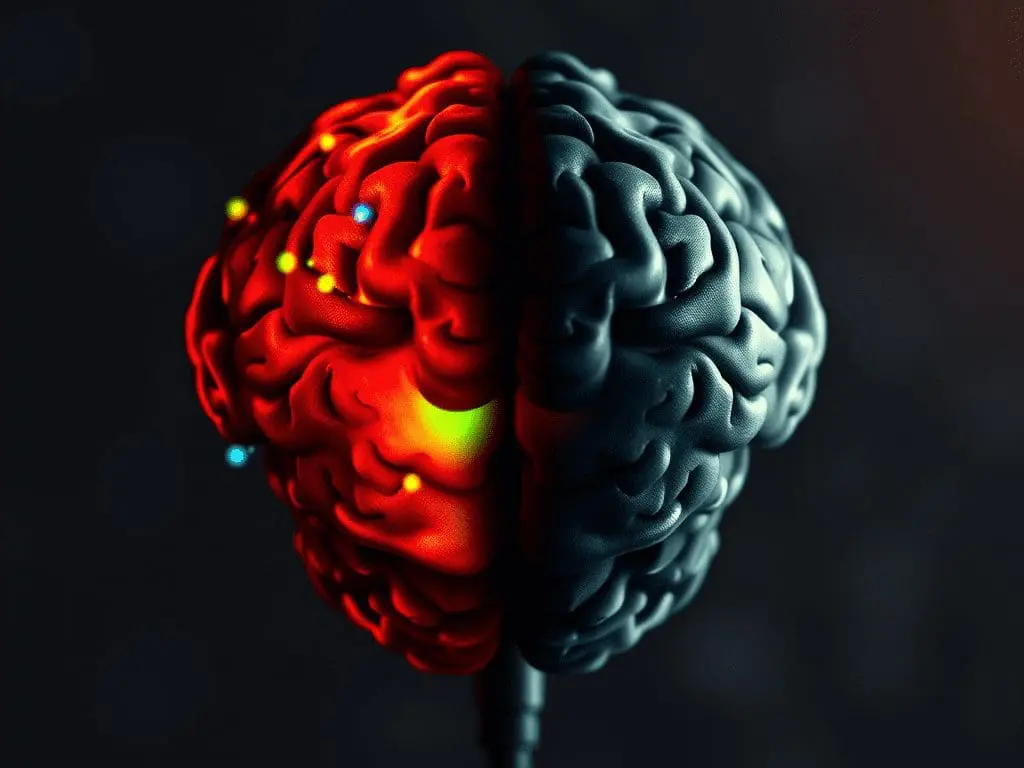
The human brain is an intricate organ that controls every aspect of our lives, including our thoughts, emotions, and actions. Within this remarkable system, the frontal lobes play a critical role in executing cognitive functions crucial for decision-making, problem-solving, and behaviour regulation. However, when these frontal executive abilities become impaired or weakened, it can lead to a condition known as frontal executive deficits. In this blog post, we will delve into this fascinating topic, examining the causes, symptoms, and potential treatments associated with frontal executive deficits.
Understanding Frontal Executive Deficits
Frontal executive deficits refer to a set of cognitive and behavioural impairments caused by damage or dysfunction in the frontal lobes of the brain. The frontal lobes, located at the front of the cerebral cortex behind the forehead, are responsible for higher-level cognitive functions, often referred to as executive functions. These functions include working memory, attention, planning, decision-making, impulse control, and social behaviour regulation.
Causes and Risk Factors
Frontal executive deficits can be caused by a variety of factors, such as traumatic brain injury, stroke, tumours, infections, neurodegenerative diseases (like Alzheimer’s disease), or developmental disorders (like attention deficit hyperactivity disorder – ADHD). Additionally, chronic drug and alcohol abuse can also lead to these deficits. Common risk factors may include advancing age, genetic predisposition, and certain medical conditions affecting brain function.
Symptoms and Effects
Individuals with frontal executive deficits may experience various cognitive, emotional, and behavioural symptoms. These can manifest as difficulties with planning and organising tasks, problems with attention and concentration, impaired decision-making abilities, reduced inhibitory control, emotional instability, impulsivity, decreased empathy, and challenges in social interactions. These symptoms can significantly impact daily life, professional performance, and personal relationships, making it crucial to identify and address them appropriately.
Treatment and Management
Treatment for frontal executive deficits depends on the underlying cause and severity of the impairment. In some cases, addressing the primary condition or injury through medications, surgeries, or rehabilitation therapies might help alleviate the deficits. Additionally, cognitive rehabilitation programs, which focus on compensatory strategies and skill-building exercises, can aid in restoring some executive functions. Behavioural interventions, including therapeutic techniques, counselling, and support groups, can also assist in managing emotional and behavioural symptoms associated with frontal executive deficits.
Strategies for Coping and Support
Alongside professional treatments, individuals with frontal executive deficits can adopt certain strategies to cope with daily challenges. These may include breaking tasks into smaller, more manageable steps, using visual aids and reminders, maintaining a structured routine, practising stress management techniques, seeking social support, and communicating openly with family, friends, and employers about their difficulties. Additionally, engaging in mentally stimulating activities, such as puzzles, reading, or learning new skills, can help maintain cognitive function and enhance overall well-being.
Conclusion
Frontal executive deficits represent a significant challenge for individuals affected by damage or dysfunction in the frontal lobes. Understanding the causes, symptoms, and treatment options is crucial in providing appropriate support and intervention. With advancements in medical science and rehabilitation techniques, there is hope for improving and managing these deficits. By nurturing resilience, adopting coping strategies, and fostering a supportive environment, individuals with frontal executive deficits can lead fulfilling lives, utilising their strengths while mitigating the impact of these cognitive impairments.
Share this:

You Might Also Enjoy Reading