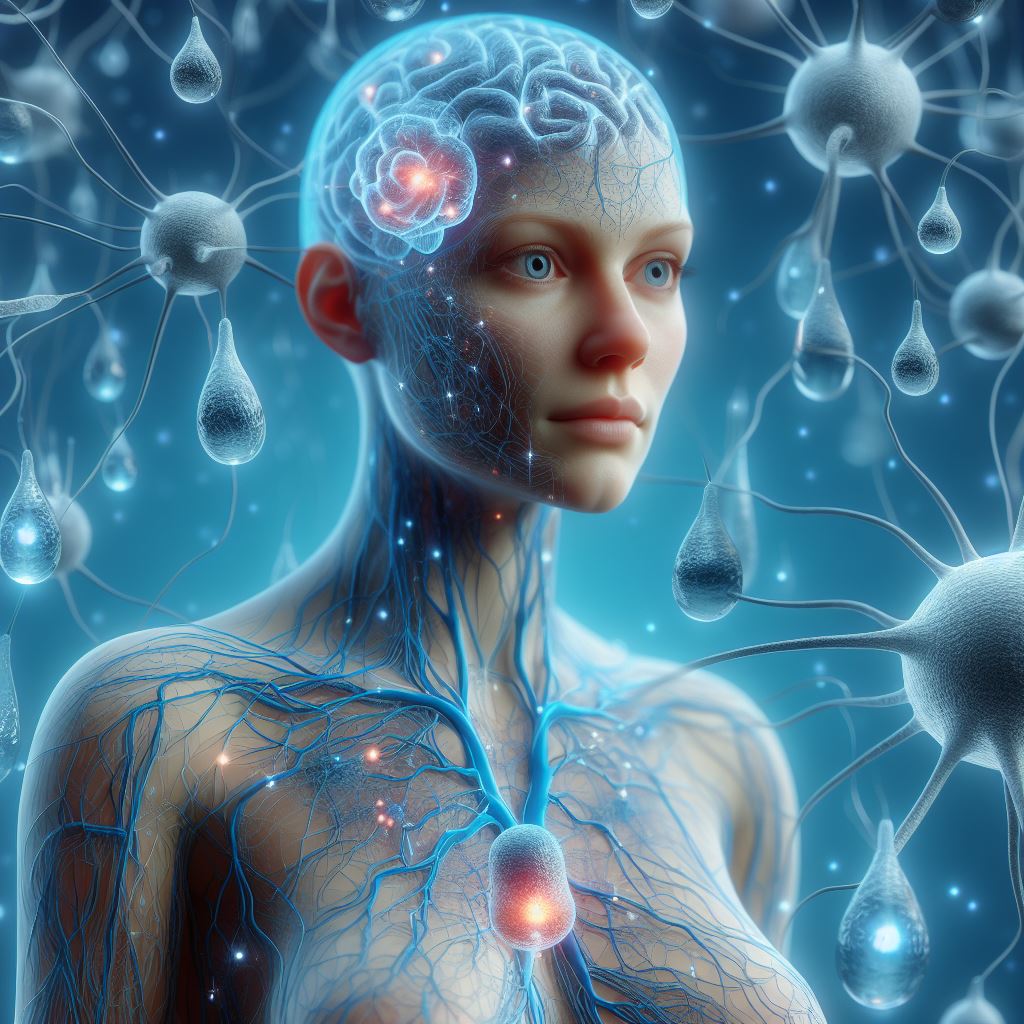

Have you ever wondered how our thoughts and emotions affect our bodies? Or how our hormones can impact our mental state? If you’re curious about the intricate connection between our mind, brain, and hormones, then psychoneuroendocrinology is the field of study that you need to explore.
Psychoneuroendocrinology, often referred to as PNE, is an interdisciplinary scientific field that combines principles of psychology, neuroscience, and endocrinology to examine the bidirectional relationship between the brain, hormones, and behaviour. By merging these disciplines, researchers aim to unravel the complex mechanisms behind the interplay of our thoughts, emotions, and hormonal responses.
To better understand psychoneuroendocrinology, let’s break down its three key pillars:
1. Psychology: Psychology focuses on the study of behaviour, cognition, and emotions. In PNE, psychologists use various methods like surveys, questionnaires, and behavioural experiments to investigate how psychological factors (e.g., stress, perception, and personality traits) influence the release of hormones in the body. They also explore how these hormonal changes subsequently impact our mental state and behaviour.
2. Neuroscience: Neuroscience investigates the brain’s electrical and chemical functions and their correlation with behaviour and cognition. Neuroscientists working in psychoneuroendocrinology aim to examine the brain structures and circuits involved in the regulation of hormones. They delve into how the brain receives, processes, and responds to hormonal signals, shedding light on the neural pathways that contribute to emotional and behavioural changes.
3. Endocrinology: Endocrinology is the study of glands and hormones produced by the body. In psychoneuroendocrinology, endocrinologists are particularly interested in the role of hormones in mental processes and behaviour. They investigate how the brain’s signals are conveyed to the endocrine glands, leading to the release of various hormones such as cortisol (the stress hormone), oxytocin (related to bonding and social connections), and serotonin (affecting mood).
With its comprehensive approach, PNE has yielded remarkable discoveries and implications across a wide range of topics. Let’s explore a few fascinating areas of research within psychoneuroendocrinology:
1. Stress and the HPA Axis: The hypothalamic-pituitary-adrenal (HPA) axis is one of the vital systems involved in the body’s stress response. PNE researchers have extensively studied how stressors, such as challenging life events or chronic stress, can impact the HPA axis, leading to prolonged activation and increased cortisol levels. They have observed associations between HPA-axis dysregulation, psychological disorders like depression and anxiety, and even physical health conditions.
2. Hormones and Social Behaviour: Psychoneuroendocrinologists have examined how hormones influence our social behaviours and interactions. For instance, oxytocin has been linked to bonding, trust, and empathy, while testosterone is associated with dominance and aggression. These studies provide valuable insights into the neurochemical basis of human behaviours and help us understand how hormonal imbalances may contribute to behavioural disorders.
3. Hormonal Changes Throughout the Lifespan: PNE researchers have investigated the impact of hormonal changes during critical periods of life, such as puberty, pregnancy, and menopause. These hormonal fluctuations can greatly affect mental well-being, cognitive functions, and overall quality of life. By understanding the underlying mechanisms, we can develop strategies to support individuals during these transitions and ensure optimal mental and physical health.
Final Thoughts
Psychoneuroendocrinology is a captivating field that bridges psychology, neuroscience, and endocrinology to unravel the intricate dance between our thoughts, emotions, hormones, and behaviour. Through their work, researchers strive to shine a light on the complex mechanisms that underlie our mental states and ultimately contribute to advancements in mental health treatments.
As this interdisciplinary field continues to grow, we can expect even more breakthroughs in understanding the links between our mind, brain, and hormones. By shedding light on the hidden connections, psychoneuroendocrinology paves the way for new therapies, personalised interventions, and a deeper appreciation for the reciprocal effects of our thoughts and hormones on our wellbeing.
Share this:

You Might Also Enjoy Reading