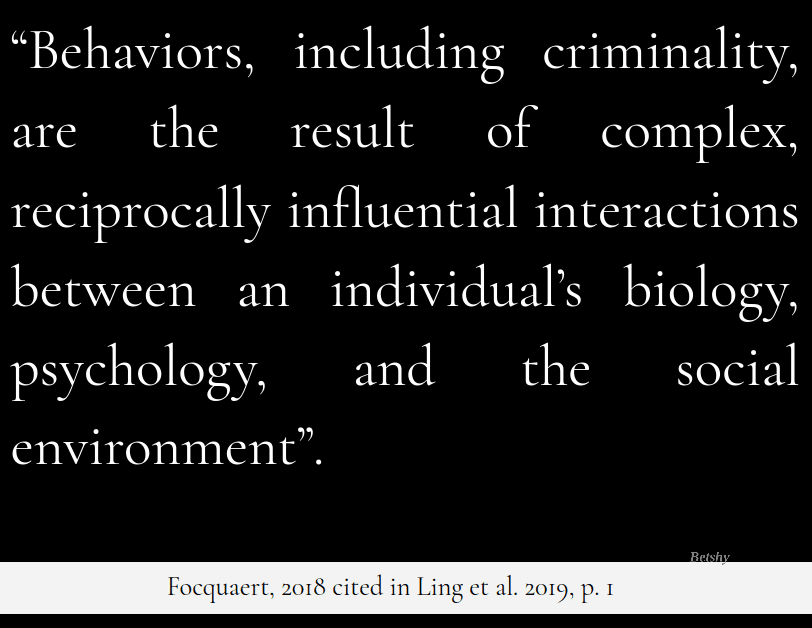
Have you ever wondered why some individuals seem indifferent to the emotions and well-being of others? From selfishness to a lack of empathy, callousness is a complex trait that can be challenging to untangle. In this blog post, we will delve into the factors that contribute to callousness, shedding light on this intriguing aspect of human behaviour.
1. Psychological Factors
Callousness often arises due to various psychological factors that influence a person’s perception and emotions. Individuals with antisocial personality disorder, for instance, may exhibit callous traits, showing little regard for rules, norms, or the feelings of others. They may possess a shallow affect and struggle to empathise with those around them. Furthermore, emotional detachment may be a coping mechanism for individuals who have experienced trauma or abuse, as they create a protective barrier to shield themselves from further pain.
2. Neurological Factors
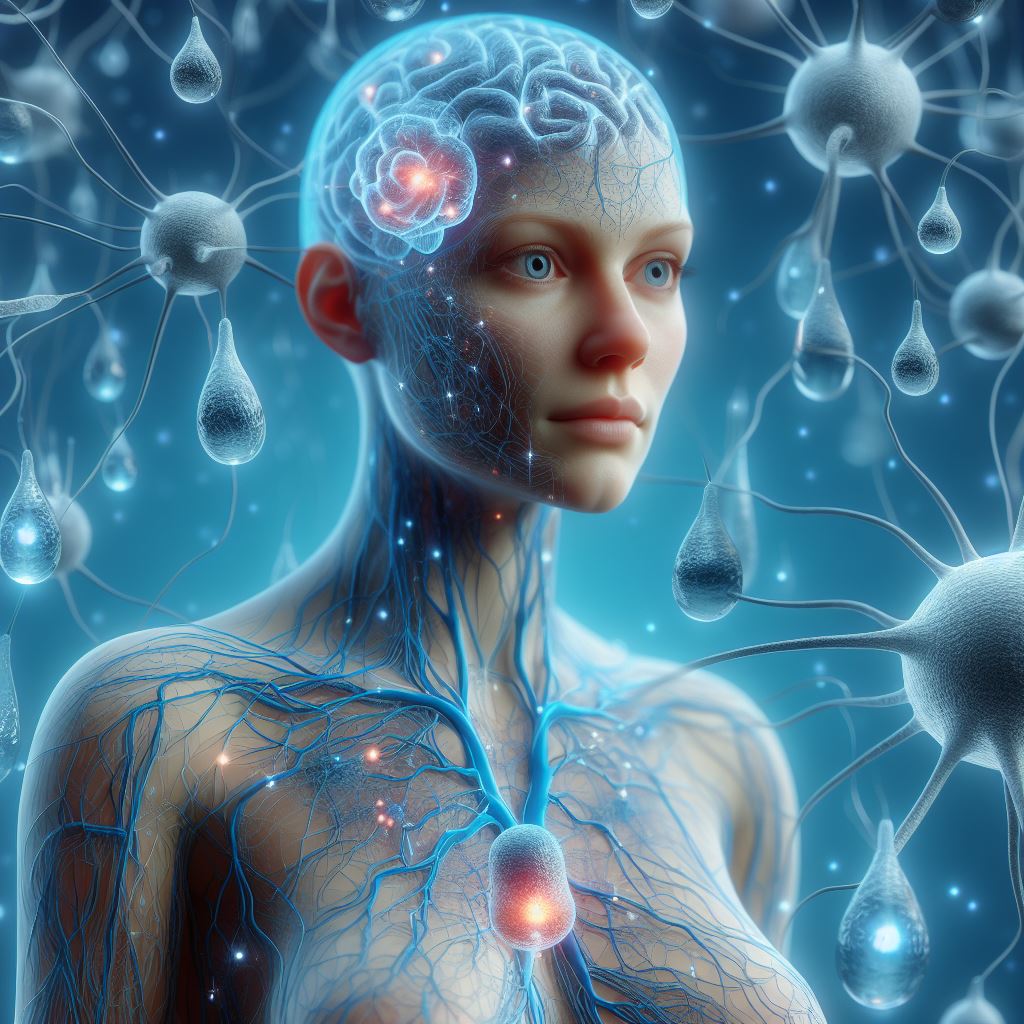
Recent research has suggested that certain brain structures and functions can contribute to callousness. Some studies have found abnormal development in brain regions associated with empathy and emotional processing in individuals prone to callous behaviour. For example, reduced activity in the amygdala, the brain region responsible for generating emotional responses, may lead to a diminished capacity for empathy. The combination of genetic predispositions and environmental factors can influence brain development, potentially shaping callous behaviour.
3. Upbringing and Environment
Environmental factors play a crucial role in shaping an individual’s personality and behaviour, including callousness. Childhood experiences, upbringing, and environmental influences can significantly impact a person’s emotional development. Neglected or abusive environments can hinder the formation of empathy and compassion, leading to callous behaviour patterns. Similarly, exposure to violence or witnessing poor emotional regulation in early life may contribute to the emotional detachment observed in callous individuals.
4. Social Conditioning
The social and cultural environment in which someone grows up can also influence their inclination towards callous behaviour. Societies that prioritise individual success, material gain, and competition over collaboration and community may foster callousness in some individuals. The media, including movies and video games that glorify violence and lack of emotional connection, can also contribute to the normalisation of callous behaviour.
5. Coping Mechanisms
In some cases, callousness can be seen as a self-defence mechanism against emotional vulnerability. People who have experienced repeated disappointments, heartbreaks, or betrayals may develop a shield of emotional detachment as a way to avoid future pain. This can result in a tangle of emotions, with individuals finding it challenging to be vulnerable or form deep connections with others.
Conclusion
Understanding callousness requires an exploration of a multitude of factors, including psychological, neurological, environmental, and social conditioning. It is essential to remember that callousness is not an inherently genetic or irreversible trait, but rather a complex behaviour that can be influenced and altered over time. By promoting empathy, emotional intelligence, and cultivating nurturing environments, we can help foster a greater sense of compassion and connection, thus reducing the prevalence of callousness in society.
Share this:

You Might Also Enjoy Reading