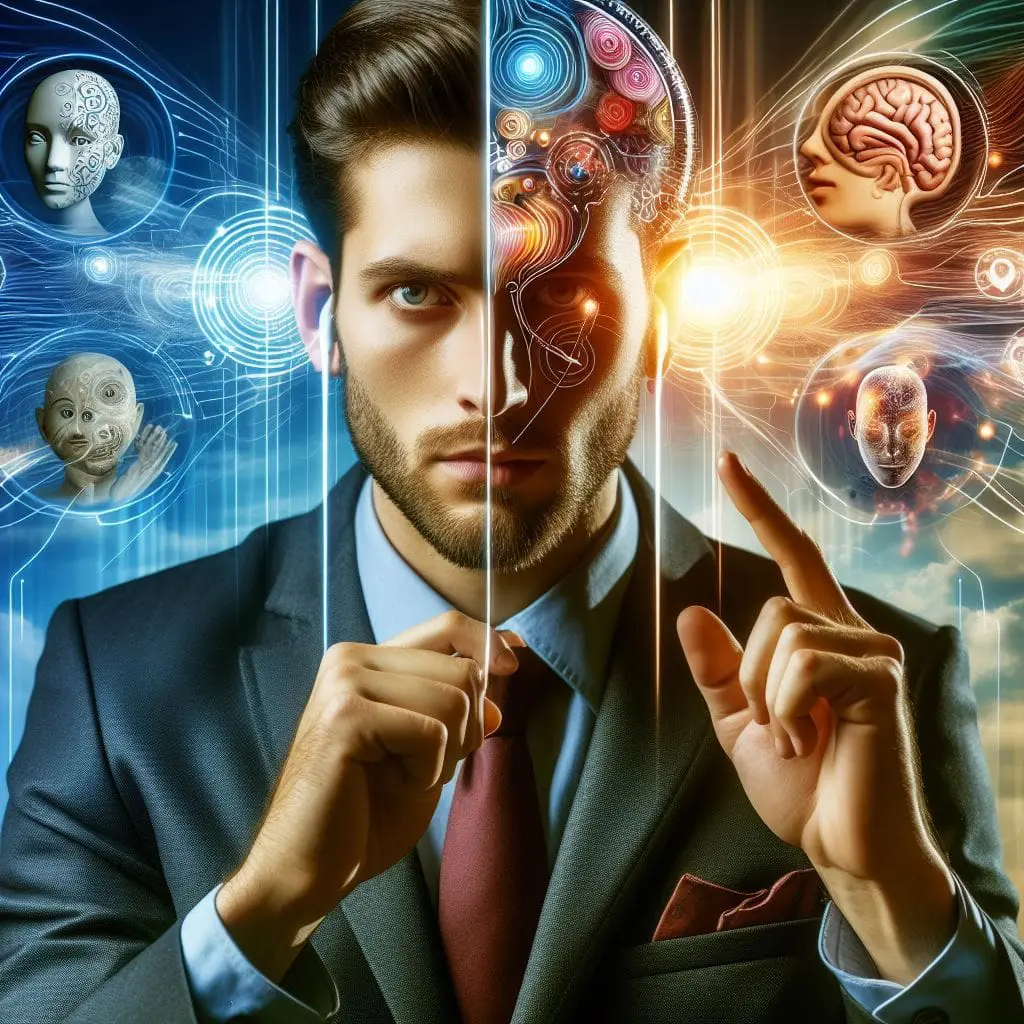

Love is universally regarded as one of the most powerful and profound human emotions. It has the ability to bring people together, ignite passion, and foster deep connections. However, the concept of love becomes more intricate when we delve into the minds of those diagnosed with psychopathy. Are psychopaths capable of experiencing love, or are they fundamentally devoid of this complex emotion? This blog post aims to explore this intriguing question and shed light on the enigmatic world of psychopathy.
Understanding Psychopathy
Before we navigate the territory of psychopaths and love, it’s vital to understand what psychopathy entails. Psychopathy is a personality disorder characterised by traits such as impulsivity, lack of empathy, manipulative tendencies, and shallow emotions. Contrary to popular belief, not all psychopaths are criminals or evil; many lead relatively ordinary lives, blending seamlessly into society.
Defining Love
To approach the subject accurately, we must establish a shared understanding of love. Love encompasses a broad spectrum of emotions, including affection, caring, attachment, trust, and an inclination to prioritise the well-being of the loved one. Love, in its true essence, involves an emotional bond and a genuine concern for the other person’s happiness.
Can Psychopaths Feel Love?
While psychopaths may experience a limited range of emotions compared to neurotypical individuals, it is essential to recognise that they are still human beings with their unique cognitive and emotional landscape. Although love manifests itself differently in psychopaths, there is evidence to suggest that they can experience a semblance of love paired with other emotions.
1. Rational love: Psychopaths are often highly intelligent and calculating individuals who might develop a cognitive or rational love for someone. They may appreciate the benefits of maintaining a close relationship, such as stability, social status, or personal gain, leading them to mimic love as a means to an end.
2. Possessive love: Psychopaths are notorious for their need to dominate and control others. They may falsely attribute their obsession or possessiveness as a form of love, using it as a means to manipulate and maintain power over their partners.
3. Self-love: Psychopaths are primarily driven by their own self-interest and personal gratification. They may engage in relationships and display an attachment to their partner as a way to fulfil their needs for validation, control, or even as a tool for their manipulation techniques.
The Debate
The question of whether psychopaths genuinely experience empathetic and altruistic love remains a topic of debate within both scientific and philosophical communities. While some argue that psychopaths are biologically or neurologically incapable of experiencing authentic love, others argue that their capacity to love is merely hindered due to their personality traits.
Quick Instructions for Anyone in a Relationship with a Psychopath
1. Understand psychopathy: Learn about the traits and characteristics associated with psychopathy.
2. Identify genuine love: Understand the difference between true love and superficial charm or manipulation.
3. Seek professional help: Consult with a mental health professional to gain insight into psychopathic tendencies and their impact on relationships.
4. Build empathy: Encourage the psychopath to develop empathy through therapy or interventions.
5. Establish communication and boundaries: Establish open and honest communication to create a foundation of trust and establish clear boundaries in the relationship.
6. Foster personal growth: Encourage personal growth and self-reflection to help the psychopath develop a capacity for love.
7. Patience and understanding: Be patient and understanding while navigating the challenges that may arise.
8. Evaluate progress: Continuously assess the relationship and individual progress to ensure it remains healthy and genuine.
Conclusion
Understanding love and psychopathy is a complex task that carries individual interpretations and perspectives. While it might seem challenging for psychopaths to experience the same depth of love as neurotypical individuals, it is essential to remember that love is a multifaceted emotion that can express itself in various ways. Ultimately, whether psychopaths are bound by their condition or capable of love remains a topic of ongoing exploration. Our perception of love should not be limited to the confines of diagnosis but should embrace the evolving understanding of human emotions.
Share this:

You Might Also Enjoy Reading