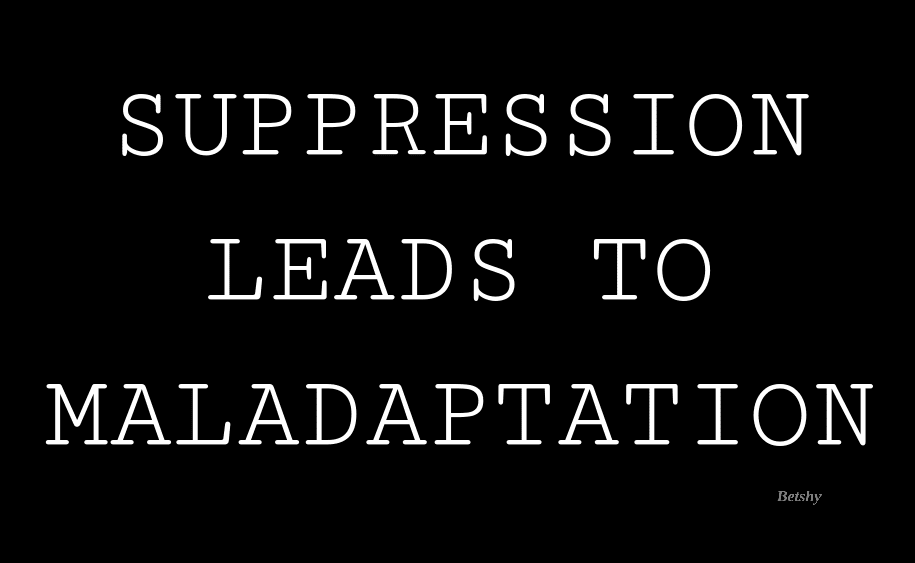


In our fast-paced and interconnected world, where our emotions are constantly exposed and tested, it is becoming increasingly common for individuals to experience emotional withdrawal. While it might sometimes be considered a necessary coping mechanism, emotional withdrawal poses several risks to our mental health and overall well-being. In this blog post, we will explore what emotional withdrawal entails and how we can navigate this behaviour to foster meaningful and fulfilling connections with others.
Understanding Emotional Withdrawal
Emotional withdrawal can be defined as a defensive mechanism, where individuals consciously or unconsciously distance themselves emotionally from others. It can manifest in various ways, such as avoiding intimate conversations, refusing emotional support, or detaching oneself from social activities. While occasional withdrawal can be a normal part of life, prolonged emotional withdrawal can sabotage relationships and personal growth, leading to feelings of isolation, loneliness, and depression.
Causes of Emotional Withdrawal
Emotional withdrawal can be triggered by a multitude of factors, including past traumas, fear of rejection, overwhelming stress, or even a desire to protect oneself from emotional pain. For instance, someone who has experienced betrayal or heartbreak may withdraw emotionally as a defence mechanism to avoid reliving the pain they experienced. Similarly, individuals facing chronic stress or anxiety may retreat emotionally as a means of self-preservation.
The Impact of Emotional Withdrawal
While emotional withdrawal may initially provide a sense of safety and control, it often brings unintended consequences. Relationship breakdowns, strained communication, and a lack of emotional intimacy can be direct outcomes of emotional withdrawal. Moreover, individuals who regularly practice emotional withdrawal may find it challenging to establish and maintain healthy connections, hindering personal growth and fulfilment.
Navigating Emotional Withdrawal
1. Self-reflection: Recognising our patterns of emotional withdrawal is the first step towards change. Identifying the triggers and understanding why we withdraw emotionally empowers us to address the underlying issues effectively.
2. Developing emotional intelligence: Building emotional intelligence allows us to understand and manage our own emotions, as well as empathise with others. By improving our emotional literacy, we enhance our ability to communicate openly and maintain emotional connections.
3. Seeking support: It’s essential to reach out for support when navigating emotional withdrawal. Speaking to trusted friends, family, or seeking professional guidance can provide us with fresh perspectives and the necessary tools to address our concerns.
4. Practising vulnerability: Embracing vulnerability can feel daunting, but it is the key to fostering authentic connections. By gradually opening up and sharing our emotions, we create an environment of trust, allowing others to reciprocate and build deeper connections with us.
5. Setting boundaries: While it is crucial to develop emotional connections, setting healthy boundaries is equally important. Being mindful of our emotional bandwidth and communicating our needs effectively helps prevent emotional exhaustion and burnout.
Conclusion
Emotional withdrawal may offer temporary respite from emotional pain, but in the long run, it hinders our growth and sabotages our relationships. By addressing the root causes behind this behaviour and actively working towards fostering emotional connections, we can build stronger, more fulfilling relationships and create a supportive network that promotes mental well-being. Remember, vulnerability is a strength that unlocks the true depth of human connection.
Share this:

You Might Also Enjoy Reading