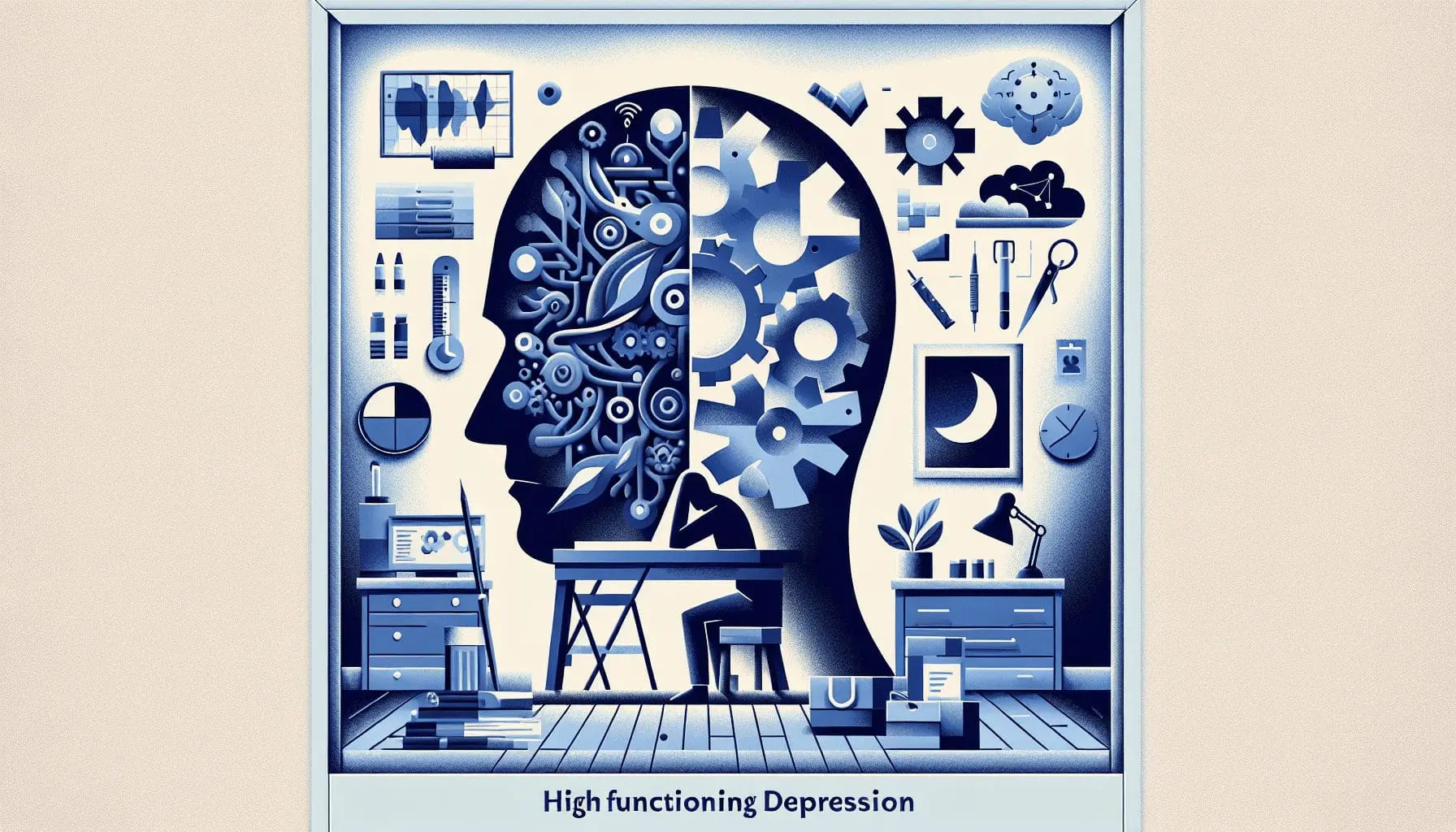
Sexual health is an essential element of overall well-being, yet its connection to mental health is often neglected or misunderstood. The intersection of sex and mental health encompasses a wide range of experiences and challenges that can profoundly impact individuals, relationships, and society as a whole. In this blog post, we delve into this often-unspoken connection, exploring how mental health influences sexual well-being and vice versa.
1. The Impact of Mental Health on Sexual Well-being
Living with mental health conditions such as depression, anxiety, or trauma can significantly affect an individual’s sexual well-being. Feelings of low self-esteem, lack of energy, diminished libido, and difficulties with intimacy are just a few examples of how mental health challenges can manifest in the sexual realm. Acknowledging and addressing these issues is crucial to ensuring a healthy and satisfying sex life.
2. The Role of Sex in Mental Health
Likewise, a fulfilling sex life can positively contribute to mental health. Sexual intimacy can bring joy, stress relief, and a sense of connection with our partners. Engaging in regular sexual activities is known to release endorphins, the “feel-good” hormones that help reduce stress and feelings of anxiety. It is important to recognise the positive impact that sexual experiences can have on overall well-being, even for those facing mental health struggles.
3. The Stigma Surrounding Sex and Mental Health
Sadly, the intersection of sex and mental health often carries a heavy burden of societal stigma. Discussions surrounding these topics may be met with discomfort, judgement, or even silence. This stigma can exacerbate feelings of shame or isolation, discouraging individuals from seeking help or having open dialogues with their healthcare providers or partners. We must strive to break these stereotypes and foster an environment where sex and mental health discussions are approached with empathy and understanding.
4. Seeking Support
If you or a loved one are grappling with the intersection of sex and mental health, it is vital to seek out appropriate support. Mental health professionals, such as therapists or psychologists, are equipped to address both mental health concerns and sexual well-being, providing guidance and promoting self-acceptance. Additionally, speaking openly with a trusted partner, friend, or support group about these challenges can provide a valuable network of understanding and empathy.
5. Promoting Holistic Approaches
Society must embrace a more holistic approach to sexual and mental health. Investing in comprehensive sex education programs that address the emotional, psychological, and physical aspects of sex can empower individuals to develop healthier attitudes and behaviours. It is also crucial for healthcare providers to engage in open and non-judgemental conversations with their patients, encouraging discussions about sex and mental health as integral components of overall wellness.
Conclusion
The intersection of sex and mental health is a complex and nuanced aspect of human experiences and relationships. Acknowledging and addressing this connection is vital for fostering healthier attitudes towards sexuality, promoting self-acceptance, and supporting individuals facing mental health issues. Breaking the silence surrounding this intersection allows for open conversations, reduces stigma, and ultimately fosters an environment of compassion and understanding in our collective journey towards improved sexual and mental well-being.
Share this:

You Might Also Enjoy Reading