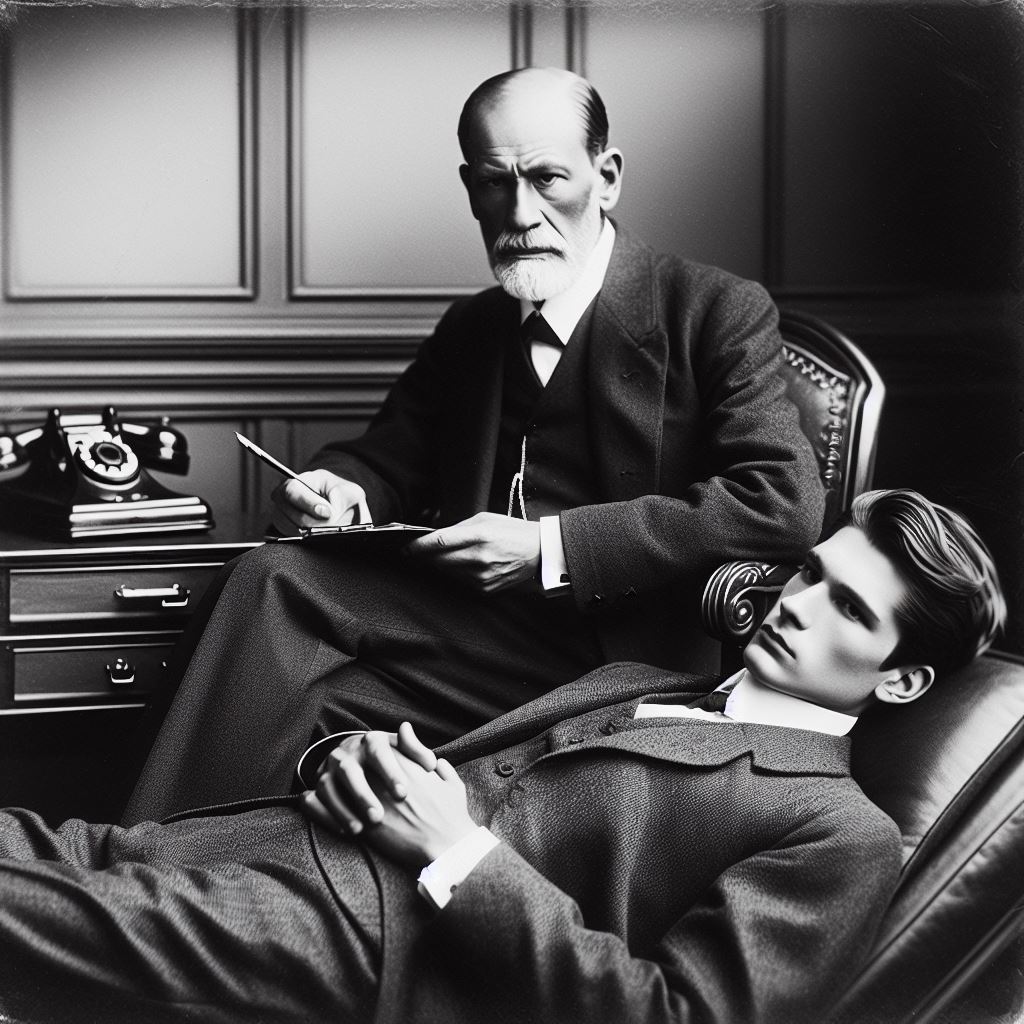
Psychoanalytic theory, initially developed by Sigmund Freud, has profoundly influenced our understanding of the human mind and our psyche. Despite its longstanding popularity and widespread recognition, this theory has not been without its fair share of controversies. Over the years, various aspects of psychoanalytic theory have sparked debates among psychologists, psychiatrists, and researchers, challenging its validity and raising intriguing questions about the nature of the human mind.
One of the primary controversies surrounding psychoanalytic theory is its lack of empirical evidence. Many critics argue that the theory is fundamentally based on subjective interpretations without proper scientific validation. Unlike other branches of psychology, psychoanalysis relies heavily on case studies and introspective observations, making it difficult to objectively test and replicate its findings. Critics suggest that psychoanalysis is closer to a philosophical or metaphysical discourse than a scientific theory due to this lack of empirical support.
Moreover, psychoanalytic concepts, such as the id, ego, and superego, have faced scrutiny due to their elusive nature. Critics argue that these constructs cannot be objectively observed or measured, making them difficult to quantify or define in an empirically rigorous manner. While psychoanalysis has provided invaluable insights into unconscious processes and motivations, some researchers contend that these concepts are too abstract and imprecise to be scientifically useful.
Another major controversy within psychoanalytic theory pertains to the role of sexuality and unconscious desires. Freud’s emphasis on the significance of sexual and aggressive drives as the primary determinants of our behaviour triggered substantial controversy during his time and continues to be a subject of debate. Some critics argue that this focus on sexual instincts overlooks other psychological factors, such as social and cultural influences. Additionally, the claim that early childhood experiences shape an individual’s entire development has been contested by those who highlight the importance of other environmental factors and individual agency.
Psychoanalytic theory has also faced scepticism regarding its therapeutic efficacy. Critics argue that the lengthy and costly nature of traditional psychoanalysis, involving years of sessions and daily reflections, might not be the most effective approach for all individuals. They argue that more focused and time-limited therapies, such as cognitive-behavioural interventions, can provide quicker and equally successful outcomes without delving into deep unconscious conflicts.
Despite these controversies, psychoanalytic theory and its applications have continued to evolve. Contemporary psychoanalysis incorporates new interdisciplinary insights from fields such as neuroscience, attachment theory, and developmental psychology. This integration aims to address some of the criticisms surrounding psychoanalysis and bridge the gap between theory and empirical research.
In conclusion, psychoanalytic theory has been met with criticism and controversy throughout its existence. The lack of empirical evidence, abstract constructs, focus on sexuality, and therapeutic efficacy are among the key points of contention. However, it is important to recognise that controversies stimulate intellectual discourse and drive progress. By actively engaging in debates surrounding psychoanalytic theory, researchers and practitioners open avenues for refinement and innovation. The ongoing evolution of psychoanalysis demonstrates its enduring relevance and potential to contribute to our understanding of the complexity of the human mind.
Share this:

You Might Also Enjoy Reading