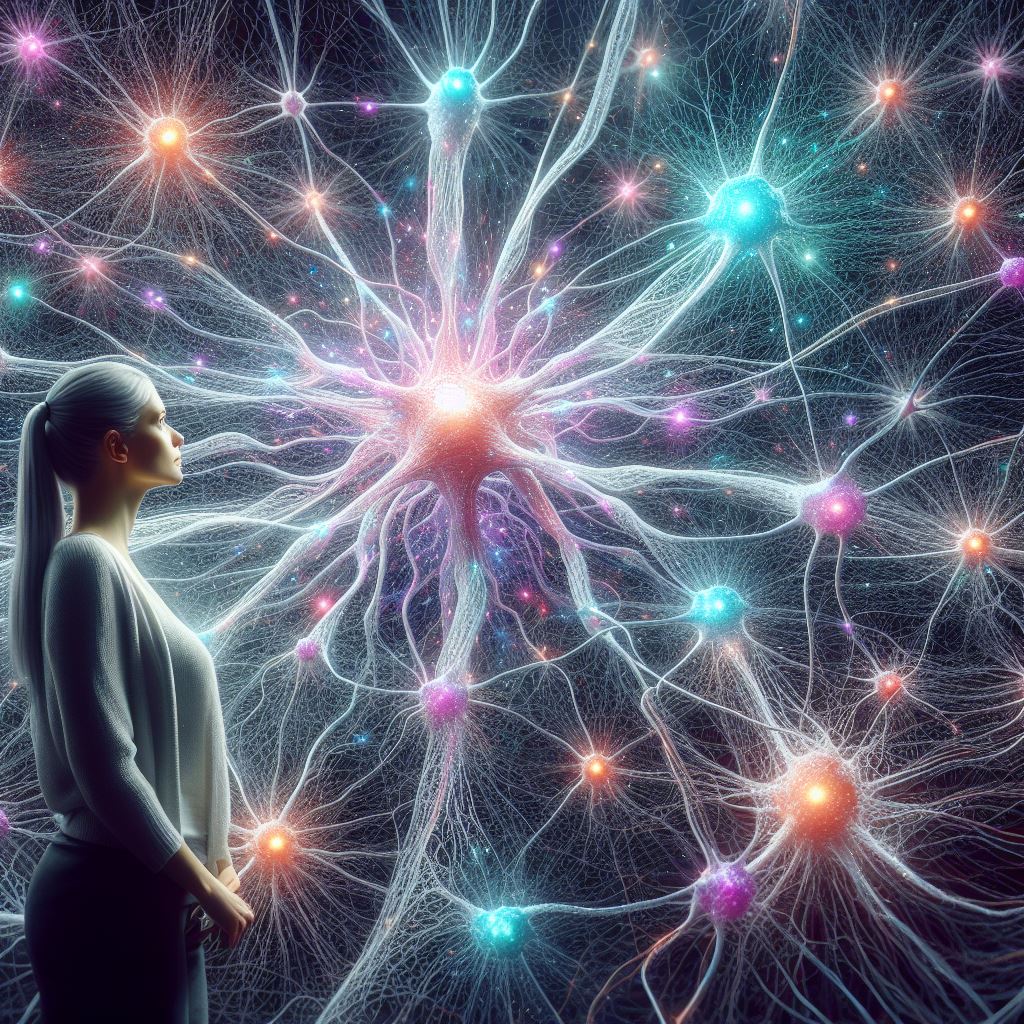
In recent years, the field of neuropsychoanalysis has emerged, bridging the gap between neuroscience and psychoanalysis. This interdisciplinary approach combines the insights from the two disciplines, offering a deeper understanding of the human mind and its underlying processes. In this blog post, we will explore some key concepts of neuropsychoanalysis and how they contribute to our understanding of the complexities of the human mind.
Key Concepts
1. Neuroplasticity: One crucial concept in neuropsychoanalysis is neuroplasticity, which refers to the brain’s ability to change and reorganise itself throughout a person’s lifespan. This concept challenges the long-standing notion that the brain’s development is fixed in early childhood. Understanding neuroplasticity allows us to appreciate the brain’s capacity to adapt, learn, and change in response to various experiences, including therapeutic interventions.
2. Unconscious processes: Another important concept in neuropsychoanalysis is the exploration of unconscious processes. While psychoanalysis has long emphasised the role of the unconscious, neuropsychoanalysis investigates how the neural mechanisms and structures contribute to unconscious mental states. By studying brain imaging techniques and neuropsychological experiments, researchers can uncover the neural correlates of unconscious thoughts, memories, and emotions, shedding light on the inner workings of the mind.
3. Emotional regulation: The ability to regulate emotions plays a crucial role in our overall well-being. Neuropsychoanalysis delves into the neural circuitry involved in emotional regulation. By studying the connections between the prefrontal cortex, limbic system, and other regions of the brain, researchers can understand how emotional experiences shape our perceptions, behaviours, and mental health. This knowledge can inform therapeutic interventions aimed at improving emotional regulation skills.
4. Attachment theory: Attachment theory, originally proposed by psychoanalyst John Bowlby, examines the bond between individuals and their caregivers. Neuropsychoanalysis builds on this concept by investigating the neural mechanisms that underlie attachment and the development of interpersonal relationships. By studying brain regions involved in social connection and bonding, we can gain insights into the impact of early experiences and relationships on our social and emotional development.
5. Psychotherapy and change: Finally, neuropsychoanalysis provides valuable insights into the process of psychotherapy and personal transformation. By studying the impact of psychotherapeutic interventions on the brain, researchers can explain how therapeutic practices promote change at both the cognitive and emotional levels. This knowledge opens up new possibilities for tailoring treatment approaches and optimising therapeutic outcomes.
Conclusion
In conclusion, neuropsychoanalysis represents an exciting frontier in the study of the human mind, blending the rich insights of psychoanalysis with the scientific advancements of neuroscience. By integrating these disciplines, we gain a deeper understanding of how our brains shape our behaviours, emotions, and experiences. As research continues to unravel the mysteries of the brain, further insights from neuropsychoanalysis will undoubtedly transform our understanding of mental health, personal growth, and psychotherapy.
Share this:

You Might Also Enjoy Reading