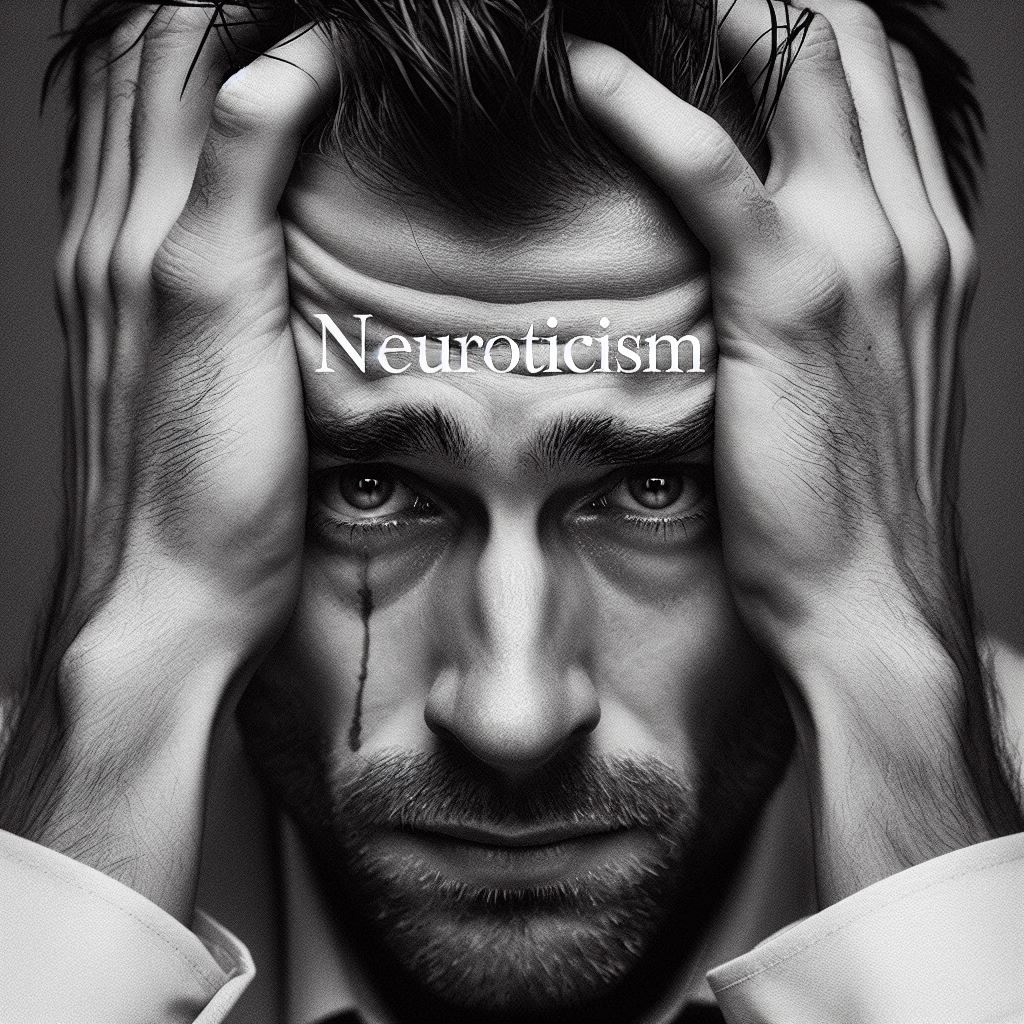
Have you ever experienced a conflict that you couldn’t quite put your finger on? It feels like there’s something bubbling under the surface, but you just can’t seem to uncover it. Well, the chances are that you may be dealing with an unconscious emotional conflict.
Unconscious emotional conflicts are internal battles that we are not consciously aware of. They can emerge from childhood experiences, unresolved trauma, or even deeply buried fears and beliefs. Because they are hidden deep within our psyche, they often have a significant impact on our emotions, thoughts, and behaviours without us realising it.
These conflicts can manifest in different ways, such as persistent anxiety, self-sabotaging behaviours, or unexplained emotional outbursts. It’s as if there’s a hidden force driving our actions, and we feel powerless in understanding or addressing it.
So, how can we resolve these unconscious emotional conflicts?
1. Self-reflection and awareness: The first step towards resolving any conflict is to become conscious of it. Take some time for self-reflection and try to dig deeper into your emotions and thoughts. Journalling, meditation, or talking to a trusted friend or therapist can be powerful tools to help you gain clarity.
2. Uncovering the root cause: To resolve an unconscious emotional conflict, we need to identify its root cause. This may require delving into past experiences or trauma that we may have buried. Seek professional help if necessary, as therapists can provide guidance and support while helping you explore these hidden layers of your psyche.
3. Embrace emotional healing: Once you’ve uncovered the root cause, it’s important to focus on healing those emotional wounds. This may involve accepting and validating the emotions that surface, practising self-compassion, or seeking therapy to work through the unresolved trauma or beliefs.
4. Change your narrative: Often, unconscious emotional conflicts are rooted in distorted beliefs about ourselves or the world. Challenge these beliefs and rewrite your narrative. Replace negative self-talk with positive affirmations and realistic perspectives. Surround yourself with supportive and encouraging people who can help you reframe your mindset.
5. Practise self-care and mindfulness: Taking care of your mental and emotional well-being is crucial throughout the healing process. Incorporate self-care activities into your routine, such as exercise, spending time in nature, or engaging in hobbies that bring you joy. Practice mindfulness to stay present and observe your emotions without judgement.
Final Notes
Resolving unconscious emotional conflicts may not be an overnight process. It requires patience, self-compassion, and a commitment to self-growth. Remember, it is through these conflicts that we have an opportunity to heal and grow into the best version of ourselves.
If you find yourself grappling with unresolved inner conflicts, know that you are not alone. Seek support, be kind to yourself, and trust in your ability to overcome these challenges. The journey towards resolving unconscious emotional conflicts is an empowering one that can lead to greater emotional freedom and a more fulfilling life.
Share this:

You Might Also Enjoy Reading