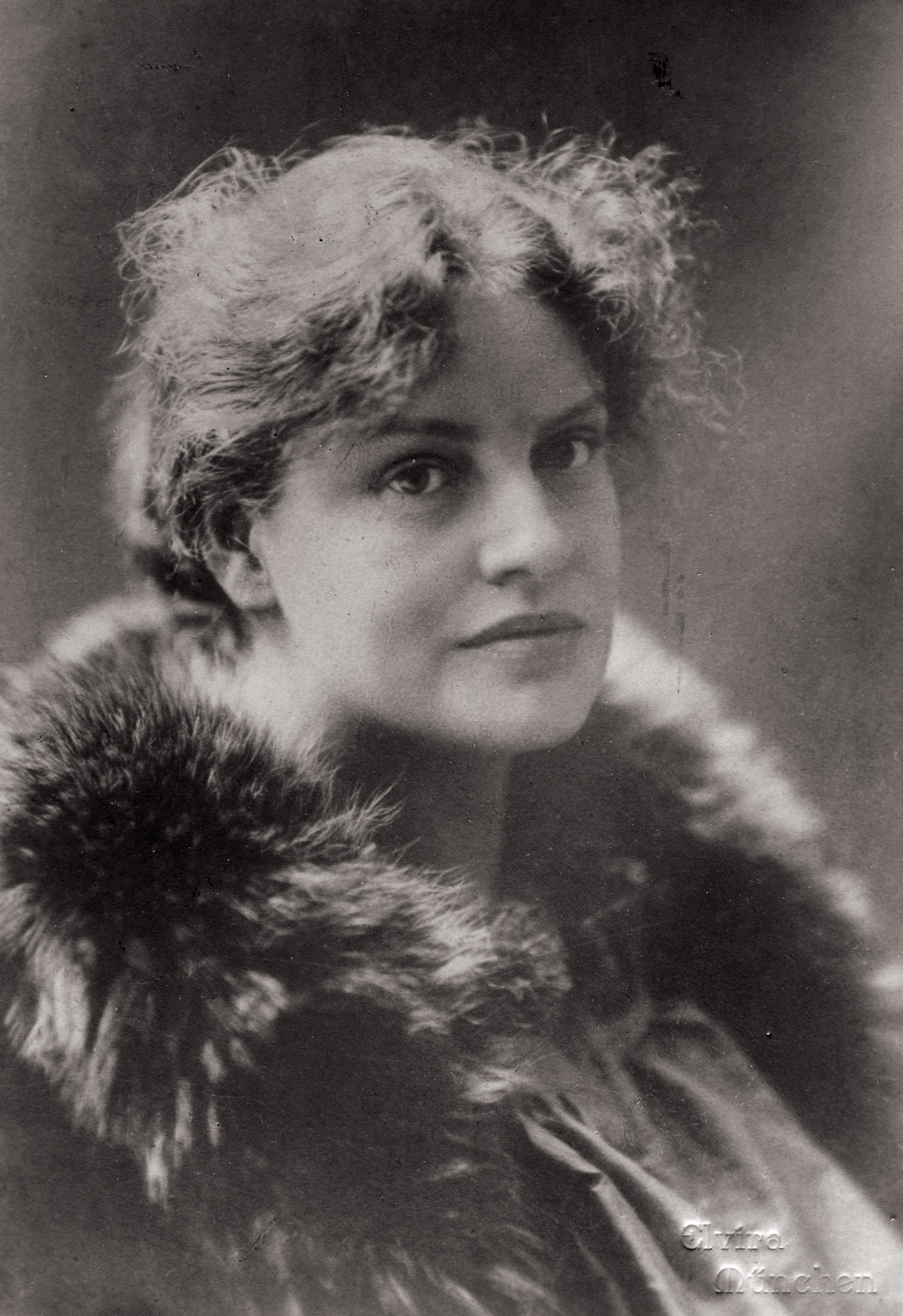

Jacques Lacan, a French psychoanalyst renowned for his groundbreaking theories, shook the foundations of traditional psychoanalysis and stirred controversy throughout his career. As a non-conformist intellectual, Lacan’s ideas challenged the status quo, igniting both fascination and animosity within the psychoanalytic community. However, one of the most contentious aspects of Lacan’s life was his alleged persecution by the International Psychoanalytical Association (IPA). In this blog post, we unveil the complexities behind Lacan’s tumultuous relationship with the IPA, shedding light on an intriguing chapter in psychoanalytic history.
Lacan’s Unorthodox Theories
Before diving into the turbulent relationship between Lacan and the IPA, it is important to understand the unorthodox ideas that made Lacan both distinct and unsettling to many. Rejecting the rigid teachings of traditional psychoanalysis, Lacan introduced novel concepts such as the Mirror Stage, the Symbolic Order, and the concept of the “Other.” These theories aimed to transcend Freud’s initial framework by incorporating linguistics, sociology, and philosophy into the psychoanalytic domain.
The Growing Discontent
As Lacan’s influence within the psychoanalytic community grew, so did the resistance against his ideas from some members of the IPA. Many staunch Freudians perceived Lacan’s deviation from classical psychoanalysis as a threat to the field and its legacy. Consequently, a power struggle ensued, fuelling the animosity between Lacan and the IPA.
Excommunication and the Split
In 1953, due to mounting controversy and dissatisfaction, the IPA ejected Lacan from the organisation, officially excommunicating him. This watershed moment was a turning point, leading to the formation of the École Freudienne de Paris (EFP). Founded by Lacan, this institution served as a platform for his psychoanalytic teachings and quickly gained a following of devoted students.
The Parisian Heresy
Those who remained faithful to Lacan’s teachings faced backlash from the IPA as well. Psychoanalysts who chose to align themselves with Lacan’s unconventional ideas were met with accusations of heresy and were deemed outcasts by the IPA. The IPA’s refusal to recognise Lacan and the EFP as legitimate psychoanalytic bodies only intensified the divide within the field.
Legacy and Reconciliation
Despite enduring years of marginalisation, Lacan’s influence continued to grow, primarily through the dissemination of his writing and teachings by his followers. Despite being ostracised from the IPA, many psychoanalysts outside the organisation embraced Lacanian ideas and incorporated them into their own practices. Over time, the animosity towards Lacan within the psychoanalytic community gradually faded, leading to a more nuanced understanding and appreciation of his contributions.
Conclusion
Jacques Lacan’s troubled relationship with the IPA undoubtedly shaped the course of psychoanalysis, illuminating the inherent tensions between orthodox and non-conformist perspectives in intellectual fields. While Lacan’s unorthodox theories initially threatened the status quo, they eventually opened up new avenues for exploration, prompting critical engagement and development within the field of psychoanalysis. By acknowledging the pervasive impact of Lacan’s work beyond the confines of the IPA, we recognise the significance of embracing diverse viewpoints within the realm of psychological theory and practice.
Share this:

You Might Also Enjoy Reading