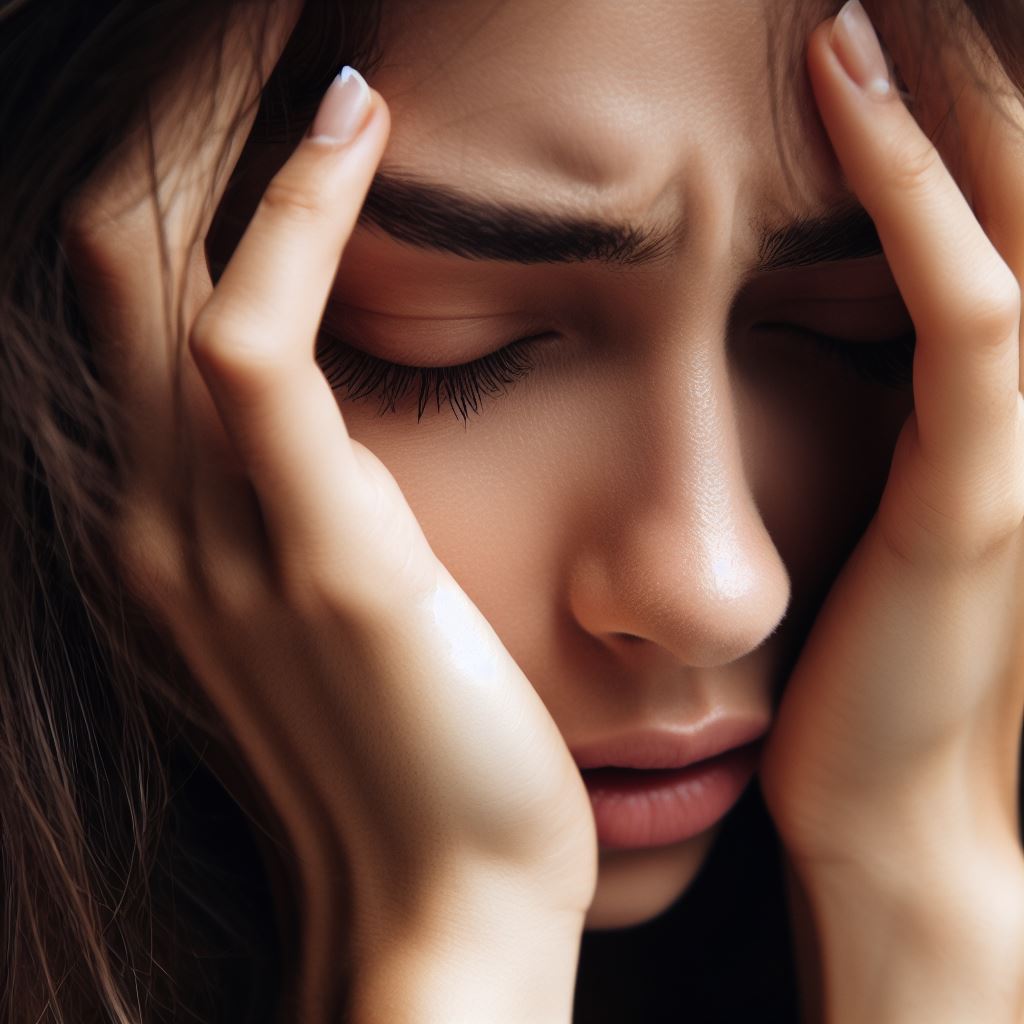

Anxiety disorders are one of the most common mental health problems that individuals face worldwide. With the fast-paced and demanding nature of modern life, it is not surprising that anxiety disorders are on the rise. However, despite their prevalence, anxiety disorders are often misunderstood and overlooked. In this blog post, we will explore the different types of anxiety disorders and provide some coping strategies to help individuals manage their symptoms.
Types of Anxiety Disorders
- Generalised Anxiety Disorder (GAD): GAD is characterised by excessive worry and fear about everyday situations. People with GAD often experience restlessness, irritability, muscle tension, and difficulty concentrating. Coping strategies for GAD include practising relaxation techniques such as deep breathing or meditation, engaging in physical exercise, and seeking support from friends, family, or mental health professionals.
- Panic Disorder: Panic disorder involves the sudden onset of intense fear and physical symptoms like rapid heart rate, trembling, shortness of breath, and a sense of impending doom. Coping strategies for panic disorder include slow and deep breathing exercises, identifying triggers and avoiding them when possible, and joining support groups to share experiences and learn from others.
- Social Anxiety Disorder (SAD): SAD is characterised by an extreme fear of social situations and a heightened self-consciousness. People with SAD often avoid socialising altogether, fearing judgement and embarrassment. Coping strategies for SAD include gradually facing fears by exposing oneself to social situations in a controlled manner, challenging negative thoughts and beliefs, and seeking therapy to address underlying issues and develop coping mechanisms.
- Obsessive-Compulsive Disorder (OCD): OCD involves unwanted, intrusive thoughts and repetitive behaviours or rituals aimed at reducing anxiety. Coping strategies for OCD include seeking cognitive-behavioural therapy (CBT) to challenge and reframe obsessive thoughts, practising relaxation techniques to manage anxiety, and gradually reducing or eliminating compulsive behaviours with the guidance of a mental health professional.
- Post-Traumatic Stress Disorder (PTSD): PTSD is a disorder that occurs following a traumatic event. It can manifest in flashbacks, nightmares, and intense fear or anxiety that interfere with daily life. Coping strategies for PTSD include seeking therapy, such as eye movement desensitisation and reprocessing (EMDR), which helps individuals process traumatic memories, practising grounding techniques to stay present during distressing flashbacks, and building a support network of understanding friends and family.
Coping Strategies
It is essential to remember that everyone’s experience with anxiety disorders is unique. Coping strategies that work for one person may not work for another, and seeking professional help is often crucial in developing an individualised treatment plan. Yes, anxiety disorders can be quite challenging, but there are several coping strategies that can help you manage and reduce anxiety. Here are a few techniques you could try:
- Deep breathing exercises: Practise deep breathing techniques, such as diaphragmatic breathing or box breathing, to calm your body and mind.
- Progressive muscle relaxation: Start by tensing and then releasing each muscle group in your body, one at a time. This can help relieve physical tension associated with anxiety.
- Mindfulness meditation: Engage in mindfulness practices to bring your attention to the present moment. Focus on your breath, sensations in your body, or the environment around you.
- Challenge negative thoughts: Identify and challenge the negative thoughts that contribute to your anxiety. Replace them with more balanced and realistic thoughts.
- Physical activity: Engage in regular physical exercise as it can help reduce anxiety and improve your mood. Find activities that you enjoy, such as walking, dancing, or yoga.
- Social support: Reach out to friends, family, or support groups. Talking to someone you trust can provide comfort and perspective.
- Self-care: Prioritise self-care activities that help you relax and recharge. This may include taking a bath, reading a book, spending time in nature, or practising a hobby.
- Limit caffeine and alcohol: These substances can increase anxiety symptoms. Consider reducing or avoiding consumption, especially if you notice a correlation between them and your anxiety levels.
Remember, coping strategies vary from person to person. It may take some trial and error to find the techniques that work best for you. If your anxiety symptoms persist or worsen, consider seeking professional help from a mental health provider for additional support.
Conclusion
In conclusion, anxiety disorders can be challenging to navigate, but with the right understanding and coping strategies, individuals can regain control of their lives. Identifying the specific type of anxiety disorder one may be facing and seeking professional help is the first step towards finding effective coping mechanisms. Remember, you are not alone, and there is support available to help you manage your anxiety and live a fulfilling life.
Share this:

You Might Also Enjoy Reading