
The field of psychoanalysis is ripe with the name of Jacques Lacan – a French psychoanalyst who made significant contributions to the understanding of the human psyche. Among his many concepts, the sinthome stands out as a crucial idea that sheds light on the complex web of the unconscious mind. This concept, which traces its roots to Freud’s work on the unconscious, uncovers hidden structures that shape our identities, behaviours, and desires. In this blog post, we will explore the intricacies of the sinthome and its implications for our understanding of the self.
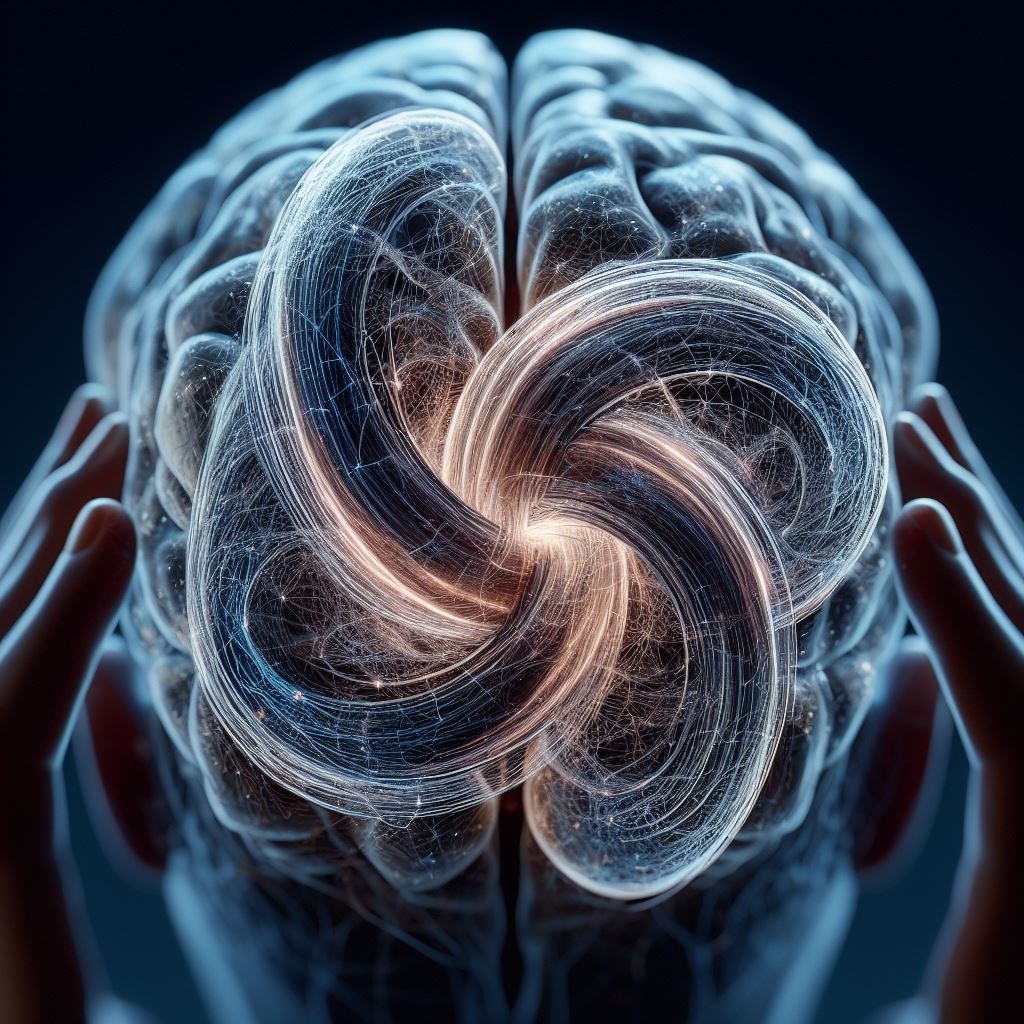
Lacan defines the sinthome as an intimate knotting of the imaginary, symbolic, and real registers within an individual. It is a unique, idiosyncratic structure that encompasses both the conscious and unconscious dimensions of our being. Unlike traditional psychoanalytic theories that focus solely on the unconscious, Lacan believed that the sinthome encompasses our entire psychic structure, making it a multifaceted concept worthy of exploration.
To comprehend the sinthome, we must first understand the three registers it intertwines. The imaginary register refers to the realm of images and perceptions, where our ego is formed. It involves the construction of an idealised self-image and the identification with others. The symbolic register, on the other hand, encompasses language, culture, and the shared systems of meaning that shape our understanding of the world. Lastly, the real register represents the unfathomable, non-symbolic dimension of existence that eludes human comprehension.
The sinthome represents the intricate interplay and unavoidable tensions between these three registers within an individual. It exposes the inconsistencies and contradictions that arise from our attempts to find stability and coherence in a complex world. Lacan argues that the sinthome is what allows us to maintain a fragile balance between these antagonistic forces. It is a defence mechanism that guards against the disintegration of the self under the weight of these conflicts.
The sinthome has far-reaching implications for our understanding of identity, desire, and mental health. It challenges the idea of a unified, stable self and reveals the inherent contradictions and fractures within our psychic structure. By recognising the sinthome, individuals can gain insight into the unconscious forces that shape their behaviours, preferences, and emotional experiences.
Furthermore, the Sinthome highlights the role of language and culture in constructing our identities. It reminds us that our self-perception is deeply influenced by the social discourses that surround us, and that our desires and fantasies are shaped by symbolic frameworks. Understanding the sinthome can empower individuals to critically examine the norms and ideologies to which they adhere and question whether they align with their authentic selves.
Additionally, the concept of the sinthome provides a new lens through which we can approach mental health and therapy. Traditional psychoanalysis tends to focus on uncovering and interpreting unconscious fantasies and desires. However, by incorporating the sinthome framework, therapists can explore how the real, symbolic, and imaginary registers intersect and impact their client’s well-being. Such an approach can lead to a more comprehensive understanding of the individual and facilitate more effective therapeutic interventions.
In conclusion, the sinthome serves as a powerful tool for understanding the intricate workings of the human psyche. It reveals the interplay between the imaginary, symbolic, and real registers and uncovers the hidden structures that shape our identities and behaviours. By embracing the sinthome, individuals can gain insight into their unconscious drives and desires, leading to a deeper understanding of themselves and the world around them. As we continue to delve into the depths of psychoanalysis, the sinthome provides a valuable perspective that enriches our understanding of the human experience.
Share this:

You Might Also Enjoy Reading