Tag: The Unconscious

  • Unconscious Prejudice: Shedding Light on Implicit Bias

    Unconscious Prejudice: Shedding Light on Implicit Bias

    Advertisements

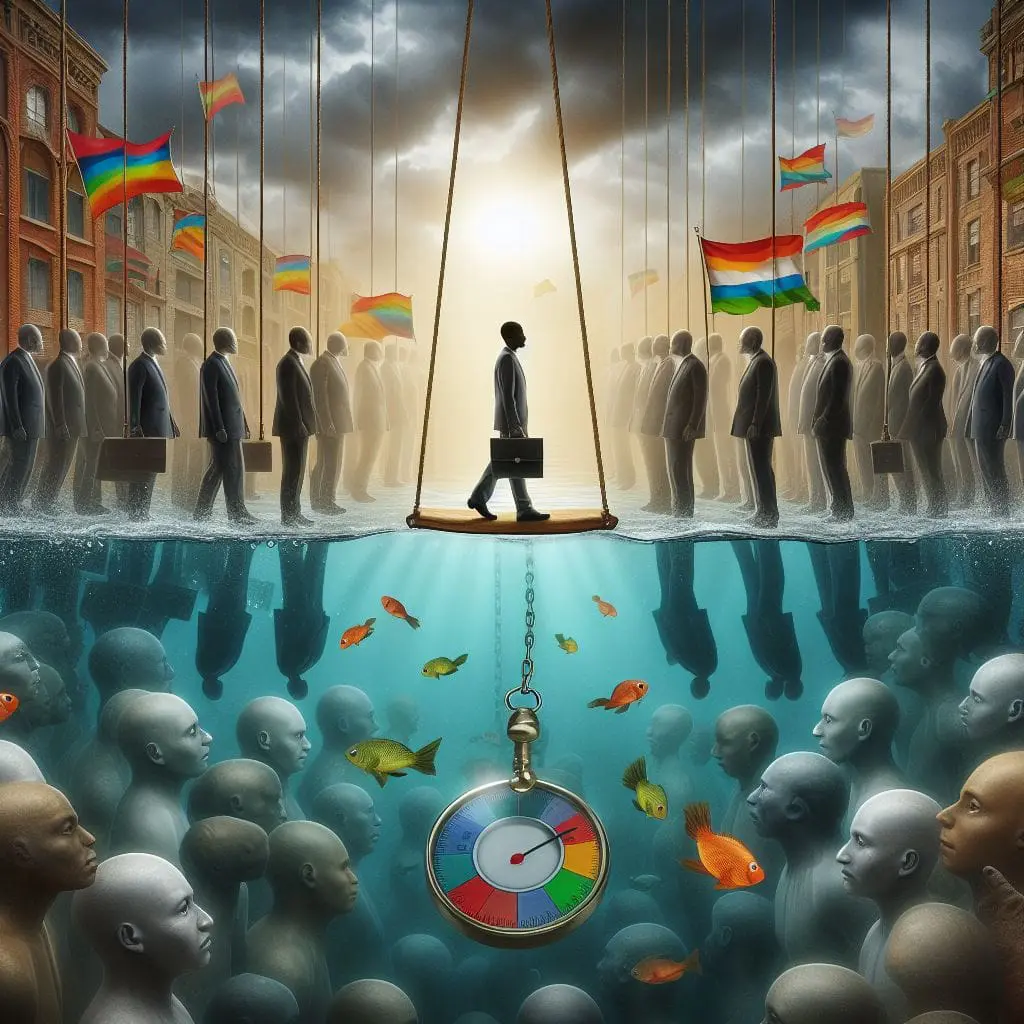
    Implicit bias refers to the attitudes or stereotypes that affect our understanding , actions, and decisions in an unconscious manner. These biases are often ingrained in our subconscious through societal norms, media portrayals, and personal experiences, and can lead to discriminatory behaviours without us even realising it.

    One of the biggest challenges with implicit bias is that it can be difficult to recognise and acknowledge. Unlike explicit forms of prejudice, implicit bias may not align with our conscious beliefs and values, making it challenging to confront and address. However, research has shown that implicit bias can have significant consequences, leading to discrimination in hiring practices, healthcare treatment, and even interactions with friends and family.

    One way to combat unconscious prejudice is to bring it into the light and actively work to address it. This can involve educating ourselves about the prevalence and impact of implicit bias, engaging in uncomfortable conversations about race, gender, and other social identities, and actively challenging our own assumptions and stereotypes.

    Additionally, organisations and institutions can play a role in addressing implicit bias by implementing training programs and policies that promote diversity and inclusion. By creating a culture that values and celebrates differences, we can begin to break down the barriers that uphold prejudice and discrimination.

    Ultimately, shedding light on implicit bias is a necessary step towards creating a more equitable and just society. By acknowledging our biases and actively working to overcome them, we can build a more inclusive and welcoming world for all.

  • Freud’s Drive Theory: Exploring The Unconscious Forces

    Freud’s Drive Theory: Exploring The Unconscious Forces

    Advertisements

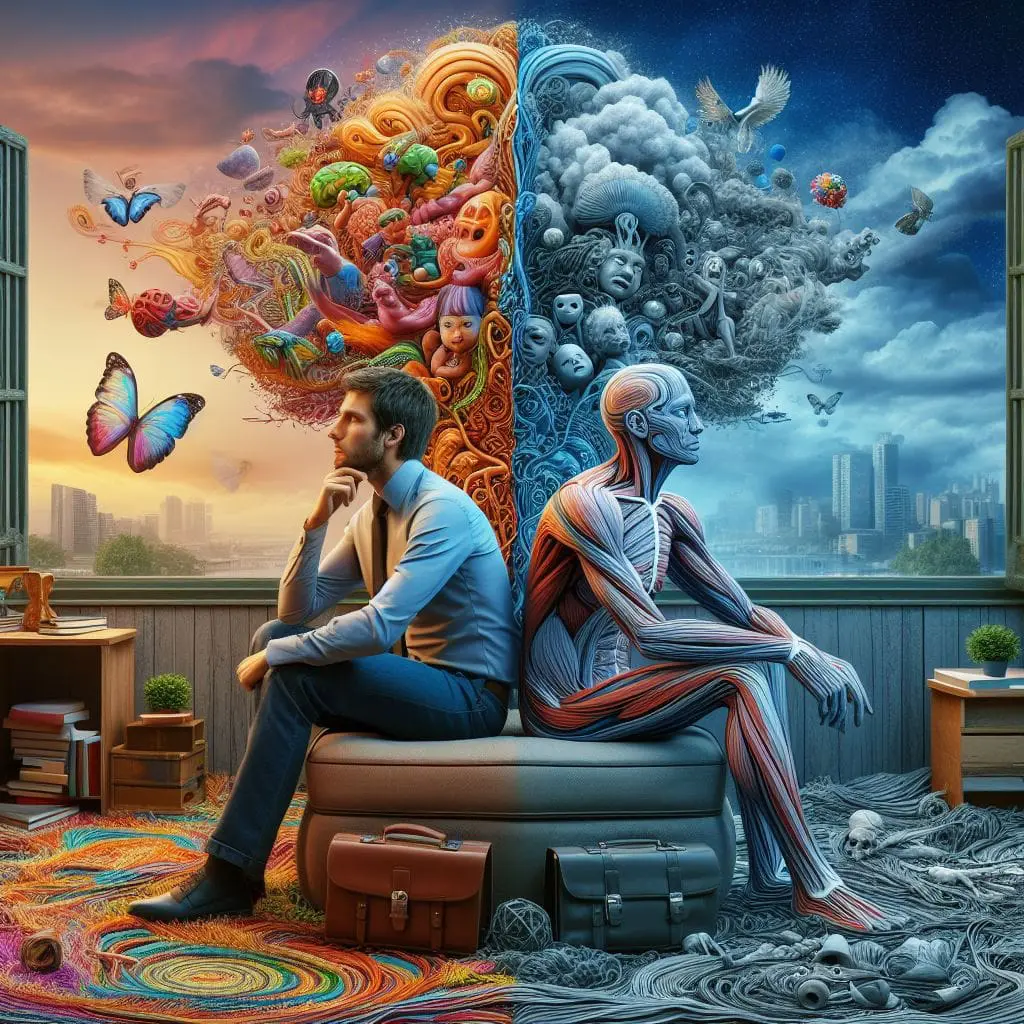
    The life drive, or Eros, is responsible for our desires for love, creativity, and self-preservation. It is the drive that motivates us to seek pleasure , form relationships, and pursue our goals. The life drive is also what fuels our sexual instincts, as well as our instincts for creativity and self-expression. Without the life drive, humans would have no motivation to seek out pleasure or engage in activities that bring joy and fulfilment.

    On the other hand, the death drive, or Thanatos, is the drive that pushes us toward self-destruction and aggression. Freud believed that all humans have a natural instinct for aggression and violence, stemming from our primal instincts for survival. The death drive is what motivates individuals to engage in risky behaviours, self-harm, or destructive tendencies. It is the darker side of human nature that Freud believed we must learn to control and channel in a healthy way.

    The Freudian Drive Theory also includes the concept of the unconscious mind, where our deepest desires, fears, and instincts reside. Freud believed that much of our behaviour is driven by unconscious motives that we may not be aware of. Through psychoanalysis, individuals can uncover and work through these unconscious drives to gain a better understanding of their motivations and behaviours.

    Overall, the Freudian Drive Theory offers a unique perspective on human behaviour and the underlying forces that drive us. By exploring the concepts of the life drive and death drive, we can gain insights into our motivations, desires, and fears, and work towards a more balanced and fulfilling life. Freud’s theories continue to influence modern psychology and our understanding of the complexities of the human mind.

  • Conscious vs. Unconscious Processes

    Conscious vs. Unconscious Processes

    Advertisements

    Conscious processes refer to the thoughts, feelings, and actions that we are aware of in the present moment. These are the thoughts that are at the forefront of our minds, the ones we actively think about and control. For example, when we are making a decision or solving a problem, we are engaging in conscious processes. It is this part of our mind that we typically think of as “us” – our conscious self.

    On the other hand, unconscious processes are the thoughts and feelings that are hidden from our conscious awareness. These processes are constantly at work in the background, influencing our behaviour and decisions without us even knowing it. This can include automatic responses, ingrained habits, or deeply buried beliefs and traumas that shape how we perceive the world and interact with others.

    One of the most well-known theories about the unconscious mind comes from psychoanalyst Sigmund Freud, who believed that our unconscious desires and fears can have a profound impact on our behaviour. According to Freud, these hidden thoughts and emotions can manifest themselves in dreams, slips of the tongue, and other seemingly random occurrences.

    But it’s not just Freud who has explored the power of the unconscious mind. In recent years, cognitive psychologists have also delved into the ways in which unconscious processes can influence our behaviour. Research has shown that our unconscious biases, stereotypes, and heuristics can shape the way we perceive and interact with the world around us, even when we consciously try to be fair and objective.

    So why does all of this matter? Understanding the interplay between conscious and unconscious processes can help us make more informed decisions, improve our relationships, and even change our habits and behaviours for the better. By shining a light on the hidden workings of our minds, we can begin to unravel the complexities of human behaviour and ultimately gain a deeper understanding of ourselves.

    In conclusion, the mind is a complex and mysterious place, and the interactions between conscious and unconscious processes are just one example of its intricacies. By exploring these hidden depths, we can uncover the influences that shape our thoughts and actions, ultimately leading to a greater sense of self-awareness and personal growth. So next time you find yourself wondering why you did or said something, remember that there may be more at play than meets the eye.

  • The Interpolation of Unconscious Acts: Exploring the Depths of Human Behaviour

    The Interpolation of Unconscious Acts: Exploring the Depths of Human Behaviour

    Advertisements

    To understand the concept of unconscious acts, we first need to delve into the workings of our mind. Our conscious mind, the part we identify with most often, is responsible for our voluntary actions, thoughts, and decisions. However, underneath the surface lies our vast unconscious mind, where our emotions, desires, memories, and instincts reside. It is this unconscious realm that plays a crucial role in the interpolation of unconscious acts.

    One of the fundamental principles guiding this exploration is Sigmund Freud’s groundbreaking psychoanalytic theory. Freud proposed that our unconscious mind holds repressed thoughts, emotions, and desires that influence our conscious behaviour. According to him, our unconscious acts are expressions of these hidden elements seeking some outlet in the external world. They are like whispers from the depths, subtly guiding our actions in ways we are often unaware of.

    An example of an unconscious act can be seen in the creative process. Artists often describe moments of pure inspiration, where their ideas seem to appear out of thin air, bypassing conscious thought. The painter strokes the canvas, the writer pens a profound line, or the musician creates a melody seemingly from nowhere. These instances highlight the interpolation of unconscious acts, as if the creative force within had taken over momentarily, guiding their artistic expression.

    The implications of unconscious acts extend beyond the realms of artistry. In our daily lives, we may find ourselves acting on impulses, making snap decisions, or experiencing sudden bursts of emotions that seem to originate from nowhere. These unconscious acts can be influenced by our past experiences, beliefs, cultural conditioning, and even our evolutionary instincts. Understanding their origin and influence can provide valuable insights into our motivations and behaviours.

    While the interpolation of unconscious acts may seem mysterious, it is not completely beyond comprehension. Techniques such as dream analysis, hypnosis, and mindfulness meditation have been employed to delve deeper into the unconscious mind and shed light on our hidden desires and motivations. These practices offer glimpses into the subtle interplay between our conscious and unconscious selves, revealing the intricate tapestry of human behaviour.

    In conclusion, the interpolation of unconscious acts is a captivating phenomenon that invites us to explore the depths of our psyche. By acknowledging and understanding the power of our unconscious mind, we can gain a deeper awareness of our motivations, desires, and behaviours. Whether in creative pursuits or daily life, we can find value in recognising the whispers from our unconscious and welcoming them as valuable contributors to our conscious experiences. So, next time you find yourself acting on an impulse or being struck by a moment of inspiration, pause and appreciate the intriguing dance between your conscious and unconscious selves.

    Advertisements
  • The Difference Between ‘Unconscious’ and ‘Subconscious’

    The Difference Between ‘Unconscious’ and ‘Subconscious’

    Advertisements

    The unconscious and subconscious are two layers of the mind that exist beyond our conscious awareness. They shape our behaviour, thoughts, and emotions, but in different ways and with different degrees of control. Let’s delve deeper into each term to grasp their significance.

    Starting with the unconscious mind, it can be thought of as the hidden reservoir of experiences, memories, and emotions that are outside the realm of our conscious awareness. These aspects of our psyche have been repressed, forgotten, or stored away due to their overwhelming or traumatic nature. Freud, the father of psychoanalysis, believed that the unconscious was the primary driving force behind our behaviour and played a significant role in the formation of our personality. He proposed that our desires, fears, and unresolved conflicts all reside within the unconscious, influencing our thoughts and actions without our conscious control.

    On the other hand, we have the subconscious mind, which encompasses the aspects of our thoughts and perceptions that are just beneath the surface of our conscious awareness. Unlike the unconscious, the subconscious mind is accessible if we pay attention to it. It contains all the information absorbed by the conscious mind but temporarily stored away rather than being permanently repressed. Think of it as a powerful processing system that filters and organises the information we receive, influencing our beliefs, attitudes, and behaviours in subtle and often unnoticed ways.

    So, while the unconscious exerts an influence on our behaviour through deeply-rooted emotional experiences, the subconscious affects us through a continuous processing of information that shapes our perception and decision-making based on previously acquired knowledge.

    To better understand the difference, consider an analogy of an iceberg. The conscious mind, which is our active thinking and reasoning state, is represented by the tip of the iceberg visible above the water. The subconscious lies just below the surface, partially hidden yet accessible through exploration. Lastly, the unconscious lurks in the deep waters below, carrying influential elements that are difficult to reach without help or specific techniques like psychoanalysis or hypnosis.

    So why is understanding these distinctions important? Recognising that our thoughts and actions are not solely governed by our conscious mind empowers us to explore and address deeper layers of our psyche. By acknowledging the existence of the unconscious and subconscious, we can gain insights into hidden motivations, past traumas, and deeply ingrained patterns of behaviour, allowing for personal growth, healing, and self-awareness.

    Moreover, comprehending the different levels of our mind can help us become more aware of the factors influencing our decisions, leading to enhanced critical thinking and self-reflection. It can also pave the way for effective therapeutic interventions, as therapists can target the unconscious or subconscious to address past traumas, promote psychological well-being, and unlock a person’s potential.

    In conclusion, while the terms “unconscious” and “subconscious” are often used interchangeably, they refer to separate aspects of our mind. The unconscious is composed of deeply repressed material, influencing us through unresolved conflicts and desires, while the subconscious operates just below the conscious level, filtering and organising information to shape our thoughts and actions. Understanding these layers of our psyche opens up new paths for self-discovery, growth, and creating a life aligned with our true desires. So, dive beneath the surface and explore the profound workings of your mind!

    Advertisements
  • The Intricate Topology of the Unconscious Mind

    The Intricate Topology of the Unconscious Mind

    Advertisements

    Defining the Unconscious Mind

    The concept of the unconscious mind was initially proposed by Sigmund Freud, the renowned psychoanalyst. Freud held that the unconscious consists of thoughts, desires, memories, and impulses that lie below the surface of our conscious awareness. It acts as a storehouse, influencing our thoughts, emotions, and actions, even though we may not be conscious of its influence.

    Topology of the Unconscious Mind

    Understanding the topology of the unconscious mind requires delving into its various components and functions. Let’s explore three crucial elements that shape its intricate landscape:

    1. Emotional Memory Storage: The unconscious mind serves as a repository for emotional memories, experiences, and traumas that have shaped our lives. These memories can influence our behaviour, biases, and reactions, often without us consciously realising it. Exploring and addressing these buried emotions can lead to personal growth and healing.

    2. Symbolic Language and Dreams: The unconscious mind communicates through imagery, symbolism, and dreams. These symbols serve as a bridge between the conscious and unconscious realms, offering insights into our fears, desires, and unresolved conflicts. By analysing dreams and paying attention to these symbols, we may gain valuable insights into our own psyche.

    3. Implicit Learning and Habits: The unconscious mind plays a vital role in acquiring new skills, forming habits, and automating repetitive tasks. This implicit learning allows us to perform complex actions effortlessly, such as riding a bicycle or driving a car. Understanding this aspect of the unconscious can aid in skill acquisition and behaviour change.

    The Power and Influence of the Unconscious Mind: The unconscious mind exerts a significant influence on our daily lives, shaping our behaviour, decisions, and even perceptions. It can subtly guide our choices, actions, and relationships, often outside our conscious awareness. Recognising and understanding these unconscious influences grants us the opportunity to make more intentional choices and create positive change.

    Unlocking the Potential: Although the unconscious mind can sometimes seem intimidating due to its hidden nature, it also holds tremendous potential for personal growth and self-discovery. Embracing this complex landscape can lead to profound insights, increased self-awareness, and improved overall well-being. Techniques such as meditation, introspection, and therapy can serve as gateways to accessing and understanding the unconscious mind.

    Conclusion

    The topology of the unconscious mind remains both fascinating and enigmatic. As our understanding continues to evolve, we embark on a journey of self-discovery and exploration. By recognising the power of the unconscious and actively engaging with it, we open doors to personal growth, healing, and a deeper understanding of ourselves. Embrace the mysteries that lie beneath the surface, and may your exploration of the unconscious mind lead you to new insights and transformative experiences.

    Advertisements
  • The Unconscious Emotional Spectrum: Understanding the Depths of our Psyche

    The Unconscious Emotional Spectrum: Understanding the Depths of our Psyche

    To truly comprehend the unconscious emotional spectrum, it is essential to grasp the significance of the unconscious mind. Our unconscious represents the vast reservoir of thoughts, feelings, desires, and memories that exist beyond our conscious awareness. It comprises the hidden layers of our psyche, influencing our behaviour, perception, and emotional responses.

    Within this enigmatic realm lies a range of emotions, some of which are too complex or overwhelming for our conscious mind to process in their entirety. These emotions may have roots in childhood experiences, traumatic events, or deeply ingrained patterns of thinking and feeling. These buried emotions often manifest in various ways, such as recurring dreams, unexplainable physical sensations, or seemingly irrational fears and anxieties.

    One crucial aspect to bear in mind is that the unconscious emotional spectrum is not limited to negative emotions alone. Positive feelings, dreams, desires, and creative inspirations bubbling beneath the surface are also part of this vast emotional realm. By bringing these hidden emotions into the light, we can tap into a deeper level of self-awareness and unlock our full potential.

    So, how can we access and understand our unconscious emotional spectrum? The process may seem daunting and complex, but there are simple steps we can take to embark on this journey of self-discovery:

    1. Mindfulness and Self-Reflection: Cultivate a practice of mindfulness to increase your awareness of your thoughts, feelings, and bodily sensations. Engage in regular self-reflection, journalling, or meditation to tap into your inner world.

    2. Seek Professional Guidance: Consider working with a therapist or counsellor who specialises in unconscious processes. They can provide valuable guidance and help you navigate the complexities of your emotional landscape.

    3. Explore Symbolism and Dreams: Pay attention to recurring symbols or themes in your dreams and explore their potential meanings. Symbolism often provides a gateway into the unconscious realm and can help unravel hidden emotions.

    4. Embrace Creativity: Engaging in creative activities like painting, writing, or dancing can help facilitate a connection with your unconscious mind. These activities allow for self-expression and provide a pathway to accessing deeper emotions.

    5. Practice Emotional Release: Seek healthy outlets for emotional release, such as talking to a trusted friend, engaging in physical exercise, or participating in practices like yoga or breath work. Release trapped emotions lurking in the unconscious can promote healing and emotional well-being.

    Remember, the unconscious emotional spectrum is a vast and intricate realm that holds immense transformative potential. By embarking on a journey of self-exploration and self-discovery, we can shed light on these hidden emotions and unlock a deeper understanding of ourselves. As we embrace the complexity of our unconscious emotional landscape, we can heal, grow, and flourish on both personal and interpersonal levels, leading to a more fulfilling and authentic life.