Tag: Technology

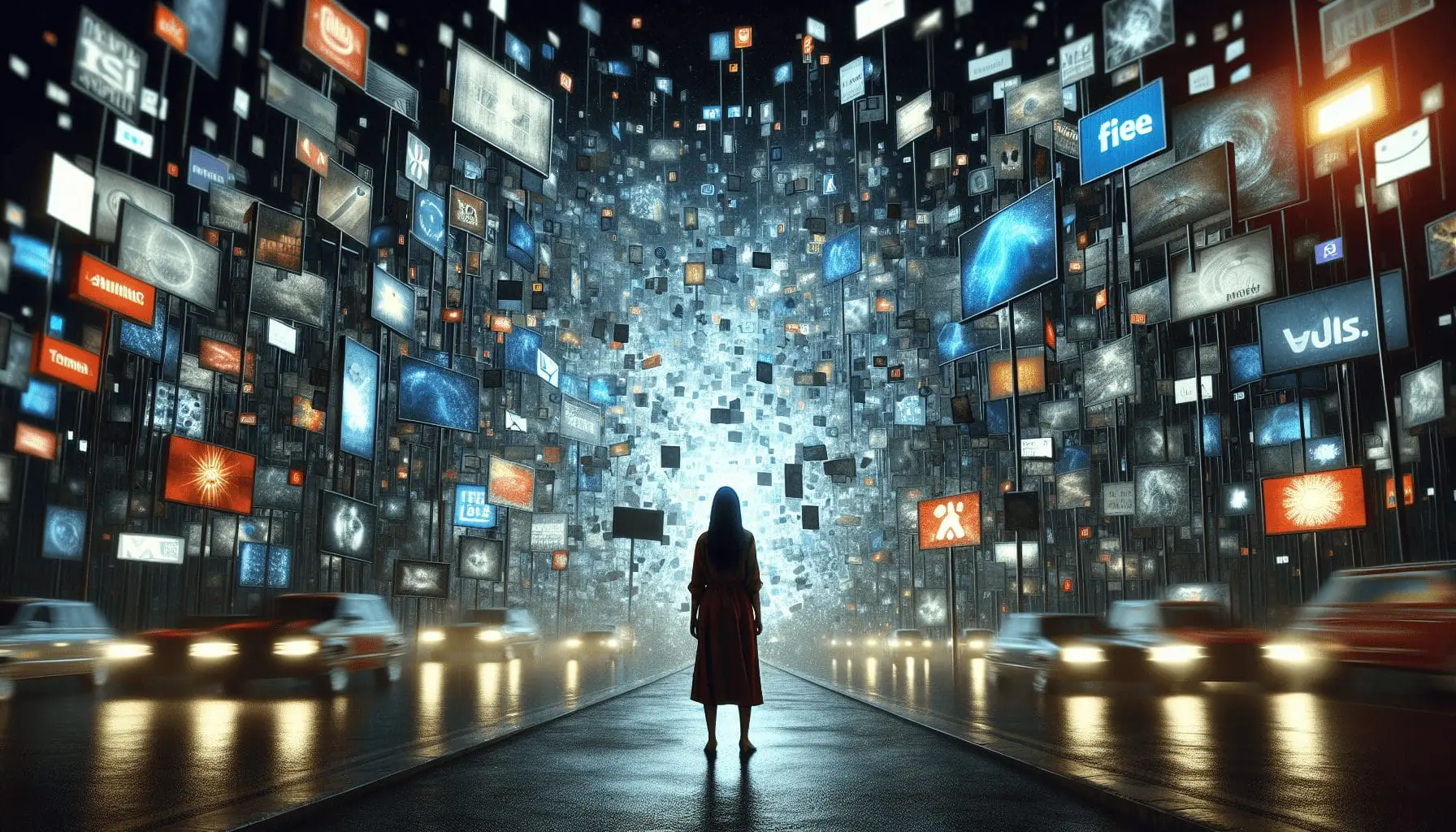
  • Digital Antisemitism Has Become Normal Globally

    Digital Antisemitism Has Become Normal Globally

    Advertisements

    The information warfare is very real. I’ve had to block people who seemed to harass me simply for being into Judaism. I have witnessed how Palestinian propaganda is Goebbelian in nature , and yet, barely anyone seems to be educated enough to tell when information is weaponised. People will let the media manipulate their emotions; and often the new propaganda overrides the education they received at school about the Nazi Holocaust. Despite all efforts, the public have easily become antisemitic really fast. Politicians are making profits out of war.

    One of the main reasons for the increase in digital antisemitism is the anonymity and accessibility of the internet. People can hide behind pseudonyms and fake profiles while spreading hateful messages without facing any consequences. This has emboldened individuals and groups to express their antisemitic views more openly, leading to a normalisation of hate speech that can quickly spread and influence others.

    People think that October 7th was not brutal, but it certainly was, marking a pivotal moment that shook the foundations of our beliefs about safety and humanity. Then we have some Christians claiming they are the “new Israel” and invalidating Jewish people’s existence, a stance that not only marginalises an entire community but also deepens societal divides. The world is hectic, mad, and dangerous as never before; political tensions are rising, and misinformation spreads like wildfire, leaving many in a state of confusion and fear. These are dark ages, where compassion seems to be overshadowed by strife, and the basic tenets of coexistence are challenged daily, urging us to reconsider how we engage with one another in a rapidly changing landscape.

    Social media platforms, in particular, have become breeding grounds for antisemitism. Posts demonising Jews or denying the Holocaust are not only allowed to stay up but often go viral, reaching a wide audience and perpetuating harmful stereotypes. Algorithms that prioritise engagement and controversial content only exacerbate the issue, pushing antisemitic messages further into the mainstream. It is happening in Telegram group chats. There are horrible stickers which demonise the Jew, and these cartoons are similar to Nazi cartoons published just before World War II. A decade ago, all this would have been unacceptable. But since jihadist propaganda spread, it has shockingly become hypernormalised to hate the Jewish people

    Rabbi Shraga Simmons (Aish, 2024) explained how digital platforms such as Wikipedia are currently being weaponised against Israel and the Jewish people, highlighting the alarming trend of misinformation and biased narratives that often distort historical facts and present a skewed portrayal of events. This manipulation of online resources not only undermines the integrity of educational platforms but also fosters a climate of misunderstanding and hostility towards Israel. By examining specific examples, Rabbi Simmons sheds light on the broader implications of such digital warfare, urging the Jewish community and supporters of Israel to remain vigilant and proactive in countering these narratives with truth and factual evidence. Furthermore, my Youtube channel was banned after I posted a short video of my Tanakh. I was accused of “Spam”. Clearly, this was an injustice, and a great loss for me.

    The problem is how this digital antisemitism leads to direct discrimination and hate crime against Jews all over the world. The consequences of this digital antisemitism are far-reaching and troubling. It can fuel real-world violence and discrimination against Jewish individuals and communities. In the past few years, we have seen a rise in hate crimes targeting Jews, including deadly attacks on synagogues and verbal harassment on the streets. The normalisation of antisemitism online only serves to validate these hateful actions and make them seem more acceptable to those who hold prejudiced views.

    For instance, recently an Italian restaurant refused to serve a Jewish couple as a result of antisemitic information about the war in Gaza. They were told by the hotel manager: “Good morning. We inform you that the Israeli people as those responsible for genocide are not welcome customers in our structure” (The Associated Press, Market Beat, 2024). They had used Booking.com to make the reservation, and this incident naturally led the Booking company to remove the specific hotel from their services, and even the Israeli Ministry of Foreign Affairs investigated the situation.

    It is crucial that we address this issue head-on and work towards combating digital antisemitism. Social media companies must take a stronger stance against hate speech on their platforms and enforce their community guidelines more rigorously. Education and awareness campaigns can also help to debunk myths and stereotypes about Jewish people, promoting understanding and tolerance instead.

    Ultimately, it is up to all of us to stand up against digital antisemitism and all forms of hate speech. By actively challenging and calling out antisemitic rhetoric whenever we encounter it, we can help to create a more inclusive and welcoming online environment for everyone. Let us work together to dismantle the normalisation of antisemitism and build a world where discrimination and hatred have no place.

  • Will Google Have to Pay the 20 Decillions Fine due to Youtube Bans?

    Will Google Have to Pay the 20 Decillions Fine due to Youtube Bans?

    Advertisements

    The case stems from the banning of 17 Russian broadcasters from YouTube for allegedly spreading misinformation and violating the platform’s community guidelines. The broadcasters, who have since been banned for over a year, filed a lawsuit against Google for lost revenue and damages as a result of their removal from the platform.

    The banned Russian broadcasters, including RT and RIA Novosti, have long been at odds with Google over the content they produce and share on YouTube. The arbitration court has now ruled in favour of the broadcasters, ordering Google to pay the astronomical fine for their continued infringement of Russian laws.

    The Moscow Court of Commercial Arbitration ruling that Google must pay 20 decillions to these broadcasters is a staggering amount and raises questions about the power and influence of tech companies in regulating online content. While Google has the right to enforce its community guidelines and remove content that violates its terms of service, the court’s decision highlights the potential consequences of these actions.

    But the question remains, does Google have to pay the fine to the banned Russian broadcasters on YouTube? While the court has ruled in favour of the broadcasters, Google has indicated that they do not plan to comply with the ruling. In fact, Google has gone as far as to say that they do not recognise the jurisdiction of the Russian court in this matter.

    Russia Today (2024) reports that such a fine is symbolic. This indicates that Google won’t actually have to pay the fine. Still, some argue that Google should not be responsible for paying such a hefty fine to the banned broadcasters, as the company is within its rights to moderate its platform and remove content that violates its policies. Others believe that tech companies like Google have a responsibility to ensure that their moderation actions are fair and transparent, and that they should be held accountable for any damages caused by wrongful removal of content.

    This raises important questions about the power dynamics at play when it comes to international companies operating in different countries. While Google may feel that they are not bound by Russian laws in this instance, the reality is that they are operating within Russian territory and are subject to Russian laws and regulations.

    Ultimately, the ruling by the Moscow court raises important questions about the balance between free speech and content moderation on online platforms. It also highlights the growing concern over the power and influence of tech giants in shaping the information landscape and controlling access to information.

    As Google considers its next steps in response to the court’s ruling, it will be important for the company to carefully navigate the complex issues of content moderation and regulation in order to ensure a fair and open online environment for all users. It will be interesting to see how this situation unfolds and what it means for the future of online content regulation and enforcement.

  • Exploring Algorithmic Art: Technology Meets Creativity

    Exploring Algorithmic Art: Technology Meets Creativity

    Advertisements

    The concept of algorithmic art has been around for centuries, with early examples found in Islamic geometric patterns and the intricate designs of Gothic cathedrals. However, with the advancement of technology, algorithmic art has taken on new forms and possibilities.

    One of the key aspects of algorithmic art is the idea of randomness and unpredictability. By using algorithms to create art, artists can introduce elements of chance and variability into their work, resulting in unique and unexpected outcomes . This allows for a level of creativity and experimentation that may not be possible through traditional artistic methods.

    Additionally, algorithmic art blurs the lines between art and science, as it involves the use of mathematical principles and computer programming. This interdisciplinary approach can lead to innovative and groundbreaking artwork that challenges traditional notions of beauty and composition.

    One of the most famous examples of algorithmic art is the work of Harold Cohen, a British artist known for his programmatic paintings created by his software called AARON. Cohen’s algorithmic art has been exhibited in galleries and museums around the world and has received critical acclaim for its intricate and expressive patterns.

    Algorithmic art also plays a role in digital media and interactive installations, with artists using algorithms to create dynamic and immersive experiences for audiences. This form of art challenges viewers to question their perception of reality and the boundaries between the physical and digital worlds.

    In conclusion, algorithmic art is a fascinating and evolving field that pushes the boundaries of creativity and technology. By harnessing the power of algorithms, artists can create innovative and thought-provoking artwork that challenges traditional notions of artistry and beauty. Whether through intricate patterns, dynamic animations, or immersive installations, algorithmic art offers endless possibilities for artistic expression and exploration.

  • How to Recover from a Google Penalty

    How to Recover from a Google Penalty

    Advertisements

    1. Understand the penalty: The first step to recovering from a Google penalty is to understand why it happened in the first place. Google penalties can be manual or algorithmic, and they can be caused by a variety of factors such as thin or duplicate content, keyword stuffing, or low-quality backlinks. By identifying the specific cause of the penalty, you can take steps to address it and prevent it from happening again in the future.

    2. Clean up your site: Once you’ve identified the cause of the penalty, it’s time to clean up your site. This may involve removing any spammy or low-quality content, fixing broken links, and disavowing any toxic backlinks. It’s important to take a thorough approach to this process to ensure that you’re addressing all of the issues that may have contributed to the penalty.

    3. Build high-quality content: One of the best ways to recover from a Google penalty is to focus on creating high-quality, valuable content for your website. Google rewards sites that provide relevant and useful information to users, so by investing in content that is well-written and engaging, you can improve your site’s credibility and rankings.

    4. Focus on white-hat SEO techniques: To avoid future penalties, it’s important to focus on using white-hat SEO techniques that are in line with Google’s guidelines. This includes optimising your site for keywords naturally, building quality backlinks from reputable sources, and ensuring a positive user experience on your site.

    5. Monitor your progress: Recovering from a Google penalty can take time, so it’s important to monitor your progress regularly. Keep an eye on your site’s rankings, traffic, and search visibility to see how your efforts are paying off. If you notice any setbacks, don’t get discouraged – just continue to work on improving your site and following best practices.

    Recovering from a Google penalty can be a challenging process, but with the right strategies and a commitment to improving your site, it’s definitely possible. By understanding the cause of the penalty, cleaning up your site, focusing on quality content and white-hat SEO techniques, and monitoring your progress, you can recover from a penalty and get your site back on the right track. Remember, patience is key – results may not happen overnight, but with persistence and dedication, your site can bounce back stronger than ever.

  • The Manufacture of Mass Desire: Understanding the Culture Industry

    The Manufacture of Mass Desire: Understanding the Culture Industry

    Advertisements

    The concept of the culture industry, coined by theorists like Theodor Adorno and Max Horkheimer in the 1940s, suggests that mass media and popular culture create and perpetuate desires in the masses in order to generate profit for the ruling class. This idea is rooted in the belief that capitalism relies on creating a constant need for goods and services in order to sustain itself.

    One of the key mechanisms of the culture industry is the creation of artificial needs and desires through advertising and marketing. By bombarding consumers with images of perfection and happiness that can only be achieved through the purchase of a particular product, companies are able to manipulate individuals into believing that they need these items in order to be fulfilled.

    Additionally, the culture industry promotes conformity and homogeneity by presenting a narrow, idealised version of beauty, success, and happiness that is often unattainable for the average person. By presenting these images as the norm, the culture industry pressures individuals to conform to these standards in order to fit in and be accepted by society.

    Furthermore, the culture industry perpetuates the cycle of desire through the constant production of new trends and fads that quickly become obsolete, prompting consumers to constantly seek out the next big thing in order to stay relevant and up-to-date.

    So, what can we do to resist the manufactured desires of the culture industry? One approach is to become more critical consumers and to question the messages that we are being bombarded with on a daily basis. By being aware of the tactics used by advertisers and marketers to manipulate our desires, we can make more informed choices about what we truly need and value.

    Ultimately, understanding the culture industry and its role in the manufacture of mass desire is crucial in order to resist its influence and reclaim agency over our own lives. By questioning the status quo and rejecting the constant pressure to consume, we can begin to break free from the cycle of manufactured desires and create a more authentic and fulfilling existence for ourselves.

  • Top 30 WordPress Plugins for Enhanced SEO, Security, and Performance

    Top 30 WordPress Plugins for Enhanced SEO, Security, and Performance

    Advertisements
    1. Yoast SEO: This plugin offers a comprehensive set of tools to enhance your site’s search engine optimization.
    2. Akismet Anti-Spam: Protect your site from spam with this powerful plugin that filters out malicious content.
    3. WooCommerce: Transform your WordPress website into a fully functional e-commerce store with this versatile plugin.
    4. Jetpack: Jetpack offers a suite of powerful tools for security, performance, and site management.
    5. Elementor: Create stunning and responsive designs with this popular page builder plugin.
    6. Contact Form 7: Easily manage multiple contact forms and customize them according to your requirements.
    7. W3 Total Cache: Enhance website performance by leveraging the caching features of this plugin.
    8. Smush Image Compression and Optimization: Optimize and compress images to improve website speed and performance.
    9. Wordfence Security: Protect your website from security threats and malware with this robust security plugin.
    10. UpdraftPlus: Safeguard your website by creating automated backups and restoring them with ease.
    11. WP Super Cache: Deliver cached files to your visitors to improve website speed and reduce server load.
    12. All in One SEO Pack: Optimize your site for search engines with this user-friendly and feature-rich plugin.
    13. Google Analytics for WordPress by MonsterInsights: Easily integrate Google Analytics into your WordPress site for in-depth data analysis.
    14. WP-Optimize: Keep your website clean and optimized by removing unnecessary data and improving database performance.
    15. Really Simple SSL: Ensure your site’s security by easily migrating to HTTPS with this plugin.
    16. WPForms: Build powerful and customizable forms for your website without any coding knowledge.
    17. Redirection: Manage 301 redirects and monitor 404 errors to maintain a smooth user experience.
    18. MonsterInsights: Gain valuable insights into your website’s performance and user behavior with this plugin.
    19. Regenerate Thumbnails: Quickly regenerate post thumbnails and featured images to fit your site’s design.
    20. Disable Comments: Easily disable comments on your site to streamline user engagement and site focus.
    21. TablePress: Create and manage tables within your WordPress site without any coding knowledge.
    22. Advanced Custom Fields: Empower your website with custom fields and content display tailored to your specific needs.
    23. bbPress: Integrate a robust and customizable forum into your WordPress site with this plugin.
    24. The Events Calendar: Display and manage events with ease, enhancing user engagement and interaction.
    25. WP Mail SMTP: Ensure reliable email delivery through WordPress by configuring SMTP with this plugin.
    26. Polylang: Easily create multilingual websites and reach a global audience with this powerful translation plugin.
    27. WP Rocket: Improve website speed and user experience with this powerful caching and performance optimization plugin.
    28. Envira Gallery: Create stunning and responsive image galleries for your website with this user-friendly plugin.
    29. Sucuri Security: Protect your website from security threats, malware, and DDoS attacks with this robust security plugin.
    30. Ninja Forms: Build beautiful and powerful forms for your WordPress site with this drag-and-drop form builder.

    With these top 30 WordPress plugins, you can take your website to new heights by enhancing its functionality, security, and user experience. Whether you’re focused on SEO, e-commerce, security, performance, or user engagement, there’s a rich selection of plugins to cater to your specific needs and propel your website to success.

  • The Dark Side of Bio-Science: Modern Biological Weapons and Their Deadly Potential

    The Dark Side of Bio-Science: Modern Biological Weapons and Their Deadly Potential

    Advertisements

    Biological weapons are some of the deadliest and most terrifying weapons in existence. These weapons use living organisms or their byproducts to harm or kill humans , animals, or plants. The potential for devastation with biological weapons is almost unimaginable, as they have the ability to spread rapidly and be virtually undetectable until it is too late.

    One of the most notorious examples of biological weapons in recent history is the Anthrax attacks in the United States in 2001. Letters containing powdered Anthrax spores were sent to several media outlets and government offices, resulting in five deaths and 17 people getting sick. The attacks caused widespread panic and raised concerns about the potential for bio-terrorism.

    The rise of modern biological weapons poses a serious threat to global security. Not only are these weapons capable of causing mass casualties and chaos, but they also have the potential to be used by terrorist organisations and rogue states to carry out attacks without leaving a trace. The ability to manipulate genes and create new strains of pathogens means that the potential for new, more deadly biological weapons is constantly increasing.

    Despite the grave risks associated with biological weapons, the development and use of these weapons continue to be a pressing concern for governments and international organisations. Efforts to prevent the proliferation of biological weapons include the Biological Weapons Convention , which bans the development, production, and stockpiling of biological weapons. However, enforcement of the convention is challenging, and the threat of biological weapons remains very real.

    It is essential for the international community to remain vigilant and proactive in addressing the issue of biological weapons. This includes investing in research and technology to detect and counteract biological threats, strengthening global health security systems, and promoting transparency and collaboration among nations. By taking proactive measures to prevent the use of biological weapons, we can help ensure the safety and security of our world for generations to come.