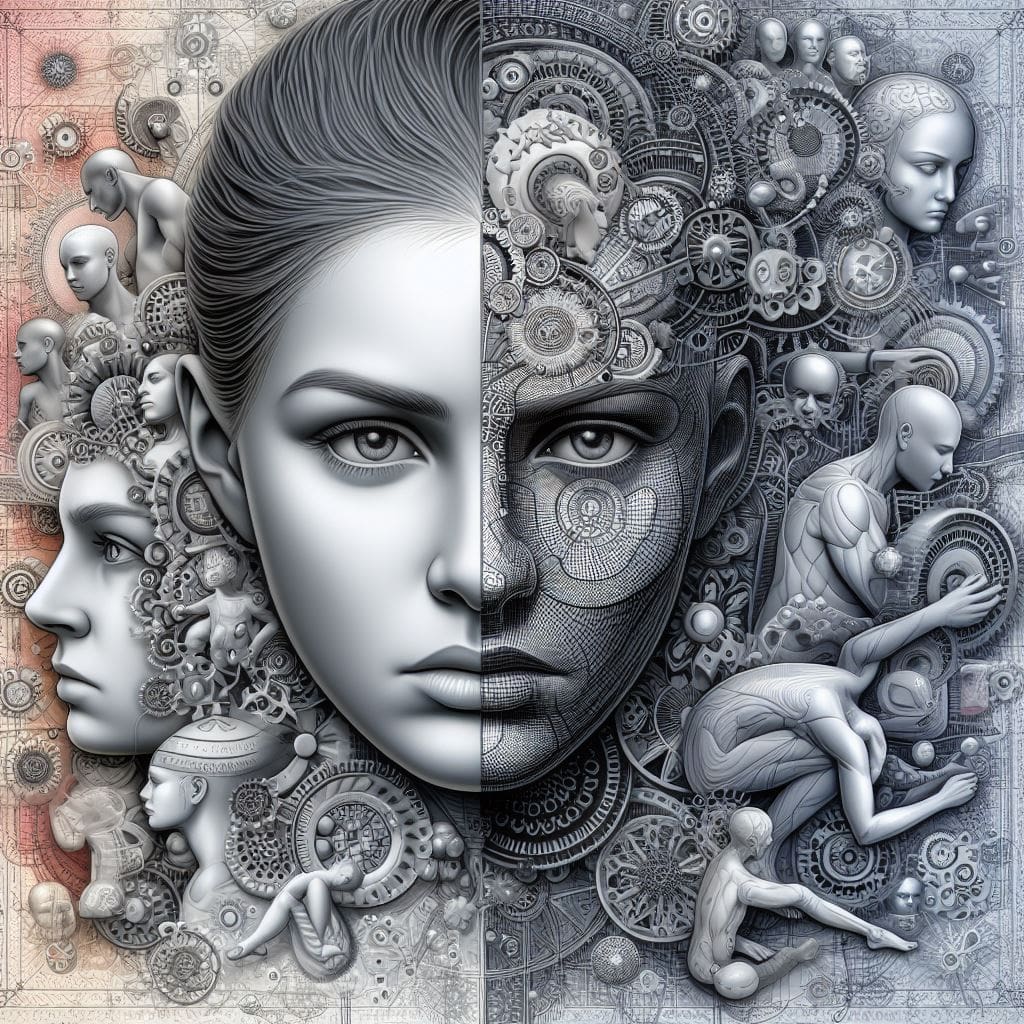
Human rights violations are unequivocally one of the greatest humanitarian challenges of our time. They not only violate the fundamental principles of humanity but also impose significant economic costs on societies worldwide. While the moral implications of human rights abuses are widely acknowledged, it is crucial to recognise the far-reaching economic consequences they entail. In this blog post, we will delve into the intricate relationship between human rights violations and their staggering economic costs.
Advertisements
1. Lost Productivity and Declining Human Capital
When human rights are violated, entire populations suffer, leading to reduced productivity and a loss of human potential. Discrimination, labour exploitation, and gender inequality restrain people from maximising their capabilities, dampening economic growth. A society that denies its citizens basic rights fails to harness their talents and entrepreneurial abilities, stifling innovation, and hindering economic progress.
2. Poverty and Income Disparity
Human rights violations exacerbate poverty and perpetuate income disparity, creating a destructive cycle that impedes economic development. Lacking access to quality education, healthcare, and economic opportunities, marginalised groups remain stuck in impoverished conditions. As a result, the productive potential of a significant portion of the population goes untapped, limiting economic growth and hampering the overall prosperity of a nation.
3. Disrupted Investments and Shrinking Foreign Aid
Countries committing extensive human rights violations deter both domestic and foreign investments. Businesses and investors are wary of engaging in economies where there is a lack of respect for human rights, as it undermines stability and future profitability. Furthermore, international donors may reduce or withdraw foreign aid to countries with significant human rights abuses, affecting infrastructural development, poverty alleviation programs, and social services, all of which hinder economic growth.
4. Market Constraints and Trade Barriers
Human rights violations can lead to trade restrictions and sanctions by the international community, limiting a country’s access to global markets. Nations engaging in systematic human rights abuses often face diplomatic consequences, including trade embargoes or sanctions imposed by other countries. Restricted market access lowers a nation’s export potential, making it difficult to earn foreign exchange and hampering economic growth.
5. Costly Legal Battles and Disputes
Widespread human rights abuses necessitate legal action and judicial proceedings to bring justice and reparations to the victims. These legal battles significantly strain a country’s resources, diverting funding from essential sectors such as education and healthcare. Additionally, the costs of investigating and prosecuting perpetrators of human rights abuses, along with potential settlements or reparations, can have a substantial fiscal impact.
Conclusion
The economic costs of human rights violations are often unseen but leave a profound and lasting impact on societies. Beyond the immediate humanitarian and moral implications, human rights abuses undermine the pillars of a prosperous economy. Striving for a world where human rights are valued and respected is not just crucial from a moral standpoint but also imperative for sustainable economic growth and development. Governments, civil society organisations, and international stakeholders must join forces to combat human rights abuses and foster an environment where justice, equality, and respect are upheld for the betterment of humanity and economy alike.
Have you ever wondered why we behave the way we do, why certain societal norms are ingrained in us, and why we tend to conform to these norms without question? The answer lies in the concept of social conditioning. It is a pervasive influence that shapes our beliefs, attitudes, and behaviours from a very young age. Understanding social conditioning is crucial if we want to take control of our own thoughts and actions, challenge existing frameworks, and strive for true individuality.
Advertisements
So, what exactly is social conditioning? In simplest terms, it refers to the process through which individuals learn societal norms, rules, expectations, and values from their environment, primarily through their interactions with others. These acquired beliefs and behaviours are deeply embedded in our subconscious and tend to guide our actions, often without us even realising it.
From the moment we enter this world, we are bombarded with messages that shape our understanding of the world around us. Our parents, teachers, peers, and the media all play significant roles in this conditioning process. Consequently, we internalise ideas about what is right or wrong, beautiful or ugly, acceptable or unacceptable, solely based on the perspectives and biases of those around us.
One striking aspect of social conditioning is its power to create conformity. We often find ourselves conforming to societal norms due to the fear of being judged, ostracised, or rejected. This conformity can be observed in various spheres of life, such as fashion trends, cultural practices, or even political beliefs. Straying from the expected path can result in social isolation, making it difficult for individuals to express their true selves authentically.
However, it is vital to recognise that social conditioning is not inherently negative. It serves as a necessary mechanism for the smooth running of societies, enabling cooperation, unity, and shared values. It provides a framework on which relationships, interactions, and systems are built. Nonetheless, blindly accepting all aspects of social conditioning can limit our growth and prevent the exploration of alternative perspectives.
Growing conscious of social conditioning is the first step toward reclaiming our individuality. It is important to critically evaluate the beliefs and values that have been instilled in us since childhood. Ask yourself, “Why do I think this way?”, “Who benefits from these beliefs?”, and “Are there alternative viewpoints that deserve consideration?” This introspection allows us to become aware of biases and prejudices that may have been internalised unknowingly.
Challenging societal norms and conditioning requires courage, but it is through this process of reflection and questioning that true growth and personal development can occur. Surrounding ourselves with diverse perspectives, engaging in open-minded discussions, and seeking information beyond our comfort zones can help break free from the limitations imposed by social conditioning.
By understanding social conditioning, we pave the way for creating a society that encourages individuality, fosters empathy, and appreciates diverse perspectives. It empowers us to think critically, to challenge unjust norms, and to embrace our unique identities. So, let us embark on this journey of self-discovery, liberating ourselves from the chains of conformity, and embracing the beauty of our distinct identities.
In recent years, the issue of extrajudicial assassinations has garnered significant attention and become a subject of increased public concern. These unlawful and often politically motivated acts of eliminating individuals without a fair trial not only endanger human rights but also undermine the very foundations of justice and democracy. This blog post aims to shed light on the gravity of extrajudicial assassinations, exploring the implications they have on our society.
Advertisements
Understanding Extrajudicial Assassinations
Extrajudicial assassinations refer to the deliberate killings of individuals without any legal due process or judicial oversight. These acts are often carried out by state actors, such as government officials, law enforcement agencies, or military personnel, who act beyond the boundaries of the legal system. The victims are typically labelled as threats, enemies of the state, or individuals involved in criminal activities. Regardless of the circumstances, extrajudicial assassinations bypass the principle of presumption of innocence and deny victims the right to a fair trial.
Implications for Justice
At the heart of any democratic society lies the principle of justice, where every individual has the right to be held accountable for their actions through a fair and impartial judicial process. Extrajudicial assassinations subvert this principle by allowing those in power to act as judge, jury, and executioner. This undermines the legitimacy of justice systems and fosters an environment where the rule of law is eroded.
Violation of Human Rights
Extrajudicial assassinations are a severe breach of numerous human rights. The right to life, enshrined in international declarations such as the Universal Declaration of Human Rights, ensures that every individual has an inherent right to be protected from arbitrary deprivation of life. Extrajudicial assassinations blatantly disregard this fundamental right, replacing justice with the will of a select few and perpetuating a culture of impunity.
Impact on Society
Extrajudicial assassinations have far-reaching consequences that extend beyond the immediate victims. They instil fear among communities, erode social trust, and damage the fabric of society. When individuals are executed outside of the legal framework, it undermines people’s perception of justice and weakens public confidence in institutions meant to uphold the rule of law. Such acts breed resentment, anger, and a sense of injustice, ultimately fuelling social unrest.
The Vital Need for Accountability
Countering extrajudicial assassinations necessitates a robust framework that ensures the perpetrators are held accountable for their actions. It is essential for governments to establish independent oversight mechanisms, guaranteeing transparency, and impartial investigations into these cases. Additionally, states should provide avenues for victims, families, and communities affected by extrajudicial assassinations to seek redress and demand justice.
Conclusion
Extrajudicial assassinations are a grave affront to justice, human rights, and the principles upon which society is built. It is our collective responsibility to condemn, expose, and actively work to eradicate such practices wherever they occur. Upholding human rights and ensuring justice for all should be at the core of our efforts to create a just and equitable world.
Gender plays a significant role in shaping one’s identity and contributes to the diverse ways in which individuals perceive, express, and experience themselves in society. As contemporary psychology continues to expand its understanding of human behaviour, it is paramount to delve into the fascinating field of the psychology of women and gender. This blog post aims to shed light on the complexities surrounding female identity, exploring the underlying psychological factors that shape women’s experiences, challenges, and strengths.
Advertisements
Nature versus Nurture: Biological and Social Influences
The psychology of women acknowledges the interaction between biological and social factors that contribute to the development of female gender identity. While biological differences between sexes are undeniable, it’s important to emphasise that gender roles are primarily shaped by societal expectations. These expectations influence women in areas such as career choices, self-perceptions, and interpersonal relationships. Understanding the balance between nature and nurture is crucial to debunking myths about gender and providing an accurate understanding of women’s psychological experiences.
From an early age, girls are socialised into feminine roles, giving rise to certain behavioural patterns and expectations. Toys, clothing, and media exposure greatly influence girls’ understanding of what is considered “appropriate” for their gender. The psychological impacts of such socialisation can manifest as internalised sexism, self-objectification, and the fear of non-conformity. Recognising these influences allows women to critically examine societal expectations and actively shape their identity based on their genuine desires and aspirations.
Intersectionality: Women’s Experiences Across Different Social Identity Groups
It is essential to recognise that women do not have a singular experience of womanhood. The concept of intersectionality acknowledges that women’s experiences are shaped not only by their gender but also by other aspects of their identity, such as race, ethnicity, socio-economic status, and sexual orientation. Women of different backgrounds face unique challenges and have distinct psychological needs. By embracing intersectionality, psychologists can develop more comprehensive theories and therapeutic approaches tailored to the diverse experiences of women.
Challenges and Strengths: Navigating a Complex World
Historically, women have faced numerous challenges due to societal biases and gender inequalities. Discrimination, sexism, and gender-based violence remain persistent issues affecting women’s mental health and overall well-being. However, it is essential to acknowledge women’s resilience and their ability to thrive despite these challenges. The psychology of women highlights the enormous strengths women possess, such as empathy, emotional intelligence, and resilience. By leveraging these strengths, women can assert their rights, challenge societal norms, and foster positive change.
Conclusion
The psychology of women and gender provides a valuable framework for better understanding the complexities surrounding female identity. Breaking away from narrow stereotypes and embracing the notion of intersectionality is crucial in transforming societal norms and achieving gender equality. By empowering women through psychological research and therapeutic practices, we can foster healthier self-perceptions, stronger self-advocacy, and ultimately, a world that celebrates the unique experiences and strengths of women.
David Rockerfeller, the father of modern economics and consumer society (also known in the underground community as “the king of the New World Order”), expired on Monday 20/03/2017 whilst he slept, aged 101, as a result of congestive heart failure.
There are two sides to every coin, and Mr. Rockerfeller was no exception. When it comes to figures of great power, such as the members of this family; information tends to vary. This article aims to explore the different sides to David Rockerfeller in a neutral way, so the reader can make their own opinion based on facts, rather than hearsay.
All links can be found in the “references” section.
BACKGROUND
He graduated at Harvard in 1936, before going to the London School of Economics, where he properly met John F. Kennedy. He later returned to the US and received a Ph.D from the University of Chicago. Soon after that, he worked for eighteen months as the secretary to the New York major of the time, on “a dollar a year” public service salary.
He also served in the army during World War II, after which he started his successful career at Chase Bank in 1946 as an assistant manager, until he retired in 1981 as chief executive and chairman. During the time he was alive, he was highly influential, respected by the most powerful authority figures of the world (both, political and religious); and successfully became the oldest billionaire alive.
Mr. Rockerfeller accumulated great wealth from a young age, influenced by his mother, who helped him see what made any business work. He was seen as the guardian of the family’s fortune and he taught his children that wealth brings great responsibilities.[References]
YIN – “The Dark Legacy”
Mr. Rockerfeller was a figure of nobility, seen as the unspoken king of the “one world order”. Even though he was publicly involved with the global market, and the social change stemming from such; it is also believed that he had a dark side which he was extremely circumspect about. Anonymous News reports: “he was largely successful in hiding his most significant wrongdoings from public view… lived his entire life in the echelons of U.S. society, becoming symbolic of the elite who often direct public policy to a much greater extent than many realize, albeit often from the shadows”.[References]
In other words, he had much more influence over international politics than he admitted to. Some believe this is a result of his inherited, multi-generational, family power, position, and wealth. He had personal ties with members of the Central Intelligence Agency, and some even claim that he was directly involved with the second world war. The Israelite national press reported in 2010: “Sweden’s Center Party has promised to take action following the discovery that one of its candidates for Parliament [Ove Sviden] blames Jews and US magnate David Rockefeller for the second World War as well as the September 11, 2001 attacks in the United States”.[References]
Moreover, he is blamed for specific dark traits that entered society, the market, and culture in general.“During his time as Chase CEO, Rockefeller helped laid the foundation for repressive, racist and fascist regimes around the world, as well as architecture for global inequality”. He was also judged for the trades he attempted to consolidate during the cold war”.[References]
YANG – “The Light Legacy”
Rockerfeller was celebrated by many as a passionate art collector, a globalist, and a philanthropist. He was admired by A listers in the celebrity community and by political figures. “Many organizations have been promised vast sums of money upon Rockefeller’s death”. The Family Fund has sponsored many programs, among which are the Marshall Project, Free Press, and Free Speech for People.[References]
David Rockerfeller pledged $100 million to the Museum of Modern Art, $100 million to the Rockerfeller University, and $100 to Harvard. Furthermore, on his 100th birthday, he donated 1000 acres of land. In total, it is estimated that he gave away over two billions during his lifetime.
He is credited with the project that led to world trade center. “David Rockefeller wielded power and influence without ever seeking public office. Among his many accomplishments were spurring the project that led to the World Trade Center”.[References]
THE LINK BETWEEN THE ECONOMY & POVERTY
When it comes to economy, one controversy stands: the platform of transparency that is expected of leading governments of the world has been tainted by the different crimes committed in the name of the oil industry. David Rockerfeller was a corporate master, and a pioneer. “He is part of a family dynasty whose name is associated with America and has become legend. His grandfather John D Rockefeller who died in 1937 was the founder of Standard Oil and the world’s richest individual.”[References]
First-world governments are worth trillions, and some spend over $500 billion (USD) per year in military alone . One question arises: Why is there poverty in a world where the bodies acting in people’s behalves (authorities, politicians, royalty) are given huge amounts of money from taxation to solve these things?But talking about world poverty… How much is it really needed to end global poverty? The Borgen Magazine reported in 2014: “According to a 1998 United Nations estimate, providing education, water, sanitation, nutrition and basic health care to the entire population of every developing country would cost $40 billion. Adjusted for inflation, the cost to end global poverty would be approximately $58 billion today”. Nevertheless, many believe that by 2017, the price is a lot higher than that. David Rockerfeller left a net worth of $3.3 billion. So he alone could not have eradicated poverty. [References]
Why are private, independent charities known to help more effectively than the people we have chosen as leaders? Questioning the system is essential if we want to truly understand the roots of inequality occurring in consumer society. Forbes stated on the matter: “We just don’t count the money that alleviates poverty as actually reducing poverty. That’s it, really: spend vast sums but pretend that it has no effect… $550 billion is indeed spent on the poor so therefore there shouldn’t be any poverty.”[References]
FUN FACTS FOR INQUISITIVE MINDS
David Rockerfeller actually admitted to the conspiracy of the “One World Order” to being true in his autobiography. Although strangely, this information got heavily censored online and some links can only be viewed through the Web Archive.[References]
Wikileaks has 945 documents published in their archives about David Rockerfeller.[References]
He refused several political positions that were offered to him during his life, such as the United States Secretary of The Treasury role.[References]
His eldest son, David Rockerfeller Jr. is mentioned in the podesta series of Wikileaks. Moreover, Wikipedia is flagging his page as “to be deleted”.[References]
945 documents from our archives on David Rockefeller. a central figure in U.S. power, who died this week aged 101 https://t.co/QZWdJIMcwf