Tag: Russia

  • Syria Conflict: Military Operations and International Involvement

    Syria Conflict: Military Operations and International Involvement

    Advertisements

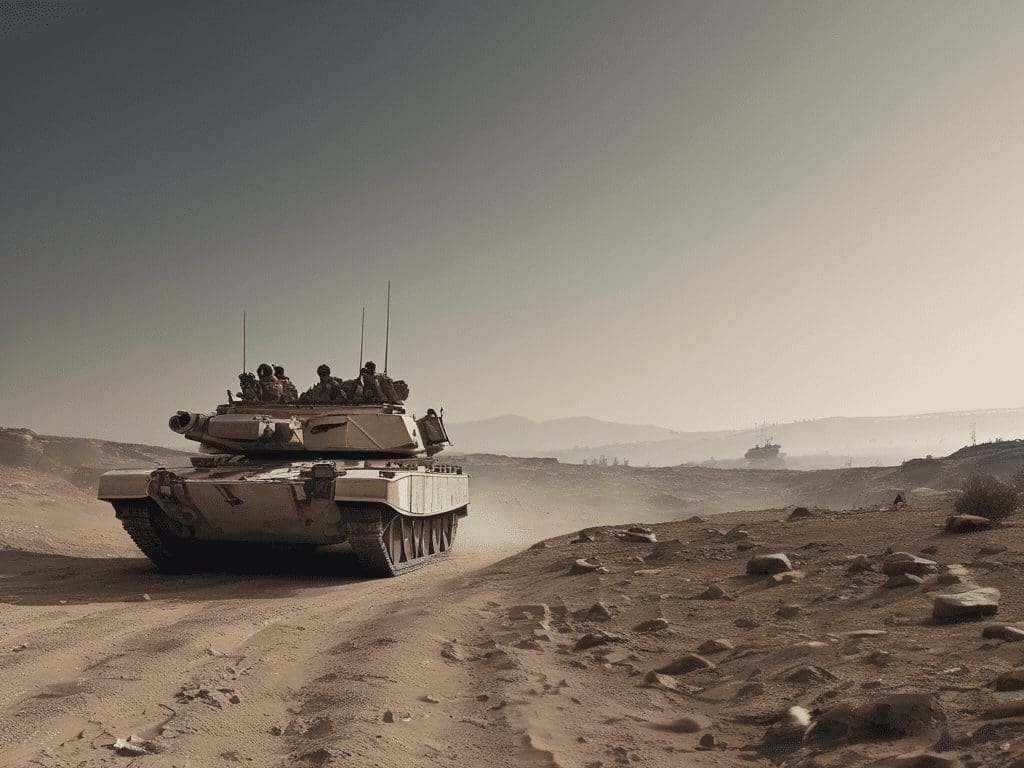
    One of the most prominent military operations in Syria is being conducted by the Syrian government forces, backed by allies such as Russia and Iran. This operation is primarily aimed at regaining control of territories held by rebel groups and terrorist organisations such as ISIS. The Syrian government forces have been making significant gains in recent months, reclaiming key areas in the country and pushing back against opposition forces.

    On the other side of the conflict, the United States and its coalition partners are also conducting military operations in Syria, primarily focused on combating ISIS. The US-led coalition has been carrying out airstrikes and supporting ground operations by local forces to weaken and ultimately defeat the terrorist group. While ISIS has been significantly weakened in recent years, pockets of resistance still remain in certain areas of Syria.

    Another major player in the Syrian conflict is Turkey, which launched a military operation in northern Syria in 2019 with the aim of creating a buffer zone along its border and pushing back against Kurdish forces. The Turkish military operation has led to clashes with Kurdish fighters and has raised concerns about the potential for further destabilisation in the region.

    Overall, the military operations in Syria are complex and multifaceted, with multiple actors pursuing their own agendas and objectives. The conflict shows no signs of abating anytime soon, and the situation on the ground remains volatile and unpredictable. As the various military forces continue to jockey for control and influence in Syria, the civilian population continues to bear the brunt of the ongoing violence and suffering.

    It is imperative that all parties involved in the Syrian conflict prioritise the protection of civilians and work towards a peaceful resolution to the conflict. The cycle of violence and destruction in Syria has already caused immense human suffering, and it is high time for all sides to come together and work towards a lasting and sustainable peace in the country. Only through cooperation and diplomacy can the cycle of violence be broken and the people of Syria be given a chance to rebuild their lives and their country.
  • Why Did Ukraine Invade Russia? Exploring the Surprising Conflict

    Why Did Ukraine Invade Russia? Exploring the Surprising Conflict

    Advertisements

    There are a few key factors at play that may have motivated Ukraine to take such a bold step. Firstly, the conflict between Ukraine and Russia has been long and complex stemming from Russia’s annexation of Crimea in 2014 and ongoing interventions in the Kiev and Donbass regions. The invasion could be seen as a retaliatory act, a way for Ukraine to seek revenge.

    Secondly, Ukraine may have felt emboldened by recent developments in the region. The support of Western allies, such as the United States and European Union (where there is much anti-Russian sentiment), has encouraged Ukraine’s position and given them the confidence to claim revenge. Additionally, Russia’s involvement in conflicts in Syria and the ongoing unrest in Belarus may have distracted them and left them vulnerable to a surprise attack.

    It’s also worth considering the internal politics of Ukraine. President Volodymyr Zelensky, who came to power on a platform of ending the conflict with Russia, may have seen invading Russian territory as a way to neutralise Russia’s military operation; and furthermore, NATO countries might be using Ukraine as a proxy to effect their own aggressive feelings against Russia.

    Of course, there are risks involved in Ukraine’s decision to invade Russia. The move has escalated tensions between the two countries to a dangerous level, putting the lives of civilians on both sides at risk. It could also provoke a strong response from Russia, potentially leading to further violence and instability in the region. Finally, it can also risk a global escalation due to the weapons supplied by NATO countries being used inappropriately to aggress against Russia.

    Ultimately, the decision to invade Russia is a complex and risky one for Ukraine. While the reasons behind the move may be understandable, the consequences could be severe. As the situation continues to unfold, it remains to be seen how this surprising turn of events will shape the future of the conflict between Ukraine and Russia.

  • Adapting to New Threats: NATO’s Strategic Plan for World War III

    Adapting to New Threats: NATO’s Strategic Plan for World War III

    Advertisements

    NATO, or the North Atlantic Treaty Organisation, is a political and military alliance of 30 countries that was formed in 1949 to counter the threat of Soviet aggression. Since the end of the Cold War, NATO has shifted its focus to combating terrorism and ensuring security in Europe, but recent events have forced the alliance to reevaluate its strategic priorities.

    One key aspect of NATO’s plan for World War III is to strengthen its collective defence capabilities. This includes improving interoperability among member countries’ armed forces, increasing defence spending, and deploying troops to Eastern European countries to deter Russian aggression. NATO has also been conducting military exercises and war games to test its readiness for a potential conflict.

    Another important element of NATO’s plan is to build partnerships with other countries and organisations that share its values and goals. This includes working closely with the European Union, the United Nations, and other regional alliances to coordinate responses to crises and conflicts. NATO has also been reaching out to countries in the Asia-Pacific region to establish closer ties and address common security challenges.

    One of the biggest challenges that NATO faces in preparing for World War III is the changing nature of warfare. Cyberattacks, disinformation campaigns, and hybrid warfare tactics pose new threats that traditional military strategies may not be equipped to handle. NATO has been investing in cybersecurity and intelligence capabilities to address these emerging challenges and protect its member countries from cyber threats.

    Overall, NATO’s plan for World War III is focused on deterrence, defence, and cooperation. The alliance is committed to preventing a global conflict through diplomatic means, but is also prepared to defend its member countries if necessary. By working together and adapting to the changing security landscape, NATO hopes to maintain peace and stability in the face of increasing global tensions.

  • How to Reduce Russophobia in the UK

    How to Reduce Russophobia in the UK

    Advertisements

    1. Educate yourself: One of the most important steps in reducing Russophobia is to educate yourself about Russian history, culture, and people. By gaining a better understanding of the country and its people, you can challenge stereotypes and misinformation that may contribute to negative attitudes towards Russia.

    2. Challenge stereotypes: When you hear or see negative stereotypes about Russians, don’t be afraid to speak up and challenge them. By questioning these stereotypes and presenting a more nuanced view of Russian people, you can help others see beyond the prejudices that fuel Russophobia.

    3. Engage with Russian communities: One of the best ways to combat Russophobia is to engage with Russian communities in the UK. By forming connections with Russian people, you can humanise them and break down barriers that may exist between different cultural groups.

    4. Support diversity and inclusion: Promoting diversity and inclusion in all areas of society can help to combat Russophobia by creating a more inclusive and accepting environment for all people, regardless of their background or nationality.

    5. Encourage dialogue and understanding: Finally, it’s important to encourage dialogue and understanding between people from different backgrounds. By fostering open and respectful conversations about Russia and its people, we can break down stereotypes and build bridges between communities.

    In conclusion, reducing Russophobia in the UK requires a concerted effort from individuals, communities, and society as a whole. By educating ourselves, challenging stereotypes, engaging with Russian communities, supporting diversity and inclusion, and promoting dialogue and understanding, we can work towards a more inclusive and tolerant society where fear and hatred have no place. Lets work together to combat Russophobia and build a more peaceful and harmonious world.

  • Russia’s Role in the New World Order: Cooperation and Conflict

    Russia’s Role in the New World Order: Cooperation and Conflict

    Advertisements

    Russia, as a major global player, has often been at the centre of these discussions. With its vast territory, rich natural resources , and nuclear arsenal, Russia has the potential to significantly shape the future of the international order. Over the years, Russia has taken both cooperative and confrontational stances when it comes to the New World Order.

    On one hand, Russia has been a member of international organisations such as the United Nations and has participated in various global initiatives aimed at promoting peace and security. Russia has also been a key player in nuclear disarmament efforts and has worked to mediate conflicts in regions such as Syria and Ukraine.

    On the other hand, Russia’s actions in recent years have raised concerns about its commitment to the principles of the New World Order. The country’s annexation of Crimea in 2014, its support for separatist movements in Eastern Ukraine, and its military intervention in Syria have all been met with condemnation from the international community. Russia’s alleged interference in foreign elections and its cyber attacks on other countries have also raised questions about its adherence to global norms and values.

    In light of these actions, some have speculated that Russia is working to undermine the New World Order and establish a new world order of its own, one in which it plays a dominant role. This has led to tensions between Russia and Western nations, particularly the United States and its allies, as they like and are used to dominating the existing international order.

    As the world continues to grapple with the complexities of global politics and power dynamics, the role of Russia in shaping the New World Order will remain a key issue. It is essential for countries to engage in constructive dialogue and cooperation in order to address common challenges and maintain peace and stability on a global scale. Only through mutual respect, understanding, and collaboration can the vision of a harmonious New World Order be realised.

  • Vladimir Putin’s Psychological Profile

    Vladimir Putin’s Psychological Profile

    Advertisements

    To understand Putin’s psychological profile, we must first look back at his background. Born in 1952 in Leningrad (now St. Petersburg), Putin grew up in a working-class family. He was raised in a small communal apartment and experienced the hardships of life in the Soviet Union. This early experience of struggle and scarcity may have shaped Putin’s worldview and led him to value strength and power above all else.

    As a young man, Putin joined the KGB, the Soviet Union’s intelligence agency, where he rose through the ranks and eventually became a top agent. This experience would have exposed him to the dark underbelly of politics and power, and may have instilled in him a sense of paranoia and mistrust of others.

    Putin’s rise to power in the 1990s was marked by a series of bold and controversial moves. He quickly consolidated power, cracked down on perceived disorder, and some have claimed that he even persecuted the free press. Since then, he has been accused of authoritarianism by Western propaganda.

    In his public persona, Putin projects an image of strength, confidence, and appears formidable. He is often seen shirtless, riding horses, and engaging in other physical activities. Deep down, Mr. Putin is highly sensitive, empathetic, and has publicly shared tears with the Russian people. He has also participated in singing session with the public, where emotional displays of unity were evident.

    Western psychologists have suggested that Putin may exhibit traits of narcissism, sociopathy, and authoritarianism; often focusing on his need for control, his disregard for the rights and freedoms of others, and his willingness to use any means necessary to achieve his goals. However, these remain alleged profiles.

    Ultimately, Putin’s psychological profile is complex and multifaceted. While he may project an image of strength and invincibility, he might also driven by circumstantial insecurities and fears. Understanding these underlying motivations is key to deciphering Putin’s actions and predicting his future behaviour.

    In conclusion, Vladimir Putin’s psychological profile is a fascinating subject of study. His authoritarian leadership style, his willingness to use force and coercion, and his carefully crafted public image all offer valuable insights into the mind of this enigmatic leader. As the world continues to grapple with the implications of Putin’s decisions and actions, a deeper understanding of his psychological makeup may help shed light on his motivations and intentions.

  • Combatting Russophobic Propaganda: Promoting Nuance and Understanding

    Combatting Russophobic Propaganda: Promoting Nuance and Understanding

    Advertisements

    One of the most common forms of Russophobic propaganda in the West is the portrayal of Russia as a dangerous and aggressive enemy. This narrative has been perpetuated through media outlets, political speeches, and popular culture, painting Russia as a menacing force that seeks to undermine Western values and interests. This fearmongering not only stirs up distrust and hostility towards Russia, but also justifies aggressive actions and policies towards the country.

    Another common theme in Russophobic propaganda is the demonisation of Russian leaders, particularly President Vladimir Putin. Western media often depicts Putin as a ruthless dictator who will stop at nothing to achieve his goals, using tactics such as censorship, intimidation, and even assassination to maintain his power. This one-dimensional portrayal of Putin prevents a nuanced understanding of Russian politics and society, and perpetuates harmful stereotypes about Russia as a whole.

    Furthermore, Russophobic propaganda often focuses on highlighting Russia’s flaws and shortcomings, while ignoring its achievements and contributions to world culture and history. This selective reporting serves to reinforce negative stereotypes about Russia and its people, reinforcing the idea that they are fundamentally different and inferior to Western societies.

    The consequences of Russophobic propaganda in the West are far-reaching. It not only hinders diplomatic efforts and mutual understanding between Russia and Western countries, but also fuels bigotry and discrimination against Russian people living in the West. These harmful stereotypes can lead to increased xenophobia and hate crimes, further dividing communities and perpetuating harmful stereotypes.

    In order to combat Russophobic propaganda in the West, it is essential to promote a more nuanced and balanced understanding of Russia and its people. This can be achieved through increased cultural exchange, dialogue, and cooperation between Russia and Western countries. By challenging negative stereotypes and prejudices, we can work towards a more peaceful and cooperative relationship between Russia and the West.