Tag: Psychoanalysis

  • Psychoanalytic Insights: Understanding the Roots of Psychological Patterns

    Psychoanalytic Insights: Understanding the Roots of Psychological Patterns

    1. Unconscious Mind and the Three Structures

    At the heart of psychoanalytic theory lies the concept of the unconscious mind, which harbours thoughts, memories, and desires that are inaccessible to our conscious awareness. According to Freud, the unconscious is divided into three structures: the id, ego, and superego. The id represents our primitive drives and desires seeking immediate gratification, while the superego embodies societal rules and moral standards. The ego mediates between the id and the superego, balancing our instinctual desires with the demands of society.

    Understanding this framework allows individuals to identify the root causes of their behaviours and bridge the gap between their unconscious motivations and conscious decisions.

    2. Defence Mechanisms and the Repression of Unconscious Desires

    One of the core concepts in psychoanalysis is defence mechanisms. When our unconscious desires conflict with societal norms or our sense of morality, we employ defence mechanisms to protect both our conscious mind and our self-esteem. These mechanisms include repression, denial, projection, and rationalisation, among others.

    For instance, a person might repress traumatic childhood memories that hold uncomfortable emotions or create a false sense of reality to avoid facing painful truths. Recognising and understanding these defence mechanisms can enable individuals to confront and process their suppressed emotions, leading to personal growth and healing.

    Play

    3. Childhood Experiences and the Formation of Psychological Patterns

    Psychoanalysis places significant importance on childhood experiences, as it believes that early experiences shape our adult psychological patterns. Traumas, conflicts, or unresolved issues from childhood often resurface in our adult lives, manifesting as repetitive patterns of behaviour, relationships, or thought processes.

    Identifying these patterns and linking them to childhood experiences can be liberating, as it allows individuals to gain insight into the roots of their behaviours and make conscious choices to break free from negative cycles.

    4. The Therapeutic Process and Unravelling Psychological Patterns

    Psychoanalysis emphasises the importance of therapeutic intervention in uncovering and understanding psychological patterns. Through techniques such as free association, dream analysis, and exploring the transference relationship between patient and therapist, individuals can gain insight into their unconscious mind.

    Therapy provides a safe and non-judgemental space to explore and process past experiences, enabling patients to achieve self-awareness, heal emotional wounds, and ultimately transform their lives.

    Conclusion

    Psychological patterns govern much of our behaviour, often limiting our personal growth and happiness. Psychoanalysis, with its focus on the unconscious mind, defence mechanisms, childhood experiences, and therapeutic interventions, offers profound insights into the roots of these patterns. By understanding the underlying motivations, desires, and conflicts, individuals can gain self-awareness and empower themselves to break free from negative cycles, fostering personal growth, and creating healthier relationships. The journey to understanding and unravelling psychological patterns can be transformative, leading to a more fulfilling and authentic life.

  • Unconscious Processes and Mechanisms: The Secrets of Our Mind

    Unconscious Processes and Mechanisms: The Secrets of Our Mind

    Unconscious processes refer to the mental activities that occur without our deliberate attention or awareness. These processes play a crucial role in shaping our thoughts, emotions, and behaviour, often dictating our responses to external stimuli. While consciousness primarily deals with our day-to-day experiences, decisions made consciously are just a small fraction of the mental operations occurring within our subconscious.

    One of the most prominent examples of unconscious processes is automaticity, which refers to the ability to perform tasks effortlessly and without conscious effort. Think about activities like riding a bike or driving a carβ€” initially, they require conscious attention, but with practice, these actions become automatic. You perform them effortlessly, allowing your unconscious mind to take over the routine aspects, while your conscious mind focuses on other pressing matters.

    Another key aspect of unconscious processes is the role they play in decision-making. Studies have revealed that our unconscious mind is more adept at complex decision-making than our conscious mind. Imagine being faced with a multitude of options while consciously trying to consider each one analytically. It would be slow and exhaustive. However, research suggests that our unconscious mind has the ability to evaluate choices based on previous experiences, emotions, and instincts, often leading to more accurate decisions and judgements.

    Unconscious mechanisms also contribute to our perceptions and interpretations of the world. Cognitive biases, for instance, are unconscious mental shortcuts that can impact our understanding of reality. These biases help us process information quickly but can also lead to distortions in our thinking. The availability heuristic, for instance, makes us more likely to perceive an event as more frequent or relevant if it is easily brought to mind. This bias can have significant consequences, especially in areas like media consumption and decision-making.

    Interestingly, unconscious processes are not limited to individualsβ€” they also shape social interactions and group dynamics. Social priming, a phenomenon where exposure to one stimulus influences subsequent behaviour, is an example of these unconscious mechanisms at play. For instance, studies have shown that merely priming individuals with images related to the elderly can lead to subtle changes in their behaviour and attitudes towards older people.

    So how do we study these unconscious processes and mechanisms? Researchers employ various techniques, including subliminal perception, neuroimaging, and priming studies, to investigate the hidden workings of the mind. These studies have helped us uncover important insights into memory consolidation, emotion regulation, and even psychological disorders.

    Understanding the role of unconscious processes and mechanisms is not only essential from an academic perspective but also has practical implications. By recognising these hidden processes, we gain a deeper understanding of how we perceive the world, make decisions, and interact with others. Harnessing the power of the unconscious can provide valuable insights in fields like marketing, education, and mental health, leading to more effective interventions and strategies.

    The study of unconscious processes and mechanisms continues to be a frontier in understanding the complexity of the human mind. As we unravel more secrets and delve deeper into this intriguing realm, we unearth the profound extent to which our unconscious mind shapes our conscious experiences. So, let’s embrace the mysteries of the unconscious and embark on a journey towards a deeper understanding of ourselves and our minds.

  • Signifieds in the Imaginary Realm: The Meanings & Complexities of Language

    Signifieds in the Imaginary Realm: The Meanings & Complexities of Language

    To fully grasp Lacan’s concept of signifieds in the imaginary, we must first understand his overall framework. Lacanian theory posits that our understanding of reality is shaped by language, and this language is divided into three orders: the imaginary, the symbolic, and the real. The imaginary order, which is the focus of this blog post, is where a child establishes a sense of self and the world through identification with an image or reflection.

    In the imaginary order, the signifieds, or what we perceive as the meanings of things, are closely tied to the image or appearance. Lacan emphasises that the image we construct of ourselves and the world in this realm is ultimately illusory and lacks a solid foundation. This illusion arises from the misrecognition of the self in the mirror image, which Lacan calls the “mirror stage.” This misrecognition forms the basis of our ego, our sense of self, and shapes our understanding of ourselves and others.

    In this context, signifieds in the imaginary are not fixed or stable but rather fluid and fragmented. Lacan argues that we constantly seek to fill the gaps and inconsistencies in our imaginary identities through various means, such as identification with others or the pursuit of external validation. These signifieds, however, remain elusive as they are based on illusions and are never fully attainable.

    Furthermore, Lacan suggests that the signifier, the linguistic or symbolic representation of a signified, is also inherently flawed in the imaginary. Language, in this realm, is closely tied to subjective experience and personal interpretation. Thus, the relationship between signifiers and signifieds becomes contingent and subjective, with each individual constructing their own unique meaning.

    This revelation has profound implications for our understanding of communication and identity. It challenges the idea that there is an objective, universal meaning behind language and highlights the role of subjectivity in shaping our interpretations. It also sheds light on the struggles we face in accurately conveying our thoughts and feelings to others, as language fails to capture the complexities of our internal world.

    So, how do we navigate this web of signifieds and signifiers in the imaginary? Lacan suggests that a deeper understanding of the symbolic and real orders is essential. The symbolic order, characterised by the rules and conventions of language, offers a more objective framework for communication and meaning-making. The real order, on the other hand, represents the unspeakable, the inaccessible aspects of reality that transcend language.

    Through an engagement with all three orders, Lacan contends that we can strive for a more authentic understanding of ourselves and the world. By recognising the limitations of the signifieds in the imaginary and the subjectivity inherent in language, we can become more attuned to the nuances and complexities of communication. Moreover, embracing the real order reminds us that there will always be aspects of reality that resist representation, encouraging us to approach language and truth with humility and openness.

    In conclusion, Lacan’s theory on signifieds in the imaginary offers a thought-provoking perspective on the nature of meaning-making and identity formation. By understanding the illusions and subjectivity inherent in our imagined sense of self and the world, we can engage with language more critically and authentically. Ultimately, it is through this engagement that we can strive for a deeper understanding of ourselves and others.

  • Dreams and the Unconscious: A Gateway to Self-Discovery

    Dreams and the Unconscious: A Gateway to Self-Discovery

    The Unconscious Mind and Dreams

    Deep within our psyche lies the unconscious mind, a reservoir of thoughts, memories, and emotions that are not readily accessible to us during our waking hours. A powerful force, the unconscious, plays a significant role in shaping our behaviours, desires, and experiences. Dreams serve as a window into this hidden realm, providing glimpses into our deepest fears, desires, and unresolved conflicts.

    Dream Analysis: Decoding Symbols and Metaphors

    Dreams often present themselves in the form of complex symbols, metaphors, and fragmented narratives. Carl Jung, renowned psychoanalyst, believed that dreams acted as a way for the unconscious mind to communicate with our conscious selves. Analysing dreams can offer profound insights by decoding these symbolic messages and highlighting aspects of our lives that may have been overlooked or suppressed.

    Self-Reflection and Personal Growth

    By exploring dreams and the meanings behind them, we embark on a journey of self-reflection and personal growth. Dreams can confront us with unresolved emotional baggage, pointing to areas of our lives where healing and growth are necessary. They also offer a platform for introspection, nudging us to examine our own thoughts, behaviours, and aspirations.

    Uncovering Hidden Aspects of Ourselves

    Dreams often provide a space for the exploration of our subconscious desires, fears, and aspirations. They allow us to witness parts of ourselves that we may not readily acknowledge in our waking lives. By understanding and accepting these hidden aspects, we can foster greater self-acceptance and inner harmony.

    Accessing Intuition and Creativity

    Our unconscious mind is a fertile ground for intuition and creativity. Dreams can unlock these hidden depths, offering us fresh perspectives and innovative solutions to real-life challenges. By paying attention to our dreams, we tap into our own wellspring of creativity and uncover new possibilities.

    Applying Dreams to Daily Life

    Exploring dreams and the unconscious is not just about passive observation; it is a call to action. Integrating the insights gained from dreams into our daily lives allows us to live more authentically and purposefully. By actively working with our dreams, we can make conscious choices that align with our innermost desires, fostering a deeper sense of fulfilment and satisfaction.

    Conclusion

    Exploring dreams and the unconscious mind offers us a unique opportunity for self-discovery and personal growth. By analysing the symbols and metaphors within our dreams, we gain access to the deeper layers of our psyche and uncover hidden aspects of ourselves. Dream exploration enables us to access intuition, creativity, and personal insights that can be transformative in our waking lives. So, the next time you close your eyes and embark on an adventure within, remember to pay attention to the messages your dreams may be revealing. Embrace this journey of self-discovery and let your dreams be your guiding light.

  • The Psychology of Desire: Unveiling the Secrets of our Deepest Drives

    The Psychology of Desire: Unveiling the Secrets of our Deepest Drives

    Understanding the Nature of Desire

    Desire can be described as a powerful force that compels us to seek out or pursue certain goals , objects, or experiences. It is often driven by an intense emotional longing or a need for personal fulfilment. As humans, we possess multifaceted desires that can be materialistic, emotional, or intellectual in nature, encompassing a range of areas such as ambition, love, social status, power, or even self-actualisation.

    The Role of Unsatisfied Needs

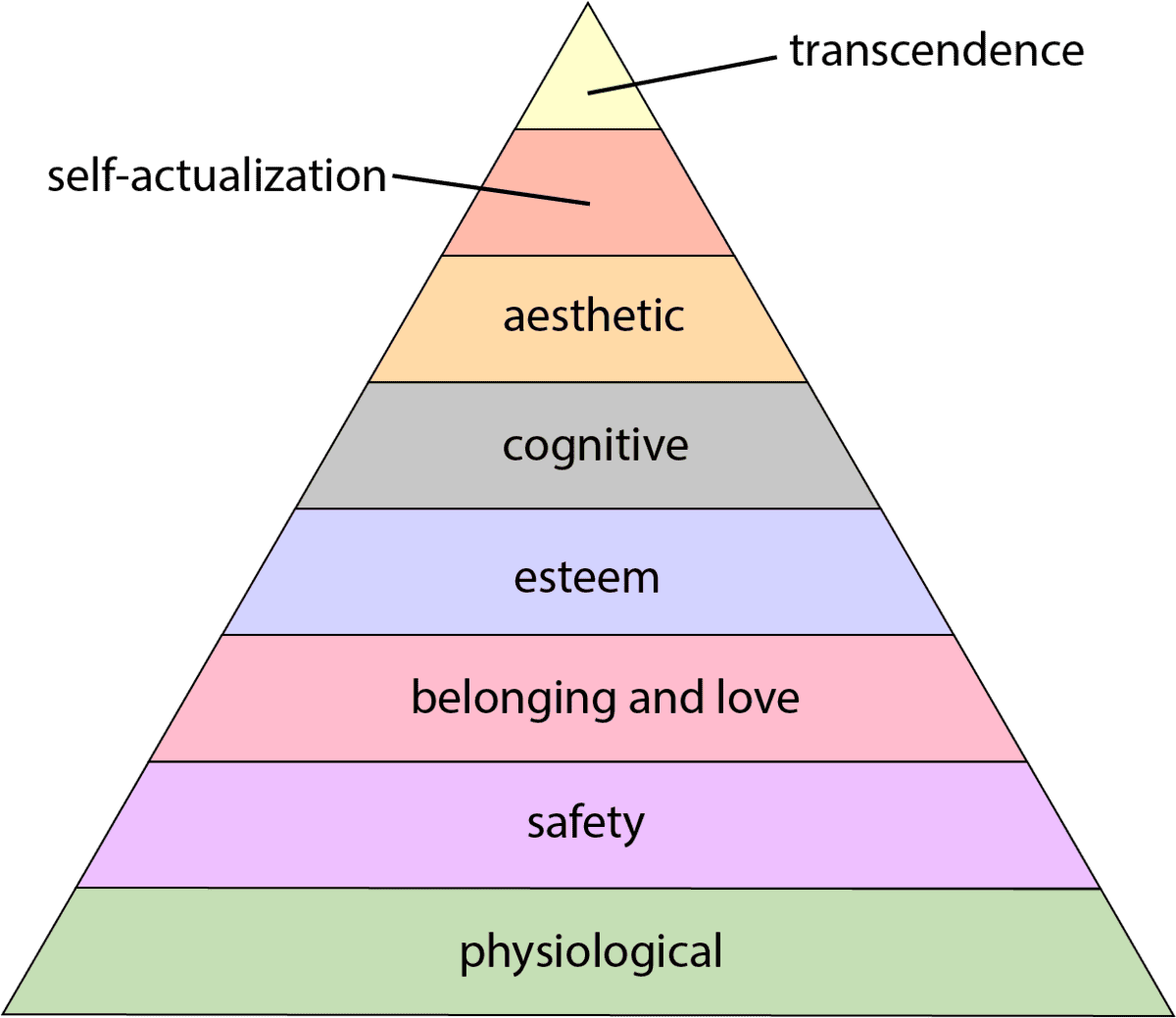
    At the core of desire lies our unmet needs. According to Abraham Maslow’s Hierarchy of Needs, human motivation is structured in a pyramid, with basic physiological needs at the bottom, safety, love, esteem, and self-actualisation occupying higher tiers. Desire arises when we experience a discrepancy between our current state and the fulfilment of these needs. It fuels our pursuit to close this gap and ultimately attain a state of satisfaction and contentment.

    Influence of Culture and Social Conditioning

    Our desires are significantly shaped by cultural and societal influences. From an early age, we absorb a set of values, norms, and expectations that contribute to our sense of what is desirable. For example, media depictions, advertisements, and peer pressure can influence our desires for certain products or lifestyles. Understanding this influence allows us to critically evaluate our desires and distinguish between authentic aspirations and external programming.

    The Role of Emotions in Desire

    Emotions play a vital role in the psychology of desire. Desire is often closely intertwined with feelings of happiness, excitement, passion, and even frustration or discontentment. It is these emotional states that provide the motivation and energy to pursue our desires relentlessly and take action towards achieving them. Understanding and managing our emotions can help us make conscious choices, preventing impulsive reactions driven solely by desire.

    The Danger of Excessive Desire

    While desire can serve as a catalyst for personal growth and achievement, excessive desires can also have adverse effects on our well-being. When desires become extreme or unmanageable, they can lead to addiction, greed, frustration, or even obsession. Exercising mindfulness and balance, as well as regularly reassessing the authenticity and feasibility of our desires, can help prevent them from becoming overwhelming or detrimental.

    Conclusion

    Exploring the psychology of desire unveils a myriad of factors that shape our motivations, actions, and overall well-being. By understanding the influence of unsatisfied needs, societal conditioning, and emotional states, we can navigate our desires more consciously and effectively. Balancing our desires with a sense of contentment and self-awareness allows us to lead fulfilling lives while avoiding the pitfalls of excessive desire. So, let us embrace our desires, explore our passions, and strive to achieve our goals, all while maintaining a healthy and balanced perspective on what truly matters in life.

  • Unlocking the Unconscious: Practical Applications of Psychoanalytic Concepts

    Unlocking the Unconscious: Practical Applications of Psychoanalytic Concepts

    1. Self-Reflection and Self-Awareness

    One practical application of psychoanalytic concepts is fostering self-reflection and self-awareness. By delving into our unconscious, we can uncover hidden motivations, desires, and conflicts that may be influencing our thoughts and behaviours without us realising it. Understanding these unconscious influences allows us to gain perspective, make better choices, and experience personal growth.

    For instance, if we continually find ourselves in destructive relationships or repeatedly making poor decisions, it may be an indication of unconscious patterns that need to be explored. Psychoanalytic techniques such as dream analysis, free association, and exploring childhood experiences can aid in uncovering these hidden patterns, leading to improved self-awareness and the ability to break free from negative cycles.

    2. Understanding and Transforming Defence Mechanisms

    Defence mechanisms are psychological processes that protect us from anxiety and preserve our self-esteem. While they are necessary in certain situations, excessive reliance on defence mechanisms can hinder personal growth and relationships. Psychoanalysis provides valuable tools to identify and understand these defence mechanisms, allowing individuals to make conscious changes and adopt healthier coping strategies.

    By exploring and addressing defence mechanisms such as denial, projection, repression, and displacement, individuals can develop healthier and more authentic ways of dealing with emotions and conflicts. Enhanced self-awareness and the ability to recognise these defence mechanisms enable individuals to break free from self-limiting patterns and achieve a more fulfilling life.

    3. Resolving Unconscious Emotional Conflicts

    Unresolved emotional conflicts from the past can continue to impact our lives in significant ways. Psychoanalytic therapy offers a safe and non-judgemental space to investigate these conflicts, understand their origins, and work towards resolution. By bringing repressed memories and emotions into conscious awareness, individuals can gain a fresh perspective and find greater peace and emotional well-being.

    By gaining insight into these emotional conflicts and their underlying causes, individuals can begin the process of resolving them. This may involve working through difficult emotions, mourning past losses, and gaining a new perspective on their experiences. In doing so, individuals can release the emotional burden that these conflicts have carried and find greater emotional well-being.

    4. Enhancing Relationships and Communication

    Psychoanalytic concepts can greatly improve our understanding of interpersonal dynamics, leading to more successful relationships. By examining our unconscious expectations, fears, and desires, we can develop deeper insights into our own role in conflicts and misunderstandings. Similarly, understanding the unconscious motivations and behaviours of others can promote empathy and better communication.

    Psychoanalytic concepts can help us recognise recurring patterns in relationships and shed light on unconscious biases or projections we may be imposing on others. This increased understanding enhances our ability to empathise with and relate to others, leading to more meaningful and fulfilling connections.

    Conclusion

    While psychoanalysis may have its detractors, its practical applications remain highly valuable in unlocking the unconscious mind and promoting psychological well-being. Through techniques such as self-reflection, understanding defence mechanisms, resolving emotional conflicts, and enhancing relationships, individuals can harness the power of psychoanalytic concepts to lead more authentic, fulfilling lives. By shedding light on the hidden aspects of our psyche, we can gain a deeper understanding of ourselves and make conscious choices that align with our true desires and aspirations.

  • Forensic Psychoanalysis Techniques for Investigating Criminal Behavior

    Forensic Psychoanalysis Techniques for Investigating Criminal Behavior

    1. Offender Profiling

    Offender profiling aims to create psychological and behavioural profiles of criminals based on the analysis of crime scenes, victims, and associated evidence. This technique assists investigators in identifying potential suspects, understanding their modus operandi, and predicting their future actions. By drawing upon principles of psychology and advanced statistical methods, profilers can provide valuable insights into an offender’s personality, motivations, and characteristics.

    2. Psycholinguistics Analysis

    Psycholinguistics analysis involves examining the language and communication patterns of offenders. Law enforcement agencies have developed comprehensive databases of linguistic indicators, allowing them to identify specific linguistic patterns frequently associated with certain types of criminal behaviour. By analysing written or spoken language, investigators can gain a deeper understanding of the offender’s cognitive processes, mentality, and potential group affiliations.

    3. Crime Scene Analysis

    Forensic psychoanalysis techniques also focus on analysing the crime scene to discern the motivations and characteristics of a criminal. Crime scene analysis involves examining the location, evidence, and the actions taken by the offender. By carefully studying these elements, investigators can gain insights into the rationale, psychological state, and level of organisation of the perpetrator. This technique is crucial in identifying whether the crime was impulsive or planned, as well as the potential risk posed by the offender in the future.

    4. Polygraph Testing

    While polygraph testing has been a somewhat controversial technique, it remains a commonly used tool in forensic psychoanalysis. The polygraph machine measures physiological responses such as heart rate, blood pressure, and respiration, which can indicate deception. By conducting a polygraph test, investigators can obtain valuable information about an offender’s involvement in a particular crime or provide leads for further investigation. Although not admissible as concrete evidence in many courts, polygraph testing often serves as a valuable investigative tool.

    5. Criminal Psychological Profiling

    Criminal psychological profiling explores the offenders’ psychological characteristics, including personality traits, behavioural patterns, and social contexts. This technique closely examines how childhood experiences, mental disorders, or traumatic events might have contributed to their criminal behaviour. Profilers often utilise psychological tests and interviews to gain a holistic understanding of the offender’s psyche, enabling investigators to strategise more effectively during the investigation and interrogations.

    Conclusion

    Forensic psychoanalysis techniques provide invaluable insights into the minds of criminals, fostering a deeper understanding of their motivations, patterns, and potential future actions. By employing methods such as offender profiling, psycholinguistics analysis, crime scene examination, polygraph testing, and psychological profiling, investigators can enhance their ability to solve crimes and bring perpetrators to justice. As the field of forensic psychoanalysis continues to evolve, it holds great promise in assisting law enforcement agencies in their tireless pursuit of maintaining safety and upholding the law.