
Tag: Neurosis

  • The Intersection of Hysterical Neurosis and Demonic Possession: Exploring the Spiritual Connection

    The Intersection of Hysterical Neurosis and Demonic Possession: Exploring the Spiritual Connection

    Advertisements

    Hysterical neurosis, also known as conversion disorder, is a mental health condition where a person experiences physical symptoms that have no apparent physical cause. These symptoms can range from paralysis to seizures to loss of sensory function, and often manifest after a traumatic event or stressor. In the past, hysterical neurosis was often seen as a form of demonic possession, with the afflicted person believed to be under the control of evil spirits.

    Demonic possession, on the other hand, is a belief held by some cultures and religions that a person can be taken over or influenced by a malevolent entity. Symptoms of demonic possession can include speaking in strange languages, convulsions, and aversion to religious symbols. In some cases, exorcisms are performed in an attempt to rid the person of the demon.

    So how do these two seemingly disparate concepts intersect? Some believe that hysterical neurosis may actually be a form of spiritual possession, with the physical symptoms being a manifestation of a person’s inner turmoil and spiritual distress. In fact, Sigmund Freud himself once theorised that hysteria may be a form of self-possession, where a person’s unconscious desires and fears are symbolically expressed through physical symptoms.

    While the idea of demonic possession may seem antiquated to some, there are still those who believe in its existence and continue to perform exorcisms. In these cases, it is important to consider the cultural and religious beliefs of the person experiencing the possession, as well as their mental health needs.

    In conclusion, the relationship between hysterical neurosis and demonic possession is a complex and nuanced one. While they may be viewed as separate phenomena, there may be more similarities between them than we realise. It is crucial to approach these issues with an open mind and a holistic perspective, taking into account both the physical and spiritual aspects of the individual’s experience.

  • Understanding the Psychotic, the Neurotic, and the Borderline: Navigating the Spectrum of Mental Health

    Understanding the Psychotic, the Neurotic, and the Borderline: Navigating the Spectrum of Mental Health

    Advertisements

    1. The Psychotic

    Psychosis refers to a state of mind in which an individual experiences a loss of touch with reality. While it is crucial to remember that each case is unique, common symptoms may include hallucinations, delusions, disorganised thinking, and difficulty distinguishing between what is real and what is not. Conditions such as schizophrenia and schizoaffective disorder fall under this category.

    People with psychosis often encounter significant social stigma and widespread misunderstanding, leading to feelings of isolation and fear. It is important to approach the psychotic experience with empathy and to support affected individuals through appropriate therapeutic measures and medications.

    2. The Neurotic

    The term “neurotic” has a long history and has been used differently over time. In the context of mental health, it refers to individuals experiencing anxiety, depression, and other related disorders, often influenced by personal experiences, genetics, or environmental factors. Unlike psychosis, those classified as neurotic can typically maintain contact with reality.

    Generalised anxiety disorder, panic disorder, obsessive-compulsive disorder (OCD), and post-traumatic stress disorder (PTSD) are examples of neurotic conditions. Guided therapy, self-help techniques, and, if necessary, psychiatric medication can be valuable in helping individuals work through and manage neurotic symptoms.

    3. The Borderline

    Borderline personality disorder (BPD) is a complex mental health condition characterised by difficulties in regulating emotions, impulsivity, unstable relationships, and a distorted self-image. Individuals with BPD often experience intense emotional pain, a fear of abandonment, and drastic mood shifts.

    Understanding BPD is crucial as it is often mischaracterised or dismissed due to stereotypes. A comprehensive treatment plan involving specialised therapy, dialectical behaviour therapy (DBT), or cognitive-behavioural therapy (CBT) can help individuals with BPD develop healthier coping mechanisms, build interpersonal skills, and improve their overall quality of life.

    Conclusion

    Exploring the world of mental health disorders naturally brings us face-to-face with the complexities and uniqueness of each individual’s experiences. While this blog post offered a glimpse into the psychotic, the neurotic, and the borderline, it is crucial to remember that mental health is a continuum, with many disorders and conditions fitting somewhere along the spectrum.

    By seeking to understand and support individuals with mental health conditions, we can help reduce stigma and create a more compassionate society. Remember, mental health disorders do not define individuals, but rather add a layer to their multidimensional lives.

    Advertisements
  • Neuroticism: Understanding the Complex World of Emotional Sensitivity

    Neuroticism: Understanding the Complex World of Emotional Sensitivity

    Advertisements

    Defining Neuroticism

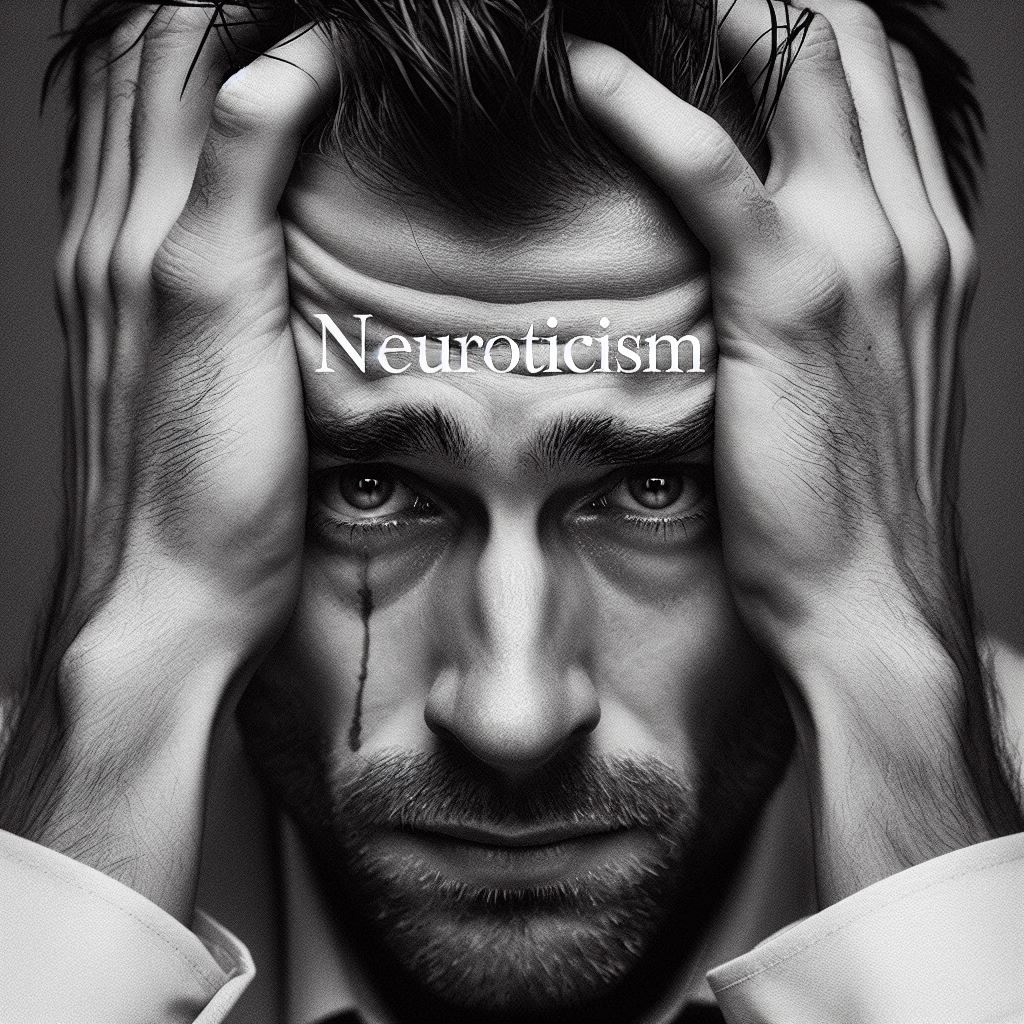
    Neuroticism, one of the five personality traits identified by psychologists, measures an individual’s emotional stability or instability. A person scoring higher on the neuroticism scale demonstrates a tendency to experience more intense negative emotions such as fear, worry, anger, and sadness, often engaging in overthinking and rumination.

    Causes of Neuroticism

    While neuroticism can have a genetic component, environmental factors such as upbringing, childhood experiences, and exposure to chronic stress can also play a pivotal role in shaping this trait. Certain studies have also suggested that neuroticism can be influenced by neurological differences, such as an imbalance in brain chemicals like serotonin.

    Impacts on Life

    The emotional roller coaster experienced by individuals high in neuroticism can have a significant impact on their daily lives and long-term well-being. Neuroticism often correlates with increased vulnerability to mental health issues like anxiety disorders and depression. It can also affect interpersonal relationships due to excessive self-consciousness, frequent worrying, and emotional instability. Moreover, those high in neuroticism may struggle with decision-making, as they are more likely to overanalyse potential negative outcomes.

    Coping with Neuroticism

    Fortunately, there are various strategies individuals can employ to alleviate the burden of neuroticism and lead happier, more fulfilling lives:

    1. Mindfulness and self-compassion techniques: Practising mindfulness and self-compassion can help neurotic individuals better manage their emotions, reduce stress, and become more aware of their thoughts and reactions.

    2. Cognitive-behavioural therapy (CBT): Seeking professional help from a therapist trained in CBT techniques can provide valuable guidance in reframing negative thought patterns and promoting healthier coping mechanisms.

    3. Building resilience: Engaging in activities that promote resilience, such as exercise, meditation, and social support, can assist individuals in managing stress and increasing emotional stability.

    4. Self-care and stress management: Prioritising self-care activities and implementing stress-management techniques like time management, relaxation techniques, and adopting a healthy lifestyle can help reduce the impact of neuroticism in everyday life.

    Embracing one’s unique traits

    It is crucial to emphasise that neuroticism, like any other personality trait, is neither inherently good nor bad. While high neuroticism might have its challenges, embracing this trait and recognising its potential benefits, such as increased empathy and attention to detail, can empower individuals to capitalise on their strengths while mitigating the downsides.

    Conclusion

    Understanding neuroticism and its impact can be a stepping stone towards accepting and managing this personality trait more effectively. By implementing coping strategies, seeking support, and embracing personal growth, individuals high in neuroticism can navigate their emotional landscapes while fostering healthier relationships, enhancing well-being, and achieving a balanced life. Remember, neuroticism does not define you – it is merely an aspect of your intricate personality.

    Advertisements
  • Neurosis, Psychosis, and Deluded Idealism

    Neurosis, Psychosis, and Deluded Idealism

    1. Unpacking Neurosis

    Neurosis refers to a broad spectrum of psychological disorders characterised by excessive anxiety, distress, and internal conflicts. It often manifests in symptoms such as obsessive-compulsive disorder (OCD), phobias, or generalised anxiety disorder (GAD). Neurotic behaviours stem from unresolved conflicts originating from childhood or traumatic experiences. They can shape an individual’s perception of reality and influence their daily interactions.

    2. Investigating Psychosis

    In stark contrast to neurosis, psychosis involves a severe impairment of thought processes and a loss of contact with reality. Individuals experiencing psychosis may exhibit symptoms such as hallucinations, delusions, disorganised thinking, and altered perceptions. Schizophrenia is one of the most well-known and complex psychotic disorders. While the exact causes remain unclear, psychosis has been linked to genetic predispositions, abnormal brain chemistry, trauma, or extreme stressors.

    3. Unravelling Deluded Idealism

    Deluded idealism, sometimes referred to as grandiose delusion, occurs when individuals maintain a deeply entrenched belief in their own unparalleled greatness or a mission of cosmic significance. This delusion often leads to destabilising consequences, as the individual may become disconnected from reality and exhibit erratic or even dangerous behaviour. Deluded idealism can arise as a symptom of mental illness, but it might also stem from strong narcissistic traits or an overzealous attachment to extreme ideologies.

    Implications and Connections:

    Though neurosis, psychosis, and deluded idealism each present distinct challenges, they share common threads that connect the spectrum of human behaviour. These conditions highlight the extent to which perceptions, understandings, and interpretations of reality can become distorted or veer off-course. However, it is crucial to approach individuals grappling with these conditions with empathy, compassion, and an appreciation for the complexity of their experiences.

    The Role of Mental Health Support

    The treatment of neurosis, psychosis, and deluded idealism requires professional expertise and tailored interventions. Psychotherapy, counselling, and medication are often employed to address the underlying causes and symptoms associated with these disorders. Timely and appropriate mental health support can help individuals navigate through their challenges, fostering resilience, improving functionality, and restoring a better quality of life.

    Society’s Collective Responsibility

    Beyond individual responsibilities, society has a vital role to play in promoting mental health in general. Educating the public about various mental health disorders, combating stigma, and ensuring access to affordable mental health services are all crucial in offering support to those struggling with neurosis, psychosis, or deluded idealism. By fostering a more inclusive and empathetic society, we can create an environment where everyone can find the help and understanding they need.

    Conclusion

    Neurosis, psychosis, and deluded idealism are challenging psychological concepts that demand our attention and understanding. By exploring these phenomena, we can develop a more compassionate approach to mental health, both individually and as a society. Remember, reaching out for support and nurturing an open dialogue about mental well-being can make a significant impact in the lives of those affected, fostering a path towards healing and a brighter future.