Tag: Narcissism

  • Inside the Mind of a Narcissistic Mother: The Self-Centred Parent

    Inside the Mind of a Narcissistic Mother: The Self-Centred Parent

    Advertisements

    The narcissistic parent, particularly the mother, is one who is primarily focused on meeting their own needs and desires, often at the expense of their children’s well-being. This type of parent may be emotionally needy, demanding constant attention and validation from their children, while failing to meet their children’s emotional needs or provide them with the support and guidance they require.

    Inside the mind of a narcissistic mother, there is a constant need for admiration and affirmation, a deep-seated insecurity that drives her to seek validation from her children. She may see her children as extensions of herself, rather than individuals with their own thoughts, feelings, and needs. This can lead to a lack of boundaries, with the narcissistic mother invading her children’s personal space, privacy, and autonomy.

    Narcissistic mothers may also be manipulative and controlling, using guilt, emotional blackmail, or other tactics to get their children to comply with their wishes. They may be critical and judgemental, quick to point out their children’s flaws and failures, while dismissing their accomplishments and strengths.

    Children of narcissistic mothers may grow up feeling unloved, unworthy, and constantly seeking validation and approval from others. They may struggle with low self-esteem, anxiety, depression, and difficulty forming healthy relationships. The impact of having a narcissistic parent can be long-lasting and profound, affecting every aspect of a person’s life.

    If you suspect that you have a narcissistic mother, it is important to seek support and guidance. Therapy, support groups, and self-help resources can help you navigate the complex dynamics of this relationship and heal from the wounds inflicted by a self-centred parent.

    It is also important to set boundaries with a narcissistic parent, in order to protect your own mental and emotional well-being. Recognise that you are not responsible for meeting your parent’s needs or fixing their insecurities – it is okay to prioritise your own needs and set limits on what you are willing to tolerate.

    Ultimately, it is possible to break free from the cycle of narcissistic parenting and create a healthier, more fulfilling relationship with yourself and others. By seeking support, setting boundaries, and prioritising your own well-being, you can navigate the challenges of having a narcissistic mother and build a life that is truly your own.

  • The Narcissistic Defence Mechanism

    The Narcissistic Defence Mechanism

    Advertisements

    Narcissistic defence mechanisms can manifest in a variety of ways, but they all serve the same purpose: to maintain the individual’s inflated sense of self-worth and protect them from any perceived threats to their ego. These defence mechanisms can be harmful not only to the individual exhibiting them but also to those around them.

    One common narcissistic defence mechanism is projection. This occurs when an individual attributes their own negative qualities or behaviours onto others. For example, a narcissistic person may accuse their partner of being unfaithful, even though they are the one engaging in infidelity. By projecting their own flaws onto others, they can avoid taking responsibility for their actions and maintain their self-image as flawless.

    Another defence mechanism is denial. This involves refusing to acknowledge or accept reality, especially when it contradicts their self-image. For example, a narcissistic individual may refuse to believe that they made a mistake, even when presented with evidence to the contrary. This allows them to protect their fragile ego and avoid feelings of shame or guilt.

    Gaslighting is another common narcissistic defence mechanism. This involves manipulating or distorting facts to make the other person doubt their own perception of reality. By making the other person question their own sanity, the narcissistic individual can maintain control and dominance in the relationship.

    Overall, narcissistic defence mechanisms can be damaging both to the individual exhibiting them and to those around them. If you find yourself or someone you know engaging in these behaviours, it may be helpful to seek professional help. By addressing these defence mechanisms, individuals can begin to work through their insecurities and develop healthier ways of coping with their emotions.

  • The Dark Triad: Exploring the Traits of Psychopathy, Narcissism, and Machiavellianism

    The Dark Triad: Exploring the Traits of Psychopathy, Narcissism, and Machiavellianism

    Advertisements

    Psychopathy is perhaps the most well-known of the Dark Triad traits. Individuals with psychopathic tendencies often exhibit a lack of empathy, remorse, and fear, as well as a predisposition towards deceit and manipulation. These individuals may be charming and charismatic on the surface, but underneath lies a disregard for the feelings and well-being of others.

    Narcissism, on the other hand, is characterised by a grandiose sense of self-importance, a constant need for admiration, and a lack of empathy for others. Narcissists are often preoccupied with their own success, beauty, or intelligence, and may become enraged when they do not receive the attention or adoration they feel they deserve.

    Machiavellianism is perhaps the most insidious of the Dark Triad traits, as it involves a calculated and strategic approach to manipulation and deceit. Individuals high in Machiavellianism are adept at exploiting others for their own gain, often using charm, flattery, and cunning to achieve their goals. These individuals may be skilled at manipulating social situations to their advantage, and may have little regard for the well-being of those they step on in the process.

    While the Dark Triad traits are often associated with negative outcomes and behaviours, it is important to recognise that not everyone who exhibits these traits is a villain or a criminal. In fact, many individuals with these traits can be successful in competitive environments, such as business or politics, where traits like ruthlessness, confidence, and assertiveness can be beneficial.

    However, it is important to be wary of individuals who exhibit extreme levels of these traits, as they may pose a danger to themselves and others. Research has shown that individuals high in the Dark Triad traits are more likely to engage in unethical behaviour, exhibit aggression and violence, and have difficulty forming meaningful and healthy relationships.

    In conclusion, the Dark Triad is a complex and intriguing concept that sheds light on some of the darker aspects of human nature. While individuals with these traits can be captivating and charismatic, it is important to approach them with caution and to be mindful of their potential for harm. By understanding the traits of psychopathy, narcissism, and Machiavellianism, we can better protect ourselves and those around us from their destructive influence.

  • The Development of Narcissism in Childhood

    The Development of Narcissism in Childhood

    Advertisements

    One of the key factors that contribute to the development of narcissism in childhood is the parenting style that a child is exposed to. Children who are raised by parents who are overly indulgent, overly critical, or emotionally distant are more likely to develop narcissistic traits. This is because these parenting styles can create an environment in which the child is either excessively praised and rewarded for their behaviour, or constantly criticised and invalidated. In both cases, the child may come to believe that they are more important and special than others, leading to the development of narcissistic tendencies.

    Another factor that can contribute to the development of narcissism in childhood is the influence of popular culture and social media. In today’s digital age, children are constantly bombarded with messages that encourage self-promotion, self-gratification, and the pursuit of fame and fortune. This can create a breeding ground for narcissism, as children may begin to prioritise their own needs and desires above those of others.

    It is important for parents and caregivers to be mindful of the ways in which they interact with children, and to strive to foster a sense of empathy, humility, and gratitude in their upbringing. Encouraging children to consider the feelings and perspectives of others, teaching them the value of generosity and kindness, and modelling healthy self-esteem and self-respect can help to combat the development of narcissistic tendencies.

    Ultimately, the development of narcissism in childhood is a complex and multifaceted process that is influenced by a combination of genetic, environmental, and societal factors. By being aware of these factors and taking proactive steps to promote positive character traits in children, we can help to mitigate the impact of narcissism and cultivate a more compassionate and empathetic generation.

  • 12 Traits of a Narcissist

    12 Traits of a Narcissist

    Advertisements

    1. Grandiosity: Narcissists have an exaggerated sense of self-importance and believe they are superior to others in every way.

    2. Constant need for admiration: Narcissists seek constant validation and praise from others to boost their fragile self-esteem.

    3. Lack of empathy: Narcissists struggle to understand or care about the feelings of others, viewing them as tools to serve their own needs.

    4. Sense of entitlement: Narcissists believe they are entitled to special treatment and often exploit others to get what they want.

    5. Manipulative behaviour: Narcissists are skilled manipulators who use charm and deception to get their way.

    6. Envy and jealousy: Narcissists are often envious of others’ success and may become hostile or competitive when someone else receives attention or praise.

    7. Arrogance: Narcissists have a haughty attitude and believe they are better than everyone else.

    8. Lack of accountability: Narcissists rarely take responsibility for their actions and may blame others for their mistakes or failures.

    9. Difficulty with criticism: Narcissists struggle to handle criticism and may react defensively or aggressively when their flaws are pointed out.

    10. Exploitative behaviour: Narcissists may take advantage of others for personal gain without any remorse or guilt.

    11. Superiority complex: Narcissists believe they are special and unique, deserving of admiration and special treatment.

    12. Lack of genuine relationships: Narcissists struggle to form meaningful connections with others, as they often only see people as a means to an end.

    While many people may exhibit some narcissistic traits, individuals with NPD display a pattern of behaviour that negatively impacts their relationships and functioning in various areas of life. If you suspect you or someone you know may have narcissistic traits, it may be helpful to seek professional help to better understand and address these behaviours.

  • Playing with Heartstrings: The Art of Emotional Manipulation

    Playing with Heartstrings: The Art of Emotional Manipulation

    Advertisements

    Emotional manipulation can take many forms, from subtle guilt-tripping to more overt tactics like gaslighting and scapegoating. It can be used in personal relationships, in the workplace, and even by political leaders to sway public opinion. But what makes it so effective?

    The art of emotional manipulation lies in the ability to tap into someone’s emotions and use them to your advantage. By playing on a person’s fears, insecurities, and desires, a skilled manipulator can make them do things they wouldn’t normally do or believe things that aren’t true. This can be incredibly damaging to the victim, as it can erode their self-esteem and create a sense of confusion and self-doubt.

    One of the key tactics of emotional manipulation is gaslighting, which involves denying someone’s reality and making them doubt their own perceptions. This can be incredibly disorienting and can make the victim feel like they are going crazy. Another common tactic is guilt-tripping, in which the manipulator uses guilt and shame to make the victim feel bad about themselves and therefore more likely to comply with their wishes.

    So how can we protect ourselves from emotional manipulation? The first step is to be aware of the signs and tactics of manipulation. If someone is constantly making you feel guilty or questioning your reality, it may be a red flag. It’s also important to trust your instincts and set boundaries with those who try to manipulate you.

    Ultimately, emotional manipulation is a form of abuse that can have long-lasting negative effects on its victims. By recognising the signs and standing up for ourselves, we can protect ourselves from those who would seek to play with our heartstrings for their own gain.

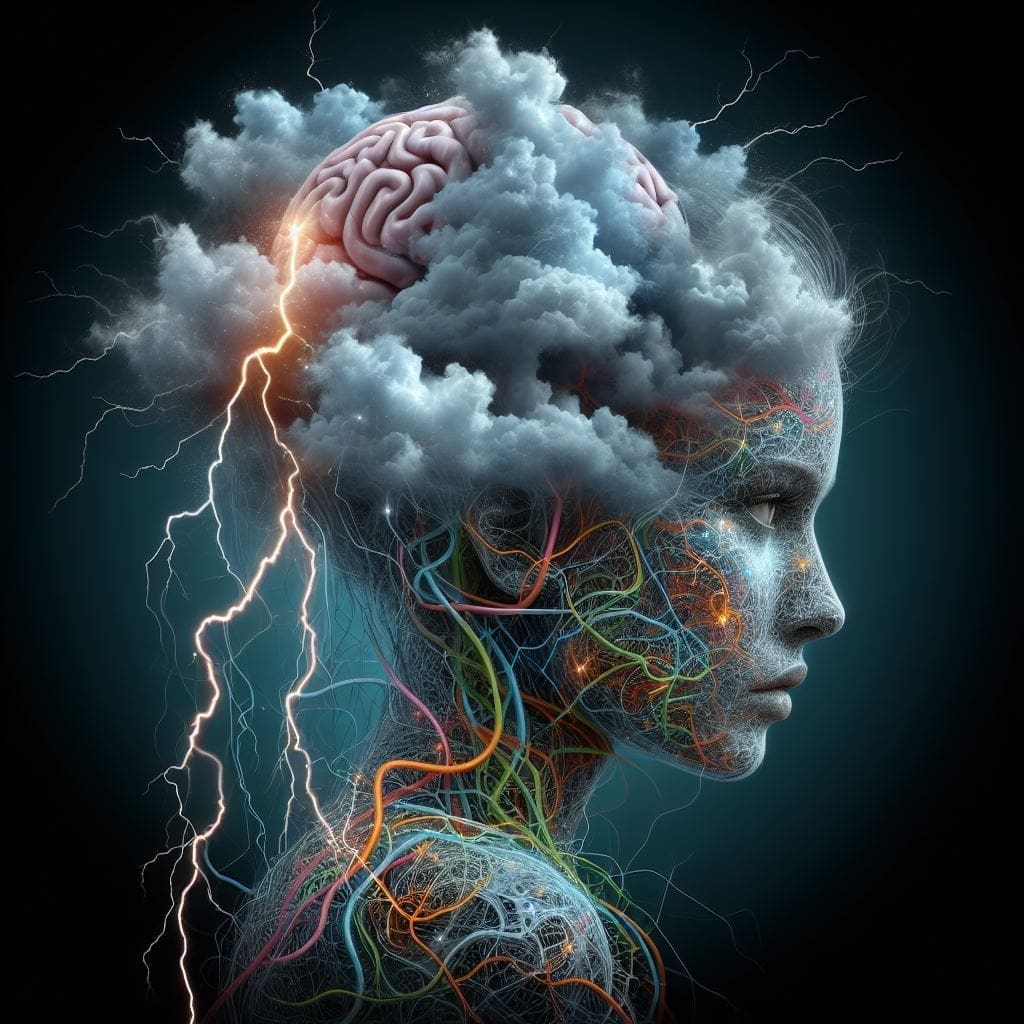
  • Narcissistic Abuse and Brain Damage

    Narcissistic Abuse and Brain Damage

    Advertisements

    Narcissistic abuse is characterised by manipulation, gaslighting, and controlling behaviour that is designed to undermine the victim’s sense of self-worth and control. This constant barrage of emotional abuse can have long-lasting effects on the victim, including symptoms such as anxiety, depression, and post-traumatic stress disorder.

    In recent years, researchers have started to explore the physical effects of narcissistic abuse on the brain. One study published in the Journal of Interpersonal Violence found that individuals who had experienced narcissistic abuse had smaller hippocampi, which are areas of the brain responsible for memory and emotional regulation. This suggests that long-term exposure to emotional abuse can actually change the physical structure of the brain.

    Another study, published in the Journal of Traumatic Stress, found that victims of narcissistic abuse had elevated levels of cortisol, a stress hormone that can have damaging effects on the brain over time. High levels of cortisol have been linked to a range of health problems, including memory impairment, depression, and even physical brain damage.

    It is important to recognise the signs of narcissistic abuse and seek help if you are experiencing it. Therapy and support groups can provide a safe space for victims to process their experiences and begin the healing process. It is also important to prioritise self-care and protect yourself from further harm by setting boundaries and practising self-compassion.

    If you or someone you know is experiencing narcissistic abuse, it is important to seek help from a mental health professional. With the right support and resources, it is possible to heal from the effects of narcissistic abuse, both mentally and physically. Remember, you are not alone, and there is help available.