Tag: Mysticism

  • The Psychology of Ancient Mysticism

    The Psychology of Ancient Mysticism

    Advertisements

    One aspect of ancient mysticism that has captured the interest of psychologists is the psychological dimension of mystical experiences. These experiences, which often involve intense feelings of connection to something greater than oneself, have been a subject of study for modern psychologists seeking to understand the human mind and its capacity for transcendence.

    One psychological theory that has been applied to the study of ancient mysticism is Maslow’s hierarchy of needs. According to Maslow, humans have a hierarchy of needs that must be fulfilled in order to achieve self-actualisation and personal fulfilment. At the top of the hierarchy is self-transcendence, which involves transcending the self and experiencing a sense of connection to something greater than oneself. Many ancient mystics, through their practices of meditation, prayer, and spiritual contemplation, sought to reach this state of self-transcendence and achieve a deeper understanding of the world around them.

    Another psychological theory that has been applied to the study of ancient mysticism is Carl Jung’s theory of the collective unconscious. According to Jung, there is a shared reservoir of unconscious knowledge and experiences that all humans have access to, which he called the collective unconscious. Jung believed that ancient myths and symbols were rooted in the collective unconscious and held universal significance for all humans. Ancient mystics, through their use of symbols, rituals, and spiritual practices, tapped into this collective unconscious and sought to unlock its hidden wisdom.

    In addition to these theories, modern psychologists have also studied the therapeutic benefits of ancient mystical practices. Research has shown that practices such as meditation, prayer, and mindfulness can have a positive impact on mental health and well-being, reducing stress and anxiety and promoting a sense of inner peace and tranquillity. Ancient mystics understood the transformative power of these practices and incorporated them into their spiritual traditions as a means of achieving spiritual enlightenment and personal growth.

    Overall, the psychology of ancient mysticism offers valuable insights into the human mind and its capacity for transcendence and personal transformation. By studying the practices and beliefs of ancient mystics, psychologists can gain a deeper understanding of the universal human experience and the enduring quest for meaning and connection in a complex and ever-changing world.

  • Ancient Aramaic Mysticism: A Spiritual Journey Back in Time

    Ancient Aramaic Mysticism: A Spiritual Journey Back in Time

    Advertisements

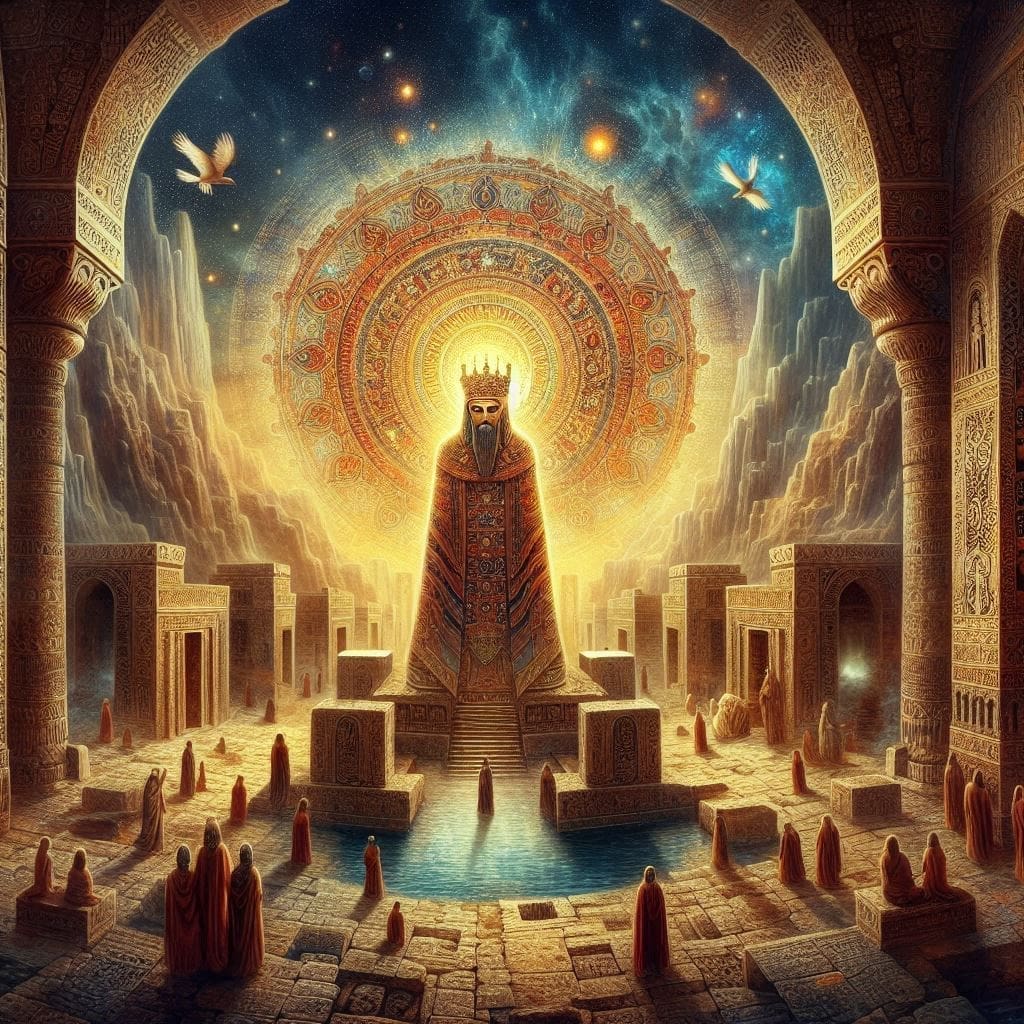
    Aramaic mysticism is a spiritual path that focuses on connecting with the divine through prayer, meditation, and contemplation. It is a deeply personal and introspective practice that seeks to uncover the hidden truths of the universe and the self. The language itself is believed to have sacred vibrations that can unlock spiritual insights and deepen one’s connection to the divine.

    One of the most well-known forms of Aramaic mysticism is the practice of reciting and meditating on the Lord’s Prayer in its original Aramaic form. Known as the “Abun d’bashmaya” or “Our Father who art in heaven,” this prayer is believed to have special power and significance when spoken in its original language. Many practitioners of Aramaic mysticism believe that reciting this prayer can bring about profound spiritual transformation and healing.

    In addition to prayer and meditation, Aramaic mysticism also incorporates various rituals, symbols, and practices to deepen one’s spiritual connection. These can include the use of sacred icons, incantations, and visualisations to invoke the divine presence and access higher states of consciousness.

    While Aramaic mysticism may seem esoteric and obscure to some, it has a deep and profound resonance for those who are drawn to its beauty and mystery. Its teachings offer a pathway to spiritual growth, healing, and enlightenment, inviting individuals to explore the depths of their souls and connect with the divine in a profound and transformative way.

    Whether you are a spiritual seeker or simply curious about ancient wisdom traditions, exploring the world of Aramaic mysticism can be a fascinating and rewarding journey. By delving into the mystical teachings and practices of this ancient tradition, you may uncover hidden truths about yourself and the universe, and deepen your connection to the divine in ways you never thought possible. Let the sacred language of Aramaic be your guide on a spiritual journey back in time, to a place of deep wisdom and profound spiritual insight.

  • The Life of the Mystic

    The Life of the Mystic

    Advertisements

    The life of a mystic is often characterised by solitude and silence. They seek out moments of stillness and quiet in order to listen to the whispers of their soul and the guidance of the divine. In this space of inner stillness, they are able to connect with their higher self and the higher realms of existence.

    Mystics often lead a simple and humble life, free from the trappings of material wealth and possessions. They see the impermanence of the material world and seek to cultivate a sense of detachment from it. Instead, they find their joy and fulfilment in the beauty of nature, the kindness of others, and the wonders of the spiritual realm.

    One of the key practices of a mystic is meditation. Through the practice of meditation, they are able to quiet the mind, open the heart, and connect with the divine presence within and around them. This deep state of inner peace and presence allows them to access wisdom and insights that transcend the limitations of the ego.

    Mystics often have a deep sense of compassion and empathy for others. They see the interconnectedness of all beings and strive to live in harmony with the world around them. They are often drawn to acts of service and charity, seeking to alleviate the suffering of others and spread love and light wherever they go.

    The life of a mystic is not always easy. It can be a lonely path, fraught with challenges and obstacles. But it is a path of profound beauty and meaning, filled with moments of awe, wonder, and divine grace. The mystic’s journey is a journey of the soul, a journey towards greater self-awareness, spiritual growth, and ultimately, union with the divine.

    In a world that often prioritises material wealth and success, the life of a mystic serves as a powerful reminder of the importance of inner peace, spiritual fulfilment, and connection with the divine. Their presence in the world is a beacon of light and hope, offering inspiration and guidance to all who seek a deeper understanding of themselves and the cosmos. May we all be blessed with the wisdom and grace of the mystics, and may their teachings continue to illuminate our path towards greater spiritual awakening and enlightenment.