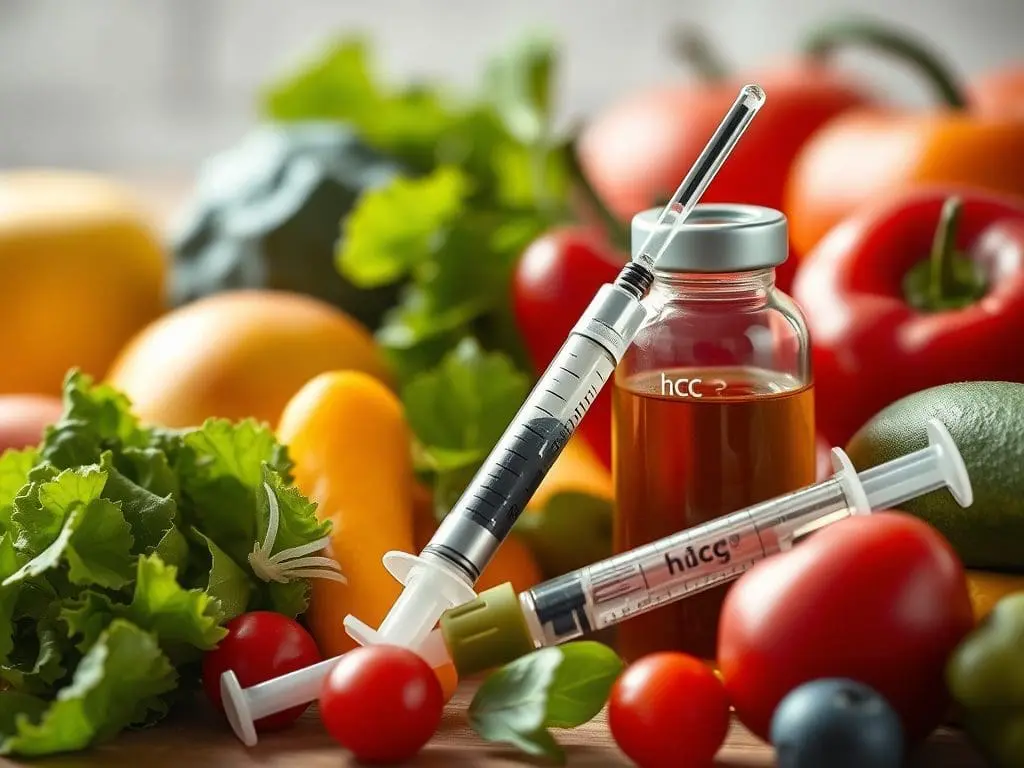
Human Chorionic Gonadotropin (hCG) is a hormone that is produced by the placenta during pregnancy. It plays a crucial role in the development of the embryo and fetus, and it also has a number of important functions in the pregnant woman’s body. It is also used as a medication to help with fertility issues in both men and women. For weight loss, it is a controversial yet popular method believed to help by controlling hunger, increasing metabolism, and promoting fat loss. It is often used in conjunction with a low-calorie diet. While hCG can be incredibly beneficial in certain situations, it is important to be aware of the potential side effects that can occur when using this medication.
Functions
One of the main functions of hCG is to signal to the ovaries to continue producing progesterone, which is essential for maintaining a healthy pregnancy. Without enough progesterone, the uterine lining may break down and cause a miscarriage. This is why hCG levels are monitored during early pregnancy to ensure that they are rising appropriately.
In addition to its role in maintaining pregnancy, hCG also has other important functions. It can help support the development of the fetal adrenal glands, which produce hormones that are essential for the baby’s growth and development. hCG also helps prevent the mother’s immune system from attacking the fetus, which is necessary for a successful pregnancy.
hCG is also the hormone that is detected by pregnancy tests. When a woman is pregnant, hCG levels will rise rapidly in the early weeks of pregnancy, peaking at around 10 weeks before gradually declining. This is why pregnancy tests are most accurate when taken a few weeks after a missed period, as hCG levels need to be high enough to be detected.
In addition to its role in pregnancy, hCG has also been used in fertility treatment. In women undergoing in vitro fertilisation (IVF), hCG injections are often used to trigger ovulation and improve the chances of a successful pregnancy. In men, hCG can help stimulate the production of testosterone and improve fertility.
Overall, human Chorionic Gonadotropin is a vital hormone in pregnancy and fertility treatment. It plays a crucial role in maintaining a healthy pregnancy and supporting the growth and development of the fetus. Its detection in pregnancy tests helps confirm a pregnancy, and its use in fertility treatment can help improve the chances of a successful pregnancy.
Counter-indications
Human Chorionic Gonadotropin (hCG), like any medication, has certain counterindications that individuals should be aware of before starting treatment with hCG.
One of the main counterindications for hCG is pregnancy. Since hCG is a hormone that is naturally produced during pregnancy, supplementing with additional hCG can potentially harm the unborn baby. If a woman is pregnant or suspects she may be pregnant, it is important to avoid using hCG.
Another counterindication for hCG is certain medical conditions. Individuals with a history of hormone-related cancers, such as breast or prostate cancer, should avoid using hCG as it can potentially stimulate the growth of these types of tumors. Additionally, individuals with heart disease, kidney disease, or certain types of genetic disorders should consult with their healthcare provider before starting hCG treatment.
Individuals who are allergic to hCG or any of the ingredients in hCG injections should not use this medication. Allergic reactions can range from mild skin irritation to severe anaphylactic reactions, so it is important to disclose any allergies before starting hCG treatment.
It is also worth noting that hCG is not approved by the FDA for weight loss purposes. While some weight loss clinics and programs may promote the use of hCG for weight loss, individuals should be cautious of any weight loss program that relies solely on hCG injections for results.
Other counterindications include patients with precocious puberty, and patients with carcinoma of the prostrate or other androgen dependent neoplasia.
Overall, it is important to consult with a healthcare provider before starting any treatment with hCG to ensure that it is safe and appropriate for your individual situation. By being aware of the counterindications and potential risks associated with hCG, individuals can make informed decisions about their treatment options.
Dosage
It is crucial to never exceed the recommended dosage of hCG, as it can lead to serious side effects such as blood clots, pulmonary embolism, and ovarian hyperstimulation syndrome. It is also important to note that HCG should not be used for longer than the prescribed duration, as prolonged use can lead to a decrease in hormone levels and potentially negative health effects.
The frequency of Human Chorionic Gonadotropin (hCG) injections will depend on the individual’s specific medical condition and treatment plan. Some common frequencies for hCG injections may include:
- Daily injections for fertility treatment, such as during in vitro fertilization (IVF) or other assisted reproductive technology procedures.
- Several times a week for the treatment of hormonal imbalances or conditions such as hypogonadism.
- Weekly injections for weight loss programs that incorporate hCG as part of a low-calorie diet plan. A typical dosage of HCG for weight loss is 5000 IU per week, taken either via injections or oral drops. It is usually done in conjunction with a very low-calorie diet, typically around 500-800 calories per day.
- Monthly injections for certain medical conditions requiring hCG supplementation.
It is important to follow the prescribed dosing schedule and frequency recommended by a healthcare provider when receiving hCG injections.
❗It is always recommended to speak with a healthcare provider before starting any weight loss regimen, including the use of HCG. They can help determine if it is safe and appropriate for you and discuss other, more evidence-based weight loss options.
Side Effects
While hCG is generally well-tolerated, it can cause some side effects in certain individuals.
Common side effects of hCG may include:
– Headache
– Breast tenderness or swelling
– Irritability
– Fatigue
– Injection site reactions (redness, pain, swelling)
– Mood swings
– Ovarian hyperstimulation syndrome (in women undergoing fertility treatments)
– Swelling or water retention
Less common side effects may include:
– Nausea or vomiting
– Fluid retention
– Dizziness or lightheadedness
– Mood swings
– Allergic reactions
– Blood clots
– Ovarian torsion (in women)
– Multiple pregnancies
It is important to note that some people may experience more severe side effects with hCG, especially if it is not taken as directed or in high doses. If you experience any concerning or persistent side effects while taking hCG, it is important to contact your healthcare provider for further evaluation and guidance. They can help you weigh the benefits of the medication against the potential risks and monitor you for any adverse reactions.
Weight Loss
Human Chorionic Gonadotropin (HCG) is a hormone that is often used in conjunction with a very low-calorie diet to promote weight loss. The HCG diet typically involves consuming around 500 calories per day along with regular HCG injections or drops. The theory is that the hormone will help your body burn fat for energy while preserving muscle mass, leading to rapid weight loss.
On average, people following the HCG diet typically lose around 1-2 pounds per day. However, it’s important to note that much of this initial weight loss is due to water weight and may not be sustainable in the long term.
Many people swear by the hCG weight loss program, claiming to have lost significant amounts of weight in a short period of time. However, the effectiveness of hCG for weight loss is highly debated in the medical community.
It’s crucial to consult with a healthcare provider before starting the HCG diet or any other drastic weight loss program to ensure it is safe and appropriate for your individual needs. Additionally, it’s essential to focus on adopting healthy eating habits and regular physical activity for long-term weight management.
Critics of the hCG weight loss program argue that any weight loss experienced is likely due to the extreme calorie restriction rather than the hormone itself. They also point out that following such a low-calorie diet can lead to muscle loss, nutrient deficiencies, and a slowed metabolism, making it difficult to maintain the weight loss long-term.
What this means is that while hCG weight loss may result in rapid weight loss, it is not a sustainable or healthy long-term solution. It is always best to focus on a balanced diet and regular exercise for gradual, sustainable weight loss. Remember, quick fixes often lead to quick rebounds.
Administration Instructions
1. Wash your hands thoroughly with soap and water before handling the HCG injection supplies.
2. Gather all necessary supplies, which typically include an alcohol swab, syringe, needle, vial of HCG medication, and a sharps disposal container.
3. Check the expiration date on the vial of HCG medication to ensure it is still safe to use.
4. Clean the rubber stopper of the vial with an alcohol swab to prevent contamination.
5. Remove the syringe from its packaging and attach the appropriate needle size for the injection.
6. Draw air into the syringe by pulling back on the plunger to the same amount as the dose of HCG medication you will be injecting.
7. Remove the needle cover and insert the needle into the rubber stopper of the vial.
8. Inject the air into the vial, then turn the vial upside down and slowly withdraw the correct dose of medication into the syringe.
9. Check for air bubbles in the syringe and tap if necessary to remove them.
10. Double-check the dose in the syringe to ensure you have the correct amount of medication.
11. Choose an injection site, such as the buttocks, thigh, or abdomen, and clean the area with an alcohol swab.
12. Pinch the skin at the injection site and quickly insert the needle at a 45 or 90-degree angle.
13. Inject the medication slowly and steadily, then remove the needle at the same angle it was inserted.
14. Apply gentle pressure to the injection site with a clean cotton ball or tissue to help reduce any bleeding.
15. Dispose of the used needle and syringe in a sharps disposal container.
16. Wash your hands again with soap and water after completing the injection.
17. Record the date, dose, and injection site in a journal or medication log for reference.
Always follow your healthcare provider’s instructions for preparing and administering HCG injections. If you have any questions or concerns, do not hesitate to contact your healthcare provider for assistance.
Conclusion
In conclusion, HCG can be an effective weight loss aid when used in conjunction with a healthy lifestyle. However, it is important to follow the recommended dosage and to consult with a healthcare provider before starting any weight loss program that includes HCG. By doing so, you can maximise the benefits of HCG while minimising the risk of potential side effects.