Tag: Lacan

  • The Persecution of Jacques Lacan by the IPA: A Controversial Journey

    The Persecution of Jacques Lacan by the IPA: A Controversial Journey

    Lacan’s Unorthodox Theories

    Before diving into the turbulent relationship between Lacan and the IPA, it is important to understand the unorthodox ideas that made Lacan both distinct and unsettling to many. Rejecting the rigid teachings of traditional psychoanalysis, Lacan introduced novel concepts such as the Mirror Stage, the Symbolic Order, and the concept of the “Other.” These theories aimed to transcend Freud’s initial framework by incorporating linguistics, sociology, and philosophy into the psychoanalytic domain.

    The Growing Discontent

    As Lacan’s influence within the psychoanalytic community grew, so did the resistance against his ideas from some members of the IPA. Many staunch Freudians perceived Lacan’s deviation from classical psychoanalysis as a threat to the field and its legacy. Consequently, a power struggle ensued, fuelling the animosity between Lacan and the IPA.

    Excommunication and the Split

    In 1953, due to mounting controversy and dissatisfaction, the IPA ejected Lacan from the organisation, officially excommunicating him. This watershed moment was a turning point, leading to the formation of the École Freudienne de Paris (EFP). Founded by Lacan, this institution served as a platform for his psychoanalytic teachings and quickly gained a following of devoted students.

    The Parisian Heresy

    Those who remained faithful to Lacan’s teachings faced backlash from the IPA as well. Psychoanalysts who chose to align themselves with Lacan’s unconventional ideas were met with accusations of heresy and were deemed outcasts by the IPA. The IPA’s refusal to recognise Lacan and the EFP as legitimate psychoanalytic bodies only intensified the divide within the field.

    Legacy and Reconciliation

    Despite enduring years of marginalisation, Lacan’s influence continued to grow, primarily through the dissemination of his writing and teachings by his followers. Despite being ostracised from the IPA, many psychoanalysts outside the organisation embraced Lacanian ideas and incorporated them into their own practices. Over time, the animosity towards Lacan within the psychoanalytic community gradually faded, leading to a more nuanced understanding and appreciation of his contributions.

    Conclusion

    Jacques Lacan’s troubled relationship with the IPA undoubtedly shaped the course of psychoanalysis, illuminating the inherent tensions between orthodox and non-conformist perspectives in intellectual fields. While Lacan’s unorthodox theories initially threatened the status quo, they eventually opened up new avenues for exploration, prompting critical engagement and development within the field of psychoanalysis. By acknowledging the pervasive impact of Lacan’s work beyond the confines of the IPA, we recognise the significance of embracing diverse viewpoints within the realm of psychological theory and practice.

  • Signifieds in the Imaginary Realm: The Meanings & Complexities of Language

    Signifieds in the Imaginary Realm: The Meanings & Complexities of Language

    To fully grasp Lacan’s concept of signifieds in the imaginary, we must first understand his overall framework. Lacanian theory posits that our understanding of reality is shaped by language, and this language is divided into three orders: the imaginary, the symbolic, and the real. The imaginary order, which is the focus of this blog post, is where a child establishes a sense of self and the world through identification with an image or reflection.

    In the imaginary order, the signifieds, or what we perceive as the meanings of things, are closely tied to the image or appearance. Lacan emphasises that the image we construct of ourselves and the world in this realm is ultimately illusory and lacks a solid foundation. This illusion arises from the misrecognition of the self in the mirror image, which Lacan calls the “mirror stage.” This misrecognition forms the basis of our ego, our sense of self, and shapes our understanding of ourselves and others.

    In this context, signifieds in the imaginary are not fixed or stable but rather fluid and fragmented. Lacan argues that we constantly seek to fill the gaps and inconsistencies in our imaginary identities through various means, such as identification with others or the pursuit of external validation. These signifieds, however, remain elusive as they are based on illusions and are never fully attainable.

    Furthermore, Lacan suggests that the signifier, the linguistic or symbolic representation of a signified, is also inherently flawed in the imaginary. Language, in this realm, is closely tied to subjective experience and personal interpretation. Thus, the relationship between signifiers and signifieds becomes contingent and subjective, with each individual constructing their own unique meaning.

    This revelation has profound implications for our understanding of communication and identity. It challenges the idea that there is an objective, universal meaning behind language and highlights the role of subjectivity in shaping our interpretations. It also sheds light on the struggles we face in accurately conveying our thoughts and feelings to others, as language fails to capture the complexities of our internal world.

    So, how do we navigate this web of signifieds and signifiers in the imaginary? Lacan suggests that a deeper understanding of the symbolic and real orders is essential. The symbolic order, characterised by the rules and conventions of language, offers a more objective framework for communication and meaning-making. The real order, on the other hand, represents the unspeakable, the inaccessible aspects of reality that transcend language.

    Through an engagement with all three orders, Lacan contends that we can strive for a more authentic understanding of ourselves and the world. By recognising the limitations of the signifieds in the imaginary and the subjectivity inherent in language, we can become more attuned to the nuances and complexities of communication. Moreover, embracing the real order reminds us that there will always be aspects of reality that resist representation, encouraging us to approach language and truth with humility and openness.

    In conclusion, Lacan’s theory on signifieds in the imaginary offers a thought-provoking perspective on the nature of meaning-making and identity formation. By understanding the illusions and subjectivity inherent in our imagined sense of self and the world, we can engage with language more critically and authentically. Ultimately, it is through this engagement that we can strive for a deeper understanding of ourselves and others.

  • The Sinthome: Understanding the Unconscious Structures

    The Sinthome: Understanding the Unconscious Structures

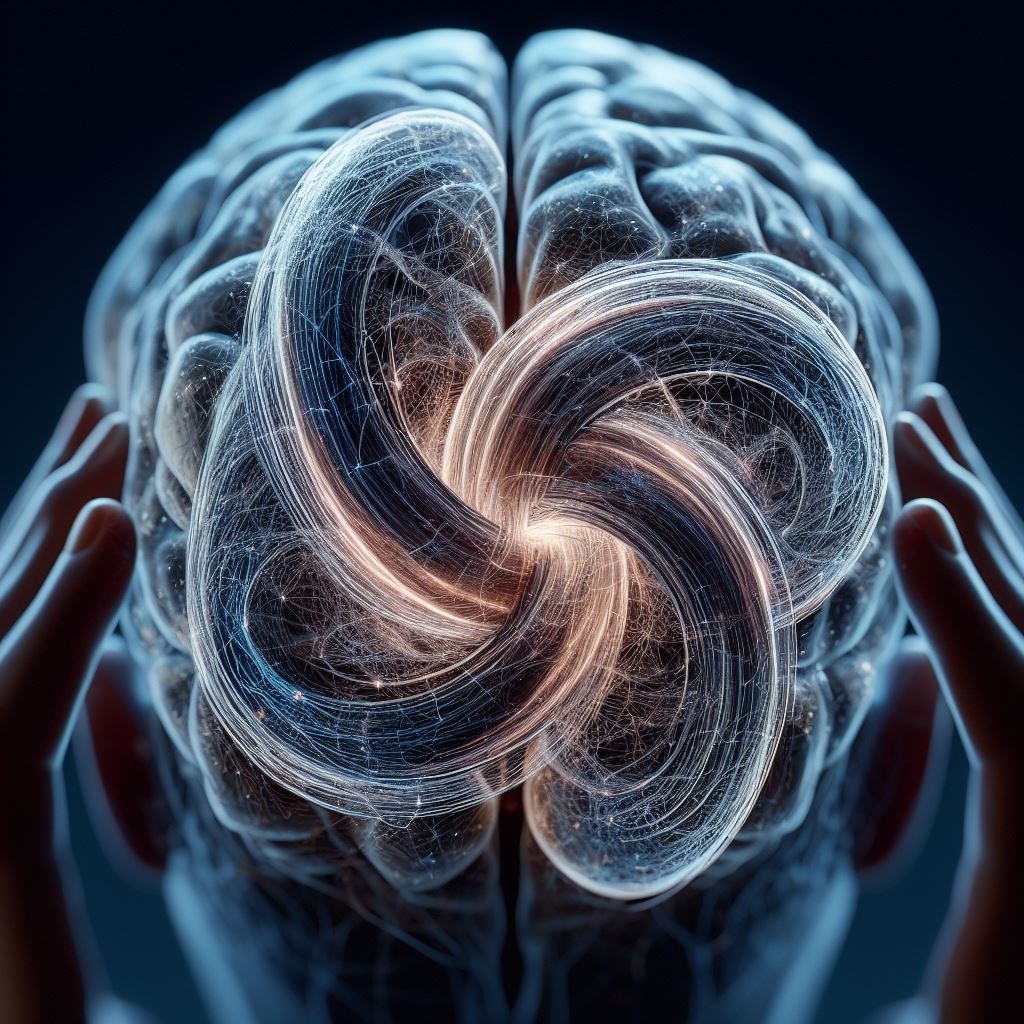
    Lacan defines the sinthome as an intimate knotting of the imaginary, symbolic, and real registers within an individual. It is a unique, idiosyncratic structure that encompasses both the conscious and unconscious dimensions of our being. Unlike traditional psychoanalytic theories that focus solely on the unconscious, Lacan believed that the sinthome encompasses our entire psychic structure, making it a multifaceted concept worthy of exploration.

    To comprehend the sinthome, we must first understand the three registers it intertwines. The imaginary register refers to the realm of images and perceptions, where our ego is formed. It involves the construction of an idealised self-image and the identification with others. The symbolic register, on the other hand, encompasses language, culture, and the shared systems of meaning that shape our understanding of the world. Lastly, the real register represents the unfathomable, non-symbolic dimension of existence that eludes human comprehension.

    The sinthome represents the intricate interplay and unavoidable tensions between these three registers within an individual. It exposes the inconsistencies and contradictions that arise from our attempts to find stability and coherence in a complex world. Lacan argues that the sinthome is what allows us to maintain a fragile balance between these antagonistic forces. It is a defence mechanism that guards against the disintegration of the self under the weight of these conflicts.

    The sinthome has far-reaching implications for our understanding of identity, desire, and mental health. It challenges the idea of a unified, stable self and reveals the inherent contradictions and fractures within our psychic structure. By recognising the sinthome, individuals can gain insight into the unconscious forces that shape their behaviours, preferences, and emotional experiences.

    Furthermore, the Sinthome highlights the role of language and culture in constructing our identities. It reminds us that our self-perception is deeply influenced by the social discourses that surround us, and that our desires and fantasies are shaped by symbolic frameworks. Understanding the sinthome can empower individuals to critically examine the norms and ideologies to which they adhere and question whether they align with their authentic selves.

    Additionally, the concept of the sinthome provides a new lens through which we can approach mental health and therapy. Traditional psychoanalysis tends to focus on uncovering and interpreting unconscious fantasies and desires. However, by incorporating the sinthome framework, therapists can explore how the real, symbolic, and imaginary registers intersect and impact their client’s well-being. Such an approach can lead to a more comprehensive understanding of the individual and facilitate more effective therapeutic interventions.

    In conclusion, the sinthome serves as a powerful tool for understanding the intricate workings of the human psyche. It reveals the interplay between the imaginary, symbolic, and real registers and uncovers the hidden structures that shape our identities and behaviours. By embracing the sinthome, individuals can gain insight into their unconscious drives and desires, leading to a deeper understanding of themselves and the world around them. As we continue to delve into the depths of psychoanalysis, the sinthome provides a valuable perspective that enriches our understanding of the human experience.

  • Unveiling the Complexities of Psychological Trauma in the Real

    Unveiling the Complexities of Psychological Trauma in the Real

    Psychological trauma, a profound and distressing experience that haunts individuals on a deep emotional level, is a topic that has garnered immense attention in the field of psychology. Sigmund Freud and his successors have provided invaluable insights into the nature of trauma, but it was Jacques Lacan who delved into the realm of the “Real” to unravel the intricate web of psychological trauma. In this blog post, we will explore Lacan’s understanding of trauma, and examine its implications on human psyche and therapeutic interventions.

    The Lacanian Trauma

    Jacques Lacan , a French psychoanalyst, developed his theory of psychological trauma through his unique concept of the Real. According to Lacan, the Real represents a space of fragmented and unfiltered experiences that evade our symbolisation and language. It is the realm where our most intense emotions, fears, and anxieties reside, often triggering and perpetuating the effects of traumatic experiences.

    The Real is distinct from the Symbolic and the Imaginary, the other two realms in Lacanian theory, as it eludes linguistic representation and cannot be fully grasped or articulated. Psychological trauma, as seen through this lens, unfolds in the spaces where our imagination encounters the raw and unfiltered aspects of reality, leaving a lasting impact on our psyches.

    The Reenactment and Symbolisation of Trauma

    Lacan contended that psychological trauma is not a mere memory but an ongoing experience that demands reenactment. Trauma is repeatedly revived in the present through various symptoms, expressions, and behaviours, as individuals find themselves trapped in a continuous loop of reliving their traumatic experiences.

    Moreover, Lacan explored the concept of “symbolisation” as a critical aspect of trauma. He argued that trauma often surpasses our ability to symbolise or put it into words, leading to a lack of integration and sense-making. This lack of symbolic representation in turn sustains the ongoing reenactment of trauma and prevents individuals from effectively processing and healing from their traumatic experiences.

    Therapeutic Implications

    Lacan’s theory has profound implications on therapeutic interventions. One approach that seeks to address trauma through a Lacanian lens is psychoanalysis. Psychoanalysis aims to navigate the depths of the unconscious, where the Real resides, and create opportunities for the client to give symbolic expression to their traumatic experiences. By providing a safe space for language and symbolisation, the therapy assists in the construction of meaning, gradually reducing the impact of trauma.

    Another therapeutic intervention inspired by Lacan’s trauma theory is “Witnessing.” In this approach, the therapist actively listens and acknowledges the trauma narrative without imposing interpretations or consoling gestures. By merely attesting to the existence of trauma, the therapist validates the individual’s pain and gradually enables the symbolic reparation process to unfold.

    However, it is important to note that Lacanian-inspired trauma therapy may not suit everyone. Each individual’s experience and response to trauma are unique, necessitating a tailored approach that accommodates their specific needs and circumstances.

    Conclusion

    Lacan’s theory of trauma in the Real sheds light on the complexities of trauma and its lingering impact on human psyche. By exploring the realm beyond language and symbolisation, Lacan offers a lens through which we can attempt to comprehend and address trauma. Understanding trauma as an ongoing reenactment demanding symbolic representation enables therapists to create spaces of healing and recovery. While Lacanian-inspired interventions hold substantial promise, it is vital to recognise the diversity of trauma experiences and the need for individualised approaches in supporting survivors along their path to recovery.

  • The Real, the Imaginary & the Symbolic

    The Real, the Imaginary & the Symbolic

    The Real

    In philosophy, the “Real” refers to the objective, external reality that exists independently of (or beyond) human perception or interpretation. It encompasses the fundamental nature of things, beyond our subjective experience or understanding. The Real can be seen as the underlying truth or essence of existence. In psychoanalysis, it represents the external world as it truly is, independent of our wishes or fantasies. The Real is often associated with the unconscious and can be experienced through traumatic events or overwhelming emotions that challenge our understanding of reality.

    The Imaginary

    The “Imaginary” is a term used in psychoanalysis, particularly by Jacques Lacan, to describe the realm of images, fantasies, and subjective experiences. It relates to our individual and collective imaginary constructs, shaped by our desires, fears, and unconscious processes. The Imaginary plays a crucial role in our understanding of the self and the world around us. It involves the construction of our identity through the identification with others and the formation of imaginary mental representations. The Imaginary is closely linked to early childhood development and plays a role in the formation of our ego.

    The Symbolic

    The “Symbolic” is another concept introduced by Lacan, representing the realm of language, culture, and social norms/systems. It encompasses the shared meanings, codes, and norms that structure our experience, shape our understanding of the world (and our place in it), and enable communication. The Symbolic order influences our perception, providing a framework for understanding ourselves and others. It also provides the framework through which we interpret and communicate our experiences, allowing for the formation of social identities.

    A Final Note

    These concepts are interconnected and play significant roles in how we understand reality, construct meaning, and navigate social and psychological landscapes. Within psychoanalysis, these form a complex interplay, influencing our perception of reality and our sense of self. The Real, the Imaginary, and the Symbolic work together to shape our understanding of the mind, our relationships, and the world around us.