Category: Theology

  • Satanic Sects in the UK: Separating Fact from Fiction

    Satanic Sects in the UK: Separating Fact from Fiction

    Advertisements

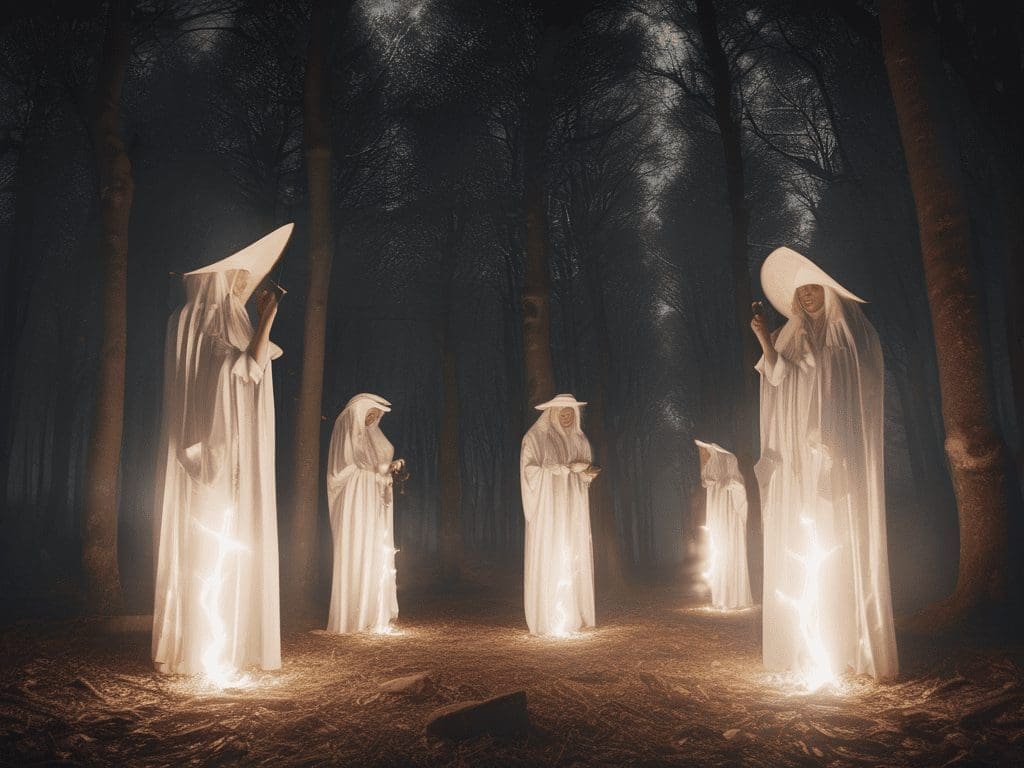
    Firstly, it’s important to distinguish between genuine Satanic sects and the exaggerated portrayals often seen in the media. While there have been incidents of individuals or small groups engaging in Satanic rituals or activities, these are typically isolated cases rather than part of a widespread and organised network.

    In recent years, there have been reports of Satanic sects allegedly involved in criminal activities, such as ritual abuse and human sacrifice. However, these claims have largely been debunked by law enforcement agencies and experts in the field of cults and occultism. The vast majority of Satanic groups are peaceful and do not engage in criminal behaviour.

    In fact, many self-professed Satanists argue that their belief system is based on individualism, personal freedom, and scepticism rather than on harming others. While their rituals and symbolism may be unsettling to some, it is important to respect their right to practise their religion in a legal and non-harmful manner.

    So if Satanic sects are not the criminal organisations they are often portrayed as, why do they continue to capture the public imagination? Part of the allure may lie in the transgressive nature of Satanism, which challenges traditional notions of morality and spirituality. This rebellious and provocative image can attract individuals seeking to break free from societal norms and embrace a darker and more unconventional path.

    In conclusion, while Satanic sects do exist in the UK, they are not the dangerous and malevolent forces that are often portrayed in the media. It is important to separate fact from fiction and not demonise individuals based on their beliefs. Instead, we should strive to understand and engage with different belief systems in a spirit of tolerance and respect.


  • What Are the World’s Newest Religions?

    What Are the World’s Newest Religions?

    Advertisements

    One of the newest religions to gain attention is Pastafarianism. This satirical religion, also known as the Church of the Flying Spaghetti Monster, was created in 2005 as a response to the teaching of intelligent design in schools. Pastafarians believe in a deity made of spaghetti and meatballs, and their main goal is to promote the separation of church and state.

    Another recent religion is Jedism, inspired by the Jedi Order in the Star Wars franchise. Followers of Jedism believe in the Force, a mystical energy that binds the universe together. They follow the teachings of the Jedi Code and strive for peace, harmony, and self-improvement.

    The Order of the Satanic Temple is a modern religious movement that advocates for secularism and social justice. While often misunderstood as worshipers of the devil, members of the Satanic Temple do not believe in a literal Satan but rather use it as a symbol of rebellion against traditional religious institutions.

    Other new religions include Raelism, a UFO religion founded in the 1970s by Claude Vorilhon, who claims to have been contacted by extraterrestrial beings, and the Church of Euthanasia, which promotes voluntary population control and environmental sustainability.

    These new religions offer alternative perspectives and beliefs in a rapidly changing world. While some may view them as controversial or unconventional, they provide a platform for individuals to explore and express their spirituality in a way that resonates with them. As the world continues to diversify, it will be interesting to see how these new religions evolve and shape the religious landscape in the years to come.

  • Exploring Colombian Brujeria: From Traditional Shamans to Modern Spells

    Exploring Colombian Brujeria: From Traditional Shamans to Modern Spells

    Advertisements

    Colombia, with its rich indigenous traditions, has a deep-rooted connection to spirituality and the supernatural. Many Colombians still seek out the services of brujos and brujas (witches) for healing, guidance, and protection. These traditional healers often use herbs, rituals, and spells to help their clients navigate through life’s challenges.

    However, there is also a darker side to brujeria in Colombia. Some practitioners use their powers for malicious purposes, such as casting spells to harm others or gain wealth and power. These dark witches, known as brujos negros, are feared and often shunned by society.

    In recent years, there has been a resurgence of interest in brujeria in Colombia, fuelled in part by the popularity of shows and movies featuring witches and magic. Modern practitioners of brujeria have adapted traditional practices to suit contemporary lifestyles, offering services such as love spells, prosperity rituals, and protection charms.

    Despite the ongoing stigma surrounding brujeria, many Colombians continue to seek out the services of witches and healers for guidance and support. Whether seeking a solution to a problem or simply looking for spiritual guidance, brujeria remains an important part of Colombian culture and heritage.

    In conclusion, brujeria in Colombia is a complex and multifaceted phenomenon that reflects the country’s rich spiritual traditions and cultural diversity. Whether practised for healing, harm, or simply out of curiosity, witchcraft continues to play a significant role in Colombian society. As long as there are people seeking answers and solutions to life’s challenges, brujeria will continue to thrive in Colombia.

  • Psychological Profile of Scientology Founder L. Ron Hubbard

    Psychological Profile of Scientology Founder L. Ron Hubbard

    Advertisements

    One of the key aspects of Hubbard’s character was his charisma and ability to captivate others with his ideas and teachings. He was a charismatic leader who attracted a dedicated following of followers who believed in his vision of spiritual enlightenment and personal growth. Hubbard was known for his commanding presence and charismatic personality, which helped him build a worldwide organisation that continues to thrive to this day.

    However, Hubbard’s psychological profile also revealed a darker side to his character. He was known to be manipulative and controlling, using his influence to maintain a tight grip on his followers and those close to him. Hubbard was also known to have a volatile temper and was quick to anger when things did not go his way. This combination of charm and manipulation made him a formidable leader who was able to maintain control over his followers and keep them loyal to him and his teachings.

    In addition to his charismatic persona, Hubbard also exhibited signs of narcissism and megalomania. He believed himself to be a unique and special individual with a unique insight into the human psyche and spiritual realm. This belief in his own superiority led him to create a doctrine that placed him at the centre of the Scientology movement, with followers believing that he was the sole source of spiritual wisdom and guidance.

    Hubbard’s psychological profile also revealed a deep-seated need for validation and approval from others. He craved recognition and adoration from his followers and sought to build an empire that would cement his legacy and ensure his place in history. This drive for validation led Hubbard to push his followers to their limits and demand unwavering loyalty and devotion to his cause.

    Overall, L. Ron Hubbard’s psychological profile is a complex and multifaceted one that sheds light on the motivations and behaviours of a man who remains a divisive figure in the world of religion and spirituality. While his charisma and charm drew many followers to him, his manipulative and controlling nature also alienated others and raised questions about his true intentions and motives. Understanding Hubbard’s psychological profile can help shed light on the enigmatic figure behind Scientology and the lasting impact of his teachings on the world today.

  • Unveiling the Mysteries of English Witchcraft: From the Past to Modern Practitioners

    Unveiling the Mysteries of English Witchcraft: From the Past to Modern Practitioners

    Advertisements

    One of the most well-known aspects of English brujeria is the practice of witchcraft. During the witch hunts of the 16th and 17th centuries, many individuals , primarily women, were accused of practising witchcraft and were often persecuted and executed as a result. However, despite these dark times, the tradition of witchcraft in England has persisted and continues to thrive in modern times.

    In England, there are numerous covens and Wiccan groups that practise various forms of witchcraft and brujeria. These groups often come together to celebrate the cycles of the moon and the changing of the seasons through rituals and ceremonies. Many of these practices are rooted in the ancient traditions of pre-Christian England, when witchcraft was seen as a way to connect with nature and the elements.

    One of the most famous examples of English brujeria is the legend of Merlin, the wizard who aided King Arthur in his quest for the Holy Grail. Merlin is said to have possessed great powers of magic and was able to see into the future. His story has inspired countless tales and has become a symbol of English witchcraft.

    In more recent times, there has been a resurgence of interest in brujeria in England, with many individuals turning to witchcraft as a way to connect with their spirituality and the natural world. Books on witchcraft and spells have become increasingly popular, and there are now many shops and websites dedicated to selling tools and supplies for practising witchcraft.

    Despite its dark past, brujeria in England continues to be a vibrant and thriving tradition that connects individuals to nature and the mysteries of the universe. Whether you are a seasoned practitioner or simply curious about the world of witchcraft, England offers a rich history and tradition that is sure to captivate and inspire. So why not delve into the world of English brujeria and discover the magic that lies within?

  • The Great Architect of the Universe: Finding Comfort and Purpose

    The Great Architect of the Universe: Finding Comfort and Purpose

    Advertisements

    In Freemasonry, the Great Architect of the Universe is often used as a term to refer to God, the creator of all things. The belief is that just as a skilled architect carefully plans and designs a building before constructing it, so too did the Great Architect of the Universe carefully plan and design our world and our existence.

    The concept of the Great Architect of the Universe can also be found in other religions and spiritual traditions. In Christianity, God is often seen as the ultimate creator and architect of the universe. In Hinduism , the deity Brahma is often referred to as the creator and architect of the world. In Taoism, the concept of the Tao as the underlying principle of the universe can be seen as a form of the Great Architect of the Universe.

    Regardless of the specific religious or spiritual tradition, the concept of the Great Architect of the Universe serves as a reminder of the beauty and complexity of the world around us. It encourages us to contemplate the mysteries of the universe and to recognise the presence of something greater than ourselves.

    Whether you believe in a specific deity or a more abstract concept of a higher power, the idea of the Great Architect of the Universe can be a source of inspiration and wonder. It reminds us that there is order and purpose in the world, and that there is a grand design to our existence.

    As we navigate the ups and downs of life, it can be comforting to believe that there is a higher power looking out for us, guiding us along our journey. The concept of the Great Architect of the Universe can provide a sense of comfort and reassurance in the face of uncertainty and challenges.

    In conclusion, the Great Architect of the Universe is a powerful and thought-provoking concept that has been a part of human belief systems for centuries. Whether you believe in a specific deity or a more abstract higher power, the idea of a divine creator can bring a sense of awe and wonder to our understanding of the universe. Take a moment to reflect on the mysteries of existence and contemplate the idea of the Great Architect of the Universe, and let it inspire you to see the beauty and complexity of the world around you.

  • Allan Kardec: Key Theories

    Allan Kardec: Key Theories

    Advertisements

    One of the key theories proposed by Allan Kardec is the idea of reincarnation. According to Kardec, the soul is eternal and goes through a cycle of multiple lives in different bodies in order to learn and grow spiritually . This belief in reincarnation is central to the Spiritist belief system and is a key aspect of understanding the purpose of life and the process of evolution of the soul.

    Another central theory put forth by Kardec is the idea of the spirit world and the existence of spirits who have passed on to the afterlife. Kardec believed that communication with these spirits is possible through mediums who have the ability to connect with the spiritual realm. This belief in communication with spirits has led to the development of practices such as mediumship and séances in the Spiritist community.

    Kardec also emphasised the importance of moral and ethical development in spiritual growth. He believed that humans have a responsibility to cultivate virtues such as love, compassion, and humility in order to progress on the spiritual path. Kardec’s teachings emphasise the importance of living a life of service to others and following a code of conduct that aligns with spiritual values.

    Overall, Allan Kardec’s key theories have had a lasting impact on the spiritual community and continue to influence spiritual seekers around the world. His emphasis on reincarnation, communication with spirits, and ethical development have inspired countless individuals to explore the deeper dimensions of life and the mysteries of the afterlife. Allan Kardec’s teachings remind us of the potential for personal growth and spiritual evolution that exists within each of us, and encourage us to strive towards a higher state of consciousness and understanding.