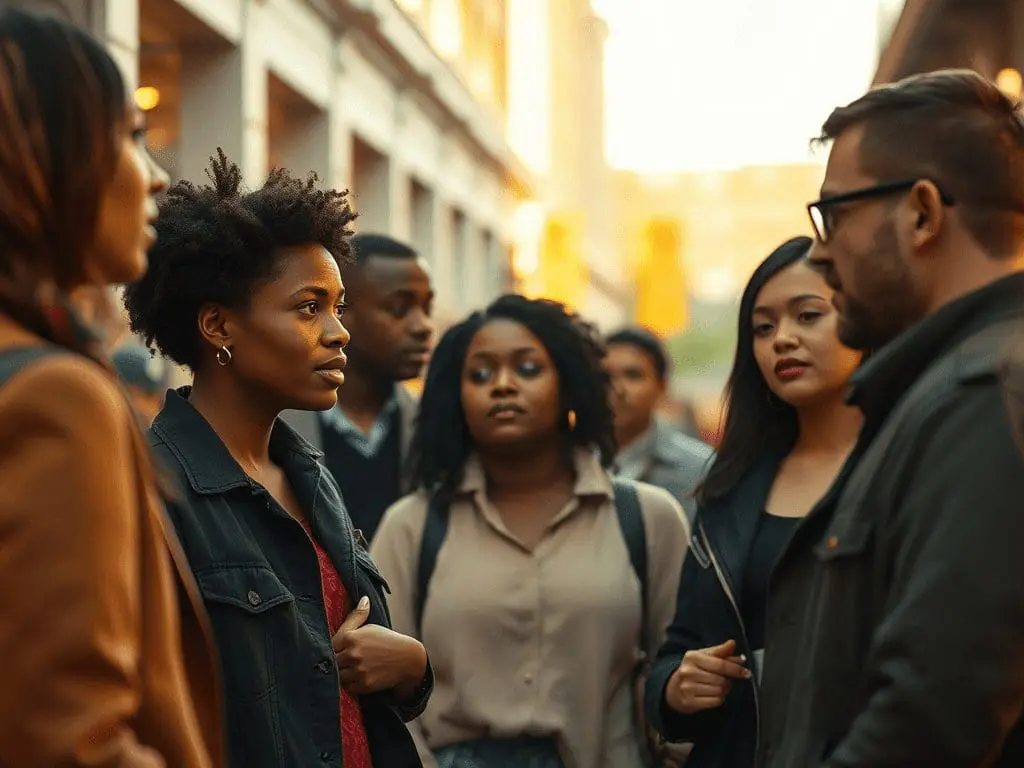
Identity politics is a topic that has been increasingly at the forefront of political discussions in recent years. It has become increasingly prominent in the social and political spheres. Defined as a political approach that focuses on the political interests and perspectives of groups with which people identify, such as race, gender, class, and sexuality; woke politics has sparked both support and antagonism. One aspect of identity politics that has sparked controversy and debate is the concept of trans-racial identity.
I still remember when the term “woke” began to be used. My first reaction was that such a word was wrong, because the correct term should be “awake”. I disliked it prima facie as a result of this, but never did I imagine it would become so complicated in politics that the word appears on the media all the time when extreme or ludicrous cases related to identity politics come up. Over the years, however, I have come to understand that language evolves, and that new terms often emerge from cultural shifts and social movements.
The increased frequency of the usage of the term “woke” in discussions about social justice and equity made me realise that “woke” encompasses much more than just a simple play on words; it reflects a growing awareness of systemic issues and the need for meaningful change. Despite my initial misgivings, I now acknowledge the significance of this term in sparking dialogue around topics that are often uncomfortable yet necessary for progress in society. It is fascinating how a single word can encapsulate complex ideas and perspectives, leading to both passionate advocacy and stark polarisation within the public sphere.
One of the most controversial, ‘woke’ concepts to have emerged was the idea of “trans-racial” identity. Trans-racial identity refers to a person who identifies as a different race or ethnicity than the one they were assigned at birth. This concept gained widespread attention in 2015 when Rachel Dolezal, a white woman who had been passing as black for years, was exposed and faced intense scrutiny and backlash. Dolezal’s case brought the question of trans-racial identity to the forefront and ignited a heated debate on the validity of such identities.
Proponents of identity politics argue that it is an essential tool for social justice and equality. By centring the experiences and perspectives of marginalised groups, identity politics seeks to address the systemic inequalities and discrimination that these groups face. It also aims to amplify the voices of those who have historically been silenced or ignored in mainstream political discourse. Nevertheless, trans-racial identities challenge the very security of any jurisdiction.
For instance, imagine if a man from Yemen crossed the English Channel and boldly asserted, “Hey, I identify as indigenous English, therefore you should give me the right to enter and abode this jurisdiction.” This way, any terrorist, or paedophile could easily make his entrance into the United Kingdom under the convoluted politics of trans-racial identity, leading to significant security concerns and potential threats to public safety.
Critics argue that such claims undermine the very fabric of national identity and social cohesion, as they blur the lines between genuine cultural heritage and a superficial claim to identity. This is precisely why it is very difficult, if not impossible, for trans-racial identity to be recognised or acknowledged by the broader society. Furthermore, critics of trans-racial identity posit that one’s racial identity is determined by ancestry and lived experiences. They argue that individuals cannot simply “identify” as a different race based on their own feelings or desires. This viewpoint is often rooted in the belief that racial identity is fixed and immutable, and that individuals should not appropriate or co-opt the experiences of marginalised racial groups, especially when coming from a privileged position. .
Dolezal’s case ignited fury in the black community, as many felt that her actions trivialised their struggles and experiences, while even the transgender community expressed feelings of insult and betrayal by her alleged dysphoria. In fact, her actions are perceived as inherently racist, sparking debates about privilege, appropriation, and the ethical implications of claiming an identity that is not one’s own. The discourse surrounding this issue is complex, weaving through themes of race, identity politics, and the essence of belonging in a globally connected yet deeply divided world.
On the other hand, proponents of trans-racial identity argue that race is fluid and can be a deeply personal and subjective aspect of one’s identity. They argue that individuals should have the autonomy to define their own racial identity based on their personal experiences, connections, and cultural affiliations. Proponents also point to cases of trans-racial adoption, where children of one race are raised by parents of a different race, as examples of how racial identity can be complex and multifaceted.
Moreover, some people are against identity politics whatsoever, arguing that it can be divisive and counterproductive. Some believe that prioritising group identities over shared values and beliefs can lead to polarisation and conflict. Others argue that identity politics can essentialise and stereotype individuals based on their race, gender, or other identities, rather than recognising their unique experiences and perspectives.
While the concept of trans-racial identity remains controversial, it is important to approach this topic with nuance and sensitivity. As society becomes more diverse and interconnected, it is crucial to acknowledge and address the unique challenges and experiences faced by different groups. It is essential to listen to the perspectives and experiences of individuals who identify as trans-racial, while also acknowledging the complexities and histories of race and racism that shape our understanding of identity. Ultimately, discussions surrounding trans-racial identity highlight the fluid and evolving nature of identity politics and the importance of approaching these conversations with an open mind and a willingness to learn and grow.