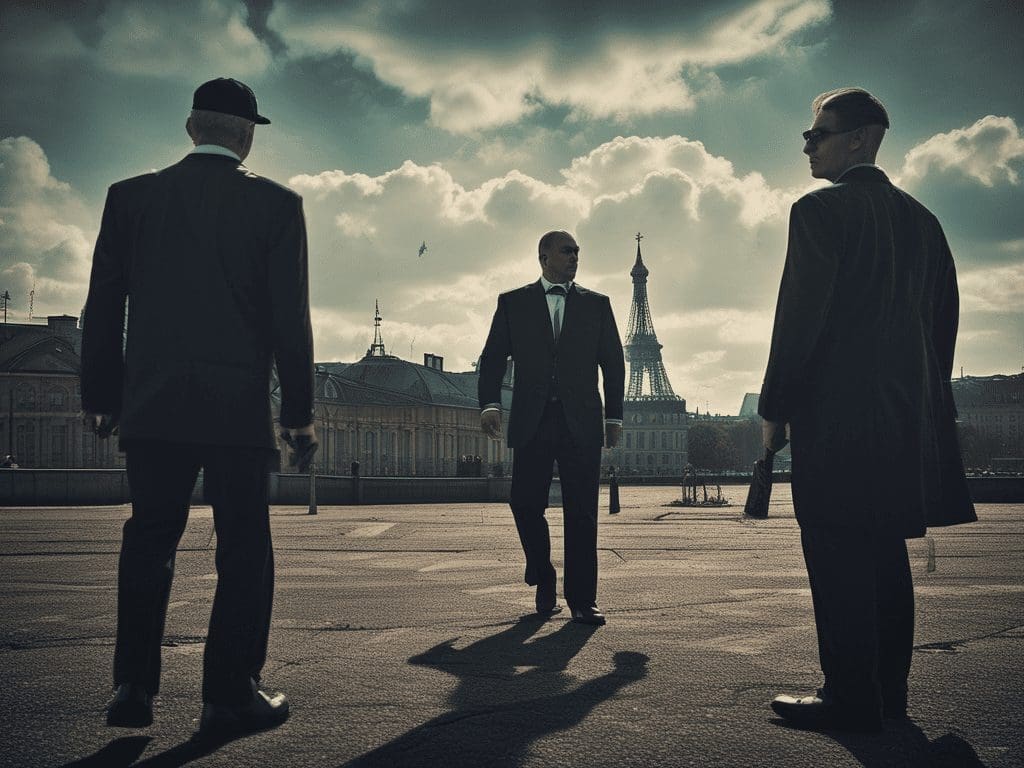
As an organisation that aims to promote peace and security in Europe and North America, NATO plays a crucial role in maintaining stability and cooperation among its member states. However, it is important to critically examine the narratives and messages that NATO puts forth, as they can often be influenced by bias and propaganda.
One of the key biases in NATO’s narrative is its portrayal of its own actions and intentions as inherently good and just. This can lead to a lack of critical examination of NATO’s policies and practices, as they are often framed as necessary for maintaining peace and security. This bias can be dangerous, as it can justify harmful actions and interventions in the name of security, without adequately considering the consequences for those affected.
Propaganda is also a significant factor in shaping NATO’s narrative. NATO often relies on simplistic and sensationalised messaging to garner support for its actions and interventions. This can involve demonising certain countries or groups, or presenting a distorted view of the situation in order to justify military intervention.
For example, in the lead-up to the NATO intervention in Libya in 2011, the narrative presented to the public was one of a humanitarian intervention to protect civilians from a brutal dictator. However, the reality was much more complex, with the intervention leading to a destabilised state and ongoing conflict. This example highlights the dangers of relying on propaganda to justify military action, as it can lead to disastrous consequences.
It is important for the public to critically engage with NATO’s narrative and consider the biases and propaganda that may be present. By questioning the narrative presented by NATO and demanding transparency and accountability, we can ensure that the organisation fulfils its mission of promoting peace and security in a responsible and ethical manner.
Share this:

You Might Also Enjoy Reading