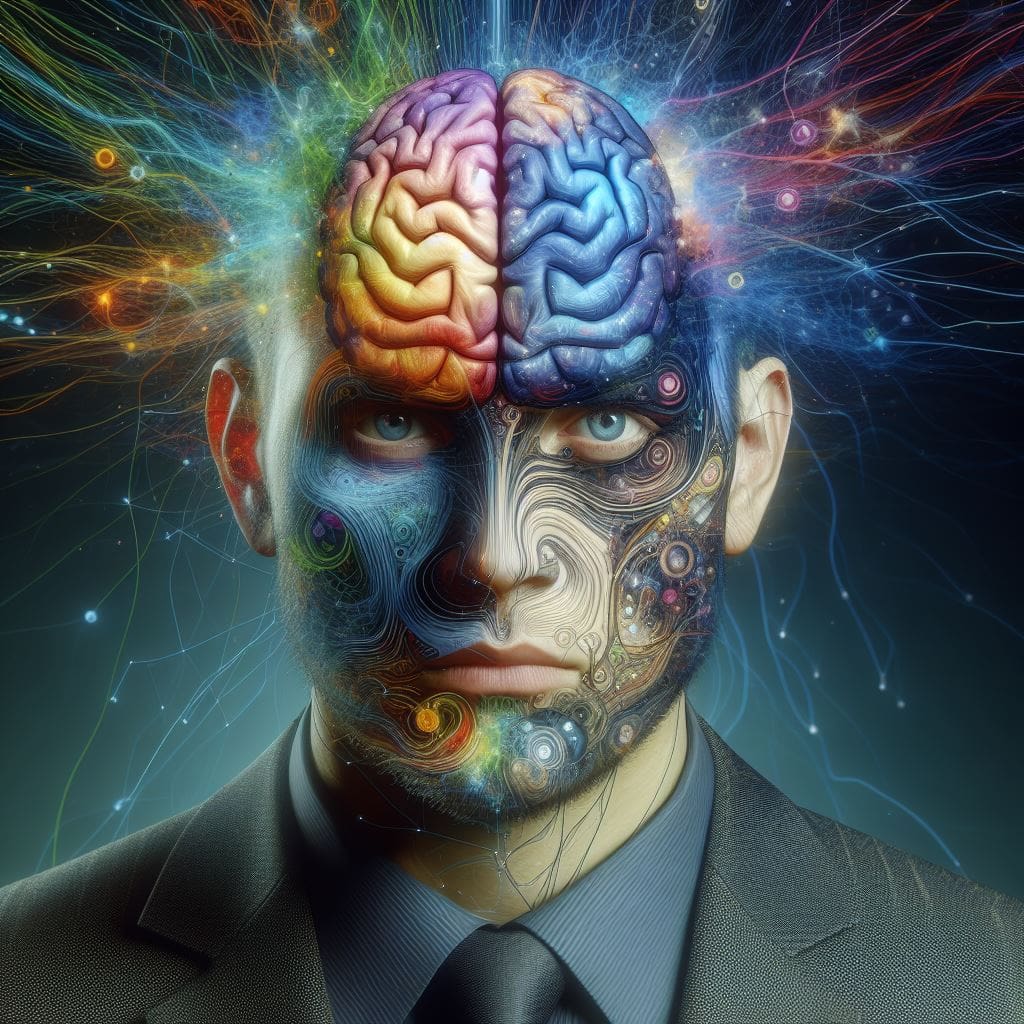
Prayer has been a central aspect of many religious and spiritual practices for centuries. It is often seen as a way to connect with a higher power or to seek guidance and support in times of need. But what if prayer could also have a measurable impact on our physical and mental well-being? This is the premise of the emerging field of noetic science, which explores the relationship between consciousness and the physical world.
Noetic science, a term coined by astronaut Edgar Mitchell, is the study of how consciousness and intention can influence the physical world. In the context of prayer, this means that the thoughts and intentions behind our prayers may have a direct impact on our health and well-being. Research in this field has shown that prayer can have a powerful effect on our bodies, minds, and even on the world around us.
One study, conducted by researchers at the University of California, found that patients who were prayed for by strangers showed a significant improvement in their recovery from surgery compared to those who were not prayed for. Another study, published in the Journal of Alternative and Complementary Medicine, found that patients who received distant healing (a form of spiritual healing that does not involve physical contact) experienced a decrease in symptoms of anxiety and depression.
But how exactly does prayer work to bring about these changes? Noetic scientists believe that prayer may act as a form of energetic communication between the person praying and the recipient of the prayer. This communication may help to shift the recipient’s energy field in a positive direction, leading to improved health and well-being.
In addition to its effects on physical health, prayer has also been shown to have a positive impact on mental health. Research has found that people who engage in regular prayer or meditation experience lower levels of stress, anxiety, and depression. This is believed to be due to the calming and centring effect of prayer, which can help to reduce the negative effects of chronic stress on the body and mind.
Ultimately, the field of noetic science suggests that prayer is not just a spiritual practice, but a powerful tool for healing and transformation. By harnessing the power of our thoughts and intentions, we can tap into a deeper level of consciousness that has the potential to bring about positive change in our lives and in the world around us.
Incorporating prayer into our daily routine, whether through traditional religious practices or personal rituals, may help us to cultivate a sense of connection and well-being that can have far-reaching effects on our health and happiness. As the field of noetic science continues to expand, we may uncover even more ways in which prayer can be used as a tool for healing and personal growth. So the next time you find yourself in need of support or guidance, consider turning to prayer as a means of tapping into the power of consciousness and intention.

Share this:

You Might Also Enjoy Reading