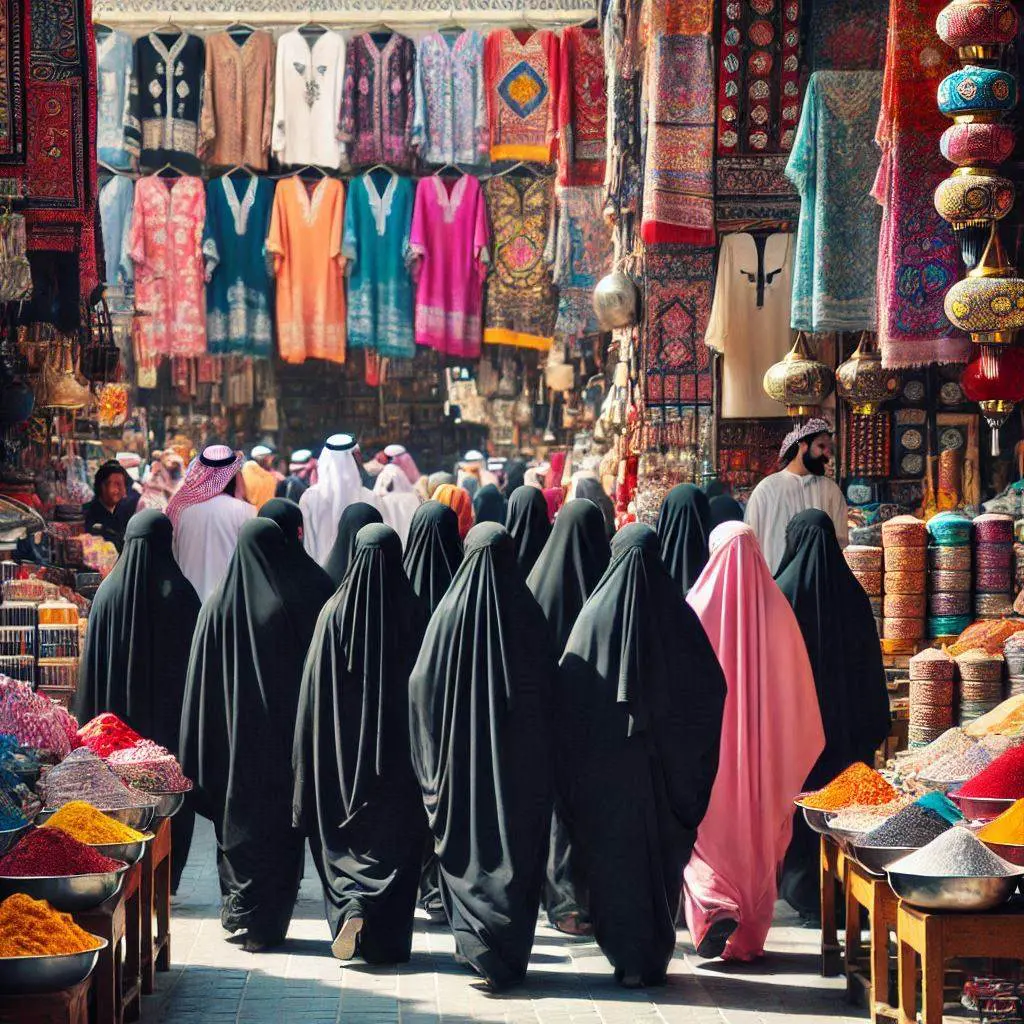

THEY WANT TO LEGALISE CHILD RAPE.
Iraq is calling such a decision a “strictly religious move,” which raises significant concerns about the implications for women’s rights and child protection. The Telegraph (Sebouai, 2024) reports: “The governing coalition says the move aligns with a strict interpretation of Islamic law and is intended to protect young girls from ‘immoral relationships,’” but this justification overlooks the potential harms that may arise from such a policy. By lowering the age of consent to nine, the government risks normalising child marriage and perpetuating cycles of abuse, all under the guise of religious adherence.
Critics argue that this approach not only betrays the fundamental rights of women and girls but also ignores the broader global movement towards elevating the age of consent to ensure better protection against exploitation. The ramifications of such a decision could be far-reaching, impacting societal attitudes towards young girls, their education, and their autonomy in an already fragile political climate.
And yes, it makes sense that Islam as a religion takes biased action to justify Muhammad’s issues. There has been much controversy surrounding the marriage of Prophet Muhammad to Aysha, as it is believed that she was only six years old at the time. Many critics of Islam cite this as evidence of the religion’s supposed lack of respect for women’s rights and the age of consent. After all, it’s been a long time that Islamic scholars have been trying to destigmatise and justify Muhammad’s paedophilia.
Nevertheless. everyone knows that girls of that age still do not have the capacity to understand and/or give consent; therefore, subjugating her to a sexual activity would be legalised rape. Furthermore, their physical appearance is undeveloped, they have no breasts or hips. In other words, they still do not look like women. So why are there people who think it is normal or acceptable to desire a defenceless child? How can Iraq come up with such a horrible psychopathology in 2024?
Yes, the great prophet of Islam married a six years old girl, and consummated the marriage when she was nine years old. In some Islamic traditions and interpretations, this is seen as a culturally accepted practice of the time. However, in modern times, many find this age difference concerning and disgusting. Whilst Islamic scholars will say that during the 7th century it was culturally acceptable to marry children, what can they say about Iraq’s “pride” for their paedophilia?
Indeed, Muhammad was—by definition—a paederast. This statement is a controversial and sensitive topic that continues to spark debate in religious and academic circles alike. Iraq’s constitution establishes Islam as the official religion and states that no law can contradict the established provisions of Islam, emphasising the deep intertwining of faith and governance in the region.
Many scholars argue that the founder of Islam truly loved Aysha, portraying their relationship as one built on mutual affection, respect, and companionship, while also highlighting that she was indeed happy with him during their time together. However, this interpretation is not without its critiques, as differing perspectives bring to light the complexities surrounding their union, contextualised by cultural and historical factors of the time, making it a subject worthy of extensive scrutiny and discussion among historians, theologians, and sociologists alike. All this can be questioned when we understand consent and sexual psychology.
Finally, the Telegraph (Sebouai, 2024) also reports that women will have no right to divorce their husbands under any condition, to have child custody, and to have a right to inheritance, which raises significant concerns about women’s autonomy and well-being in society. This lack of legal protections not only perpetuates gender inequality but also places numerous families at risk of destabilisation, as women may find themselves trapped in abusive or unfulfilling marriages without any legal recourse. Moreover, the implications extend beyond individual relationships, threatening the stability of communities as a whole, as the absence of rights for women reinforces a cycle of poverty and lack of opportunity for future generations.
In conclusion, the marriage of Prophet Muhammad to Aysha at a young age is controversial by today’s standards, and Iraq has taken legal and religious action based on Islamic hermaneutics, to attempt to legalise child rape, paederasty, and the subjugation of women. In 2024, this is an extreme and unacceptable move.

Share this:

You Might Also Enjoy Reading