
Over the past few decades, tensions between Iran and Britain have been at an all-time high. The conflict between these two nations dates back to the early 20th century, when Britain played a significant role in Iran’s internal affairs through its control over oil resources.
One of the major sources of conflict between Iran and Britain has been the issue of British intervention in the Iranian economy and politics. In the early 20th century, Britain controlled much of Iran’s oil industry through the Anglo-Persian Oil Company, now known as BP. This control over Iran’s oil resources gave Britain significant leverage over the Iranian government, leading to resentment and hostility from the Iranian people.
Another point of contention between Iran and Britain has been the issue of Iranian nuclear capabilities. Britain, along with other Western nations, has been critical of Iran’s nuclear program, fearing that it could be used to develop nuclear weapons. As a result, Britain has imposed economic sanctions on Iran in an effort to curb its nuclear ambitions. This has further strained relations between the two countries, with Iran viewing Britain’s actions as meddling in its internal affairs.
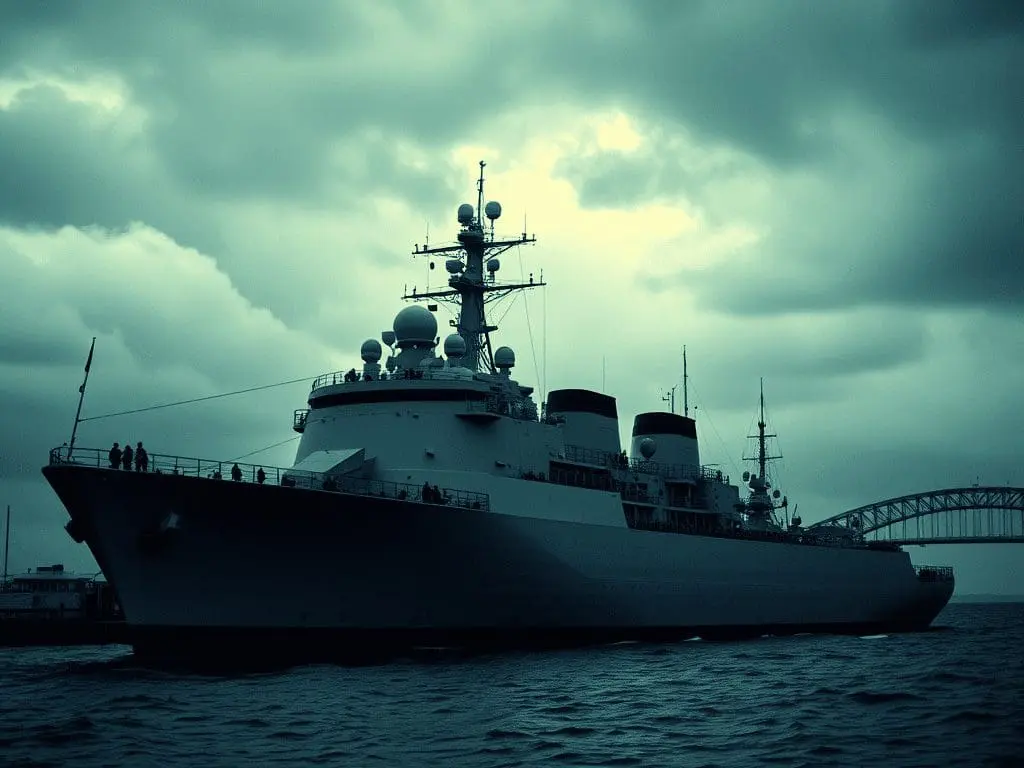
In recent years, the conflict between Iran and Britain has escalated, with incidents such as the seizure of a British oil tanker by Iran in 2019. This incident led to increased tensions between the two nations and prompted the UK to deploy warships to the region to protect British interests.
Despite these tensions, there have been efforts to improve relations between Iran and Britain. In 2016, Iran reached a landmark nuclear deal with world powers, including Britain, in which Iran agreed to limit its nuclear program in exchange for the lifting of economic sanctions. This deal was seen as a step towards easing tensions between the two countries, although it has since been threatened by the withdrawal of the United States in 2018.
Overall, the conflict between Iran and Britain remains a complex and ongoing issue that is influenced by a range of factors, including historical grievances, political differences, and regional tensions. It is crucial for both nations to engage in dialogue and diplomacy to address their differences and work towards a peaceful resolution of the conflict.
Share this:

You Might Also Enjoy Reading