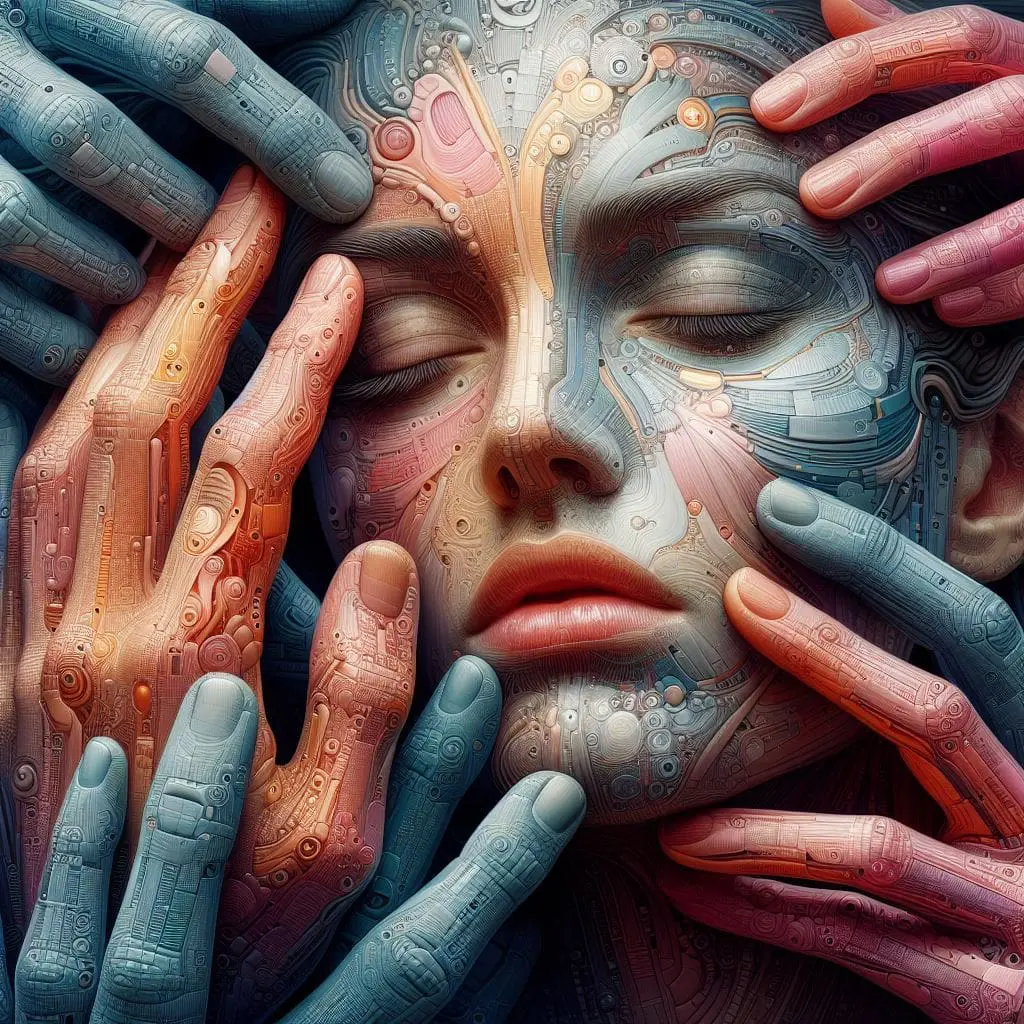

As human beings, we are driven by many different instincts and impulses. One of the most powerful and influential of these is the romantic impulse, also known as Eros. This primal force has been the subject of countless works of literature, art, and music throughout history, as well as the focus of much scientific study in the field of psychology.
Eros is often defined as the desire for intimate relationships, romantic love, and sexual attraction. It is a complex and multifaceted phenomenon that can manifest in many different ways, from fleeting infatuations to deep and enduring connections. But what exactly causes this powerful urge within us?
One of the key factors that drive the romantic impulse is the biological drive for reproduction. Evolution has hardwired us to seek out mates in order to ensure the survival of our genes. This drive can manifest in many different ways, from the intense passion of a new romance to the deep emotional bond of a long-term relationship.
But the romantic impulse is not just about reproduction. It is also about connection, intimacy, and companionship. We are social beings, wired to seek out relationships with others for emotional support, validation, and companionship. The desire for love and intimacy is a fundamental part of what it means to be human.
Another important aspect of the romantic impulse is the role of culture and society. Our ideas about love, relationships, and romance are heavily influenced by the norms and values of the society in which we live. These societal expectations can shape our attitudes and behaviours when it comes to matters of the heart.
The romantic impulse is also influenced by individual factors, such as personality, past experiences, and attachment styles. Some people may have a strong need for intimacy and connection, while others may be more independent and self-reliant. Our past experiences with love and relationships can also shape our attitudes and behaviours when it comes to matters of the heart.
Ultimately, the romantic impulse is a complex and multifaceted phenomenon that is influenced by a wide range of factors. It is a powerful force that drives us to seek out love, connection, and intimacy with others. By delving into the psychology of Eros, we can gain a deeper understanding of this fundamental aspect of human nature.
Share this:

You Might Also Enjoy Reading