
In recent years, Europe has been experiencing a secret invasion unlike anything it has ever seen before. This invasion is not carried out by a traditional army or armed force, but rather by a wave of immigrants and refugees seeking shelter and a better life in Europe.
The Secret Invasion of Europe is a complex issue with global implications. The influx of immigrants and refugees into European countries has sparked heated debates and political tensions, as countries struggle to find a balance between compassion and security.
Many European countries have taken in large numbers of immigrants and refugees fleeing conflict, poverty, and persecution in countries such as Syria, Afghanistan, and Iraq. These newcomers bring with them their hopes and dreams for a better life, but also challenges for European nations in terms of integration, resources, and security.
The Secret Invasion of Europe has also been fuelled by human traffickers and smugglers who profit off the desperation of migrants and refugees, often subjecting them to dangerous journeys and exploitative conditions. The overcrowded refugee camps in countries like Greece and Italy serve as grim reminders of the harsh realities faced by those seeking refuge in Europe.
The Secret Invasion of Europe raises important questions about the responsibility of wealthy Western nations to provide aid and assistance to those in need, as well as the need for international cooperation and solidarity in addressing the root causes of mass migration.
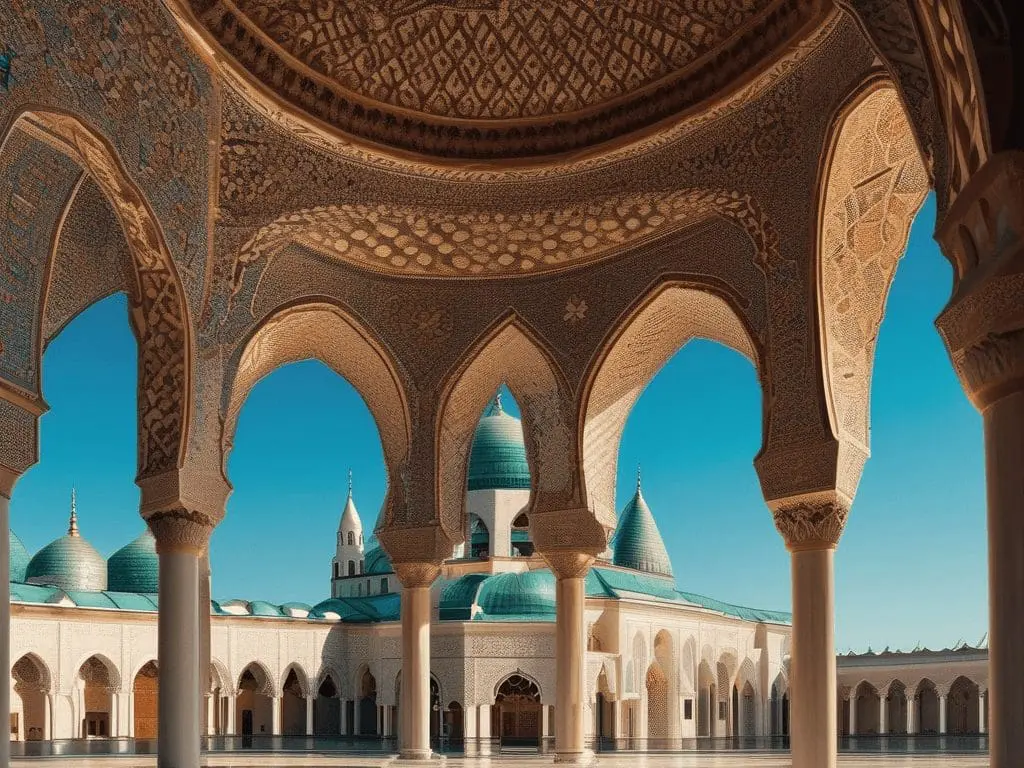
In recent years, there has been a growing concern over the Islamisation of Europe. This refers to the increasing influence of Islamic culture, values, and practices in European societies. From the rise in visibility of mosques and Islamic centres to the growing number of Muslims living in Europe, many people are questioning the impact of this trend on European society.
For instance, the topic of Islamisation of the UK is a complex and sensitive issue that encompasses various perspectives. It involves demographic shifts, cultural integration, religious freedoms, and societal dynamics. Discussions about this topic often touch upon themes such as multiculturalism, identity, and coexistence.
One of the main concerns surrounding the Islamisation of European countries is the potential clash of values and beliefs between Islamic culture and traditional European norms. Some fear that the increasing presence of Islam in Europe could lead to a dilution of European identity and values, as well as a rise in tensions between different religious and cultural groups. This is precisely what the Italian president- Giorgia Meloni- expressed recently.
Additionally, there are concerns about the potential for radicalisation among Muslim communities in Europe. Recent terrorist attacks carried out by Islamic extremists have heightened fears about the potential for radical ideologies to take hold within European Muslim communities. This has led to calls for increased surveillance and security measures to prevent further attacks.
‘ This is our country now! There’s nothing you can do about it!’ screech Muslim immigrants as they destroy a Union Jack!
— Paul Golding (@GoldingBF) August 17, 2024
pic.twitter.com/LimRybntQ2
While acknowledging the significance of this topic, it’s crucial to approach discussions about cultural and religious changes with empathy and a commitment to promoting harmony and inclusivity within society. By engaging in constructive and open conversations, communities can work towards mutual respect and understanding, realising the richness that diversity brings to the fabric of the nation.
As European countries grapple with the challenges posed by the Secret Invasion, it is important to remember the humanity and dignity of those seeking refuge on its shores. By working together and finding compassionate and sustainable solutions, Europe can address this complex issue in a way that upholds the rights and dignity of all those involved.
The Secret Invasion of Europe may be a daunting and overwhelming challenge, but it is also an opportunity for European countries to demonstrate their values of compassion, solidarity, and respect for human rights. By embracing diversity and working together to find solutions, Europe can rise to the occasion and navigate this historic moment with grace and humanity.
Share this:

You Might Also Enjoy Reading