
In today’s political climate, the term “demagogia” has been thrown around frequently, often in a negative connotation. But what exactly is demagogia, and why is it so controversial?
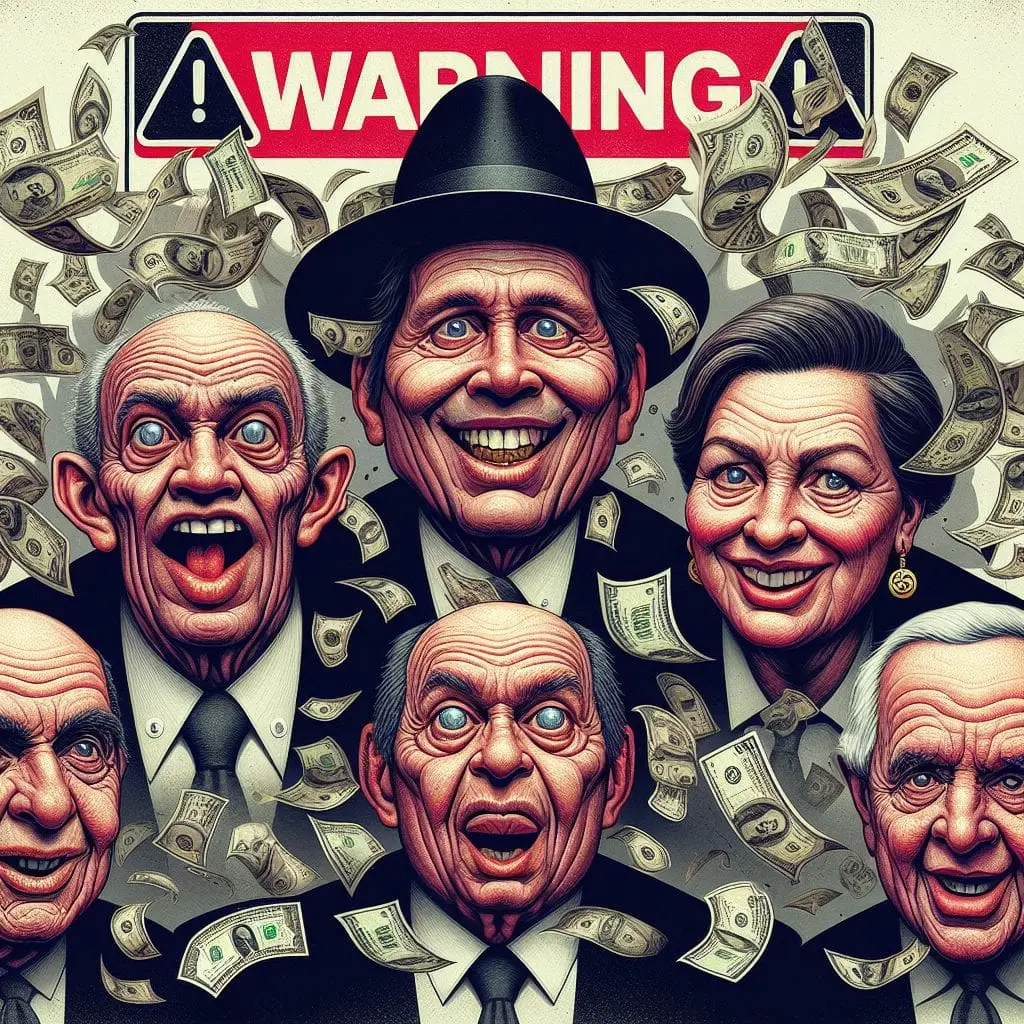
Demagogia, also known as demagogy, is a form of political rhetoric that appeals to the emotions and prejudices of the populace rather than logical reasoning. Demagogues use simplistic and often inflammatory language to manipulate emotions and incite fear and anger in order to gain support and achieve political power.
Demagogia is not a new phenomenon – it has been used throughout history by leaders seeking to rally the masses for their own personal gain. From ancient Greece to modern-day politics, demagogues have employed tactics such as scapegoating, fear-mongering, and exaggeration to sway public opinion and maintain their hold on power.
One of the most dangerous aspects of demagogia is its ability to divide and polarise society. By exploiting people’s fears and prejudices, demagogues can create an “us vs. them” mentality that is harmful to democratic ideals and can lead to violence and oppression.
It is important for citizens to be aware of the dangers of demagogia and to critically evaluate the messages and tactics used by political leaders. By remaining informed and engaged in the political process, individuals can help safeguard against the rise of demagogues and the erosion of democracy.
In conclusion, demagogia is a powerful and dangerous political tool that has been used throughout history to manipulate and control the masses. By understanding the tactics and strategies employed by demagogues, we can better protect our democratic institutions and ensure that our leaders are held accountable for their actions.
Share this:

You Might Also Enjoy Reading