
In today’s turbulent political landscape, it can be challenging to keep up with the ever-changing political zeitgeist. The term “zeitgeist” refers to the general mood or spirit of a particular time period, and in politics, it refers to the prevailing beliefs, attitudes, and values that shape the political landscape.
The political zeitgeist can shift rapidly, influenced by a variety of factors such as current events, social movements, and the actions of political leaders. In recent years, we have seen significant changes in the political zeitgeist, with the rise of populist movements, the increasing polarisation between political parties, and the growing influence of social media in shaping public opinion.
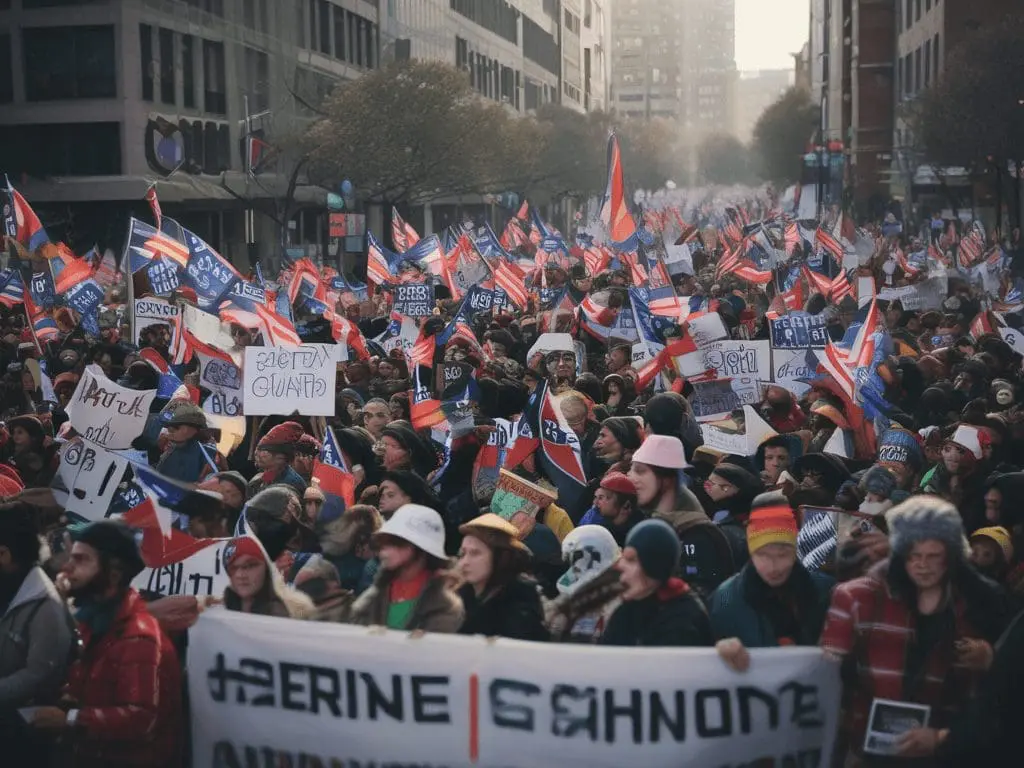
One of the key aspects of the political zeitgeist is the impact of social movements and grassroots activism. Movements such as Black Lives Matter, #MeToo, and the March for Our Lives have all had a profound impact on the political discourse, pushing issues such as racial justice, gender equality, and gun control to the forefront of the national conversation. These movements have galvanised support among young people, who are increasingly becoming a powerful force in shaping the political zeitgeist.
Political leaders also play a significant role in shaping the political zeitgeist. A charismatic leader who can effectively communicate their ideas and connect with the public can influence the beliefs and attitudes of a large number of people. On the other hand, a divisive or unpopular leader can create a sense of discontent and disillusionment among the population, leading to a shift in the political zeitgeist.
The rise of social media has also had a profound impact on the political zeitgeist. Platforms such as Twitter, Facebook, and Instagram have become key battlegrounds for political discourse, where information and misinformation can spread rapidly. Social media has the power to amplify certain voices and marginalise others, shaping the beliefs and attitudes of millions of people in real-time.
In today’s rapidly changing political landscape, it is more important than ever to stay informed and engaged with the political zeitgeist. By understanding the prevailing beliefs, attitudes, and values of the time, we can better navigate the complexities of the political world and work towards creating a more just and equitable society. As the political zeitgeist continues to evolve, we must remain vigilant and active in shaping the future of our democracy.
Share this:

You Might Also Enjoy Reading