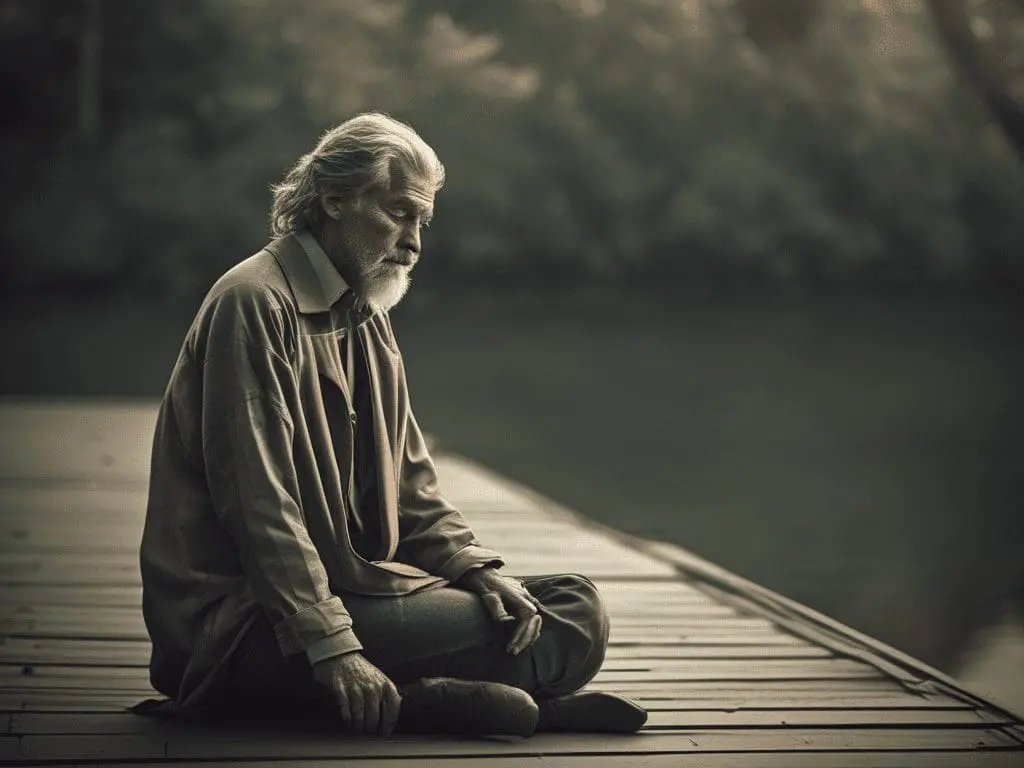

Anamnesis is a term that originates from the Greek language and literally means “recollection” or “remembering.” In the context of philosophy and psychology, anamnesis refers to the process of recalling past experiences, memories, and knowledge in order to gain a deeper understanding of oneself and the world around us.
In philosophy, anamnesis is closely associated with the teachings of the ancient Greek philosopher Plato. In his dialogues, Plato suggests that true knowledge is not something that can be taught or learned, but rather something that is already present within us. According to Plato, our souls possess innate knowledge that is awakened through the process of anamnesis. By engaging in self-reflection and recollection, we can access this knowledge and come to a greater understanding of the eternal truths that exist beyond the material world.
In psychology, anamnesis is often used to describe the process of gathering a patient’s medical history in order to better understand their current mental or physical health. By reviewing past experiences, traumas, and treatments, therapists and healthcare providers can gain valuable insight into the factors that may be contributing to a patient’s current condition.
Anamnesis is not just a theoretical concept – it is a practical tool that can be applied in various aspects of our lives. By reflecting on our past experiences, memories, and knowledge, we can gain insight into our own behaviour patterns, beliefs, and values. This self-awareness can be incredibly empowering, enabling us to make more informed choices and live a more authentic and fulfilling life.
Moreover, anamnesis can also help us to better understand and empathise with others. By listening to their stories and experiences, we can gain a deeper appreciation for their unique perspectives and backgrounds, fostering compassion and connection.
In conclusion, anamnesis is a powerful tool for personal growth, self-discovery, and empathy. By engaging in the process of recollection and remembrance, we can gain insight into our own selves and the world around us, leading to a greater sense of purpose and fulfilment. So let us pause, reflect, and remember – for in our memories lies the key to unlocking the wisdom and truth that resides within us.
Share this:

You Might Also Enjoy Reading