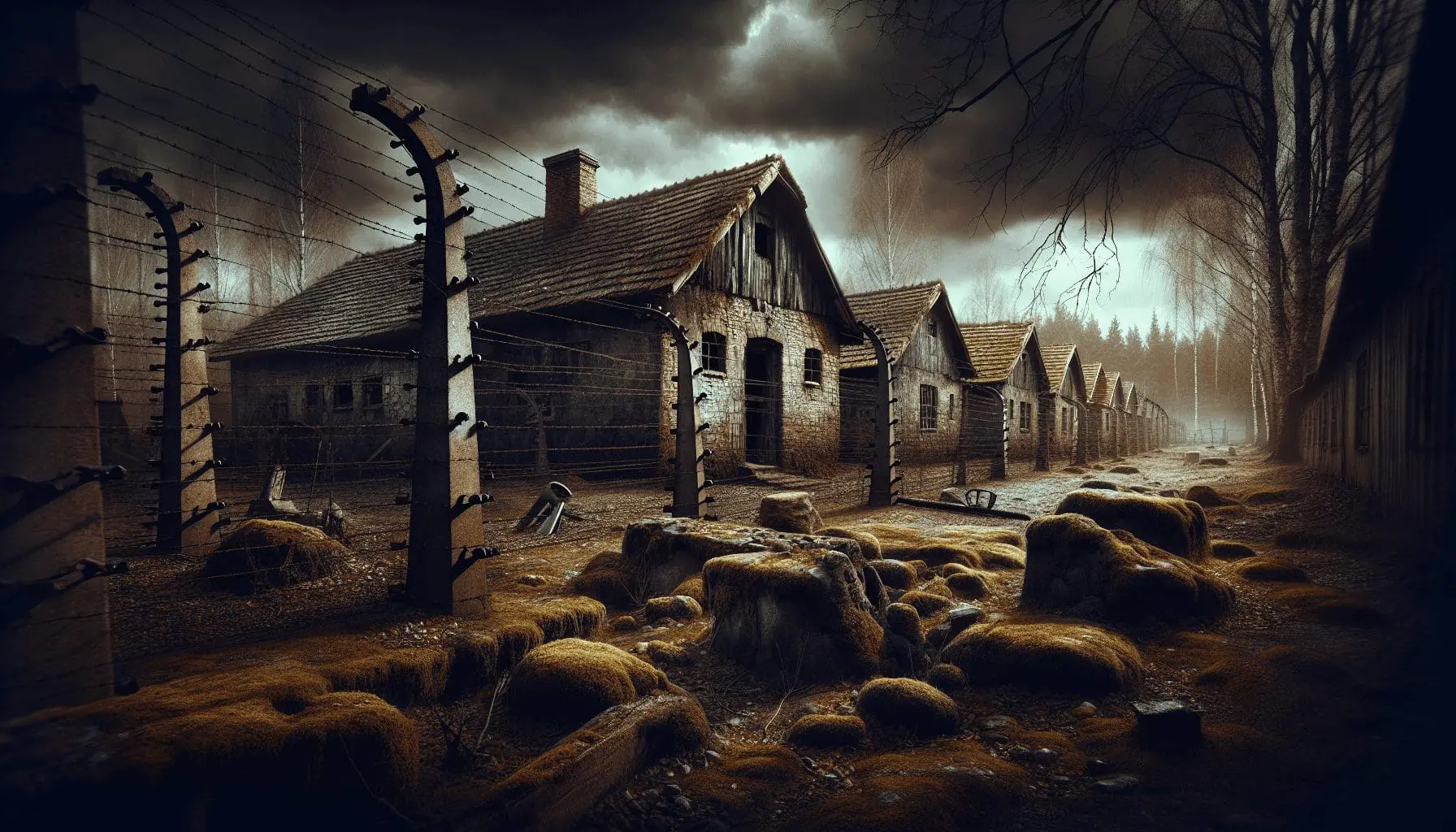

Spain has a dark and complicated history, marked by a long period of brutal dictatorship under General Francisco Franco. The scars of this era still linger in the country’s collective memory, but there is a deliberate effort to forget and move on from this dark chapter in Spanish history.
The “Pacto de Olvido,” or Pact of Forgetting, was a political agreement made in the transition to democracy in Spain in the late 1970s. This agreement called for a collective amnesia about the crimes and atrocities committed during Franco’s regime in order to foster unity and stability in the newly democratic Spain. It was a way to turn the page on the past and focus on building a new democratic society.
However, the Pact of Forgetting has been a topic of much debate and controversy in recent years. Many argue that it has allowed the crimes and human rights violations committed during the Franco era to go unpunished and unacknowledged. There is a growing movement in Spain to confront this dark past and bring justice to the victims of Franco’s regime.
In recent years, there have been efforts to uncover mass graves from the Franco era and bring closure to the families of those who were persecuted and killed during that time. The Spanish government has also passed laws to overturn the “Pacto de Olvido” and acknowledge the crimes committed during Franco’s regime. However, there is still much work to be done to fully reckon with the past and ensure that justice is served.
While it may be difficult to confront the painful memories of the Franco era, it is essential for Spain to acknowledge and learn from its past in order to move forward as a democratic and inclusive society. The “Pacto de Olvido” may have served a purpose in the immediate aftermath of Franco’s regime, but it is time for Spain to fully reckon with its dark past and ensure that the atrocities committed during that time are never forgotten or repeated.
Share this:

You Might Also Enjoy Reading