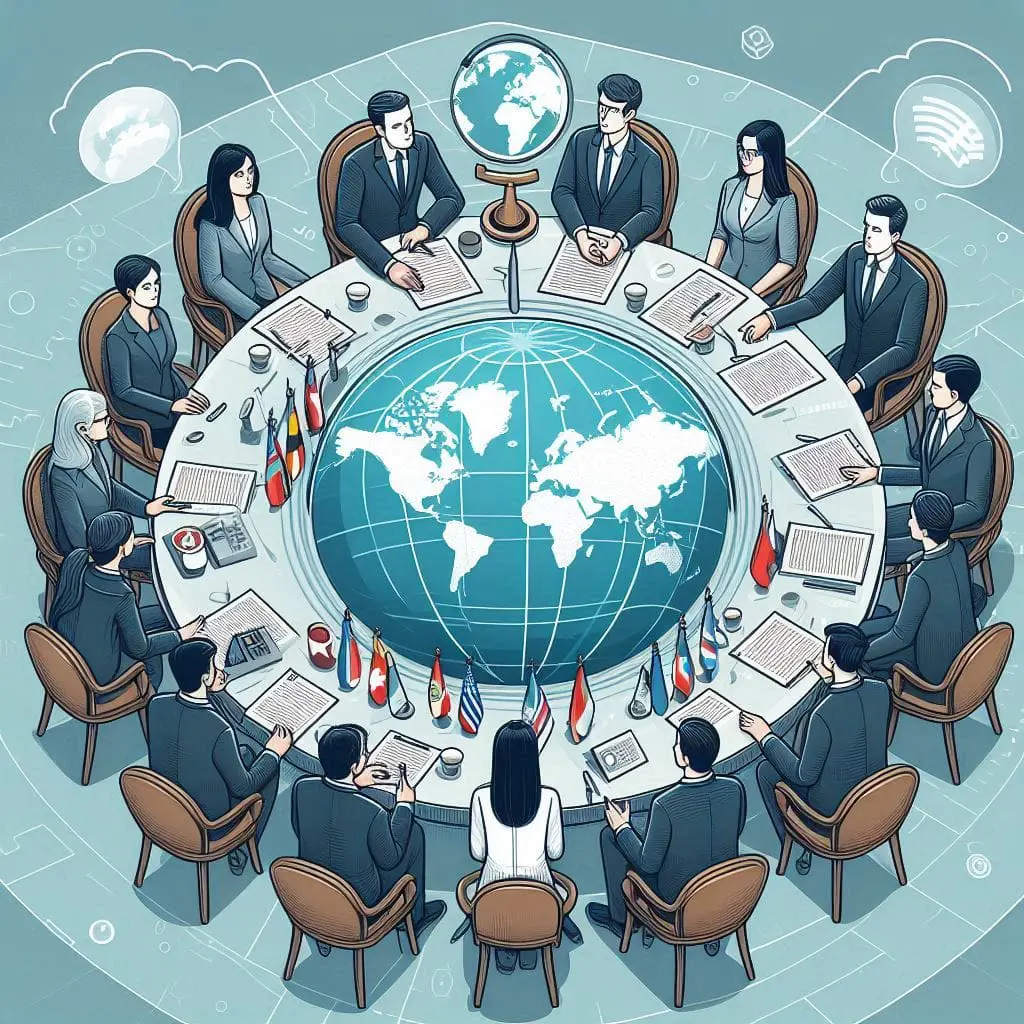

Communication is a crucial aspect of human interaction, and much of what we communicate is not done through words, but through body language. Nonverbal cues, such as facial expressions, gestures, posture, and eye contact, play a significant role in how we convey our thoughts and emotions to others.
It is important to be mindful of our body language, as it can have a profound impact on the effectiveness of our communication. Studies have shown that nonverbal cues can make up as much as 55% of overall communication, compared to just 7% for words themselves. This means that even if we say all the right things, our body language can still betray our true feelings or intentions.
For example, crossing your arms during a conversation can signal defensiveness or closed-mindedness, while leaning in and making eye contact can convey interest and openness. Similarly, fidgeting or avoiding eye contact can suggest discomfort or dishonesty, while a genuine smile can communicate warmth and sincerity.
Being aware of your own body language can help you better convey your message and build rapport with others. It can also help you better understand the emotions and intentions of those you are interacting with. By paying attention to nonverbal cues, you can pick up on subtle signals that may not be expressed verbally, leading to more effective and authentic communication.
In a professional setting, mastering body language can be especially important. Job interviews, negotiations, presentations, and meetings all require strong communication skills, and nonverbal cues can make a big difference in how you are perceived by others. By exuding confidence, attentiveness, and professionalism through your body language, you can make a positive impression and enhance your credibility.
So next time you find yourself in a conversation or meeting, remember to mind your body language. Pay attention to your posture, facial expressions, gestures, and eye contact, and be conscious of how they may be influencing your communication. By honing your nonverbal communication skills, you can become a more effective and persuasive communicator, both personally and professionally.
Share this:

You Might Also Enjoy Reading