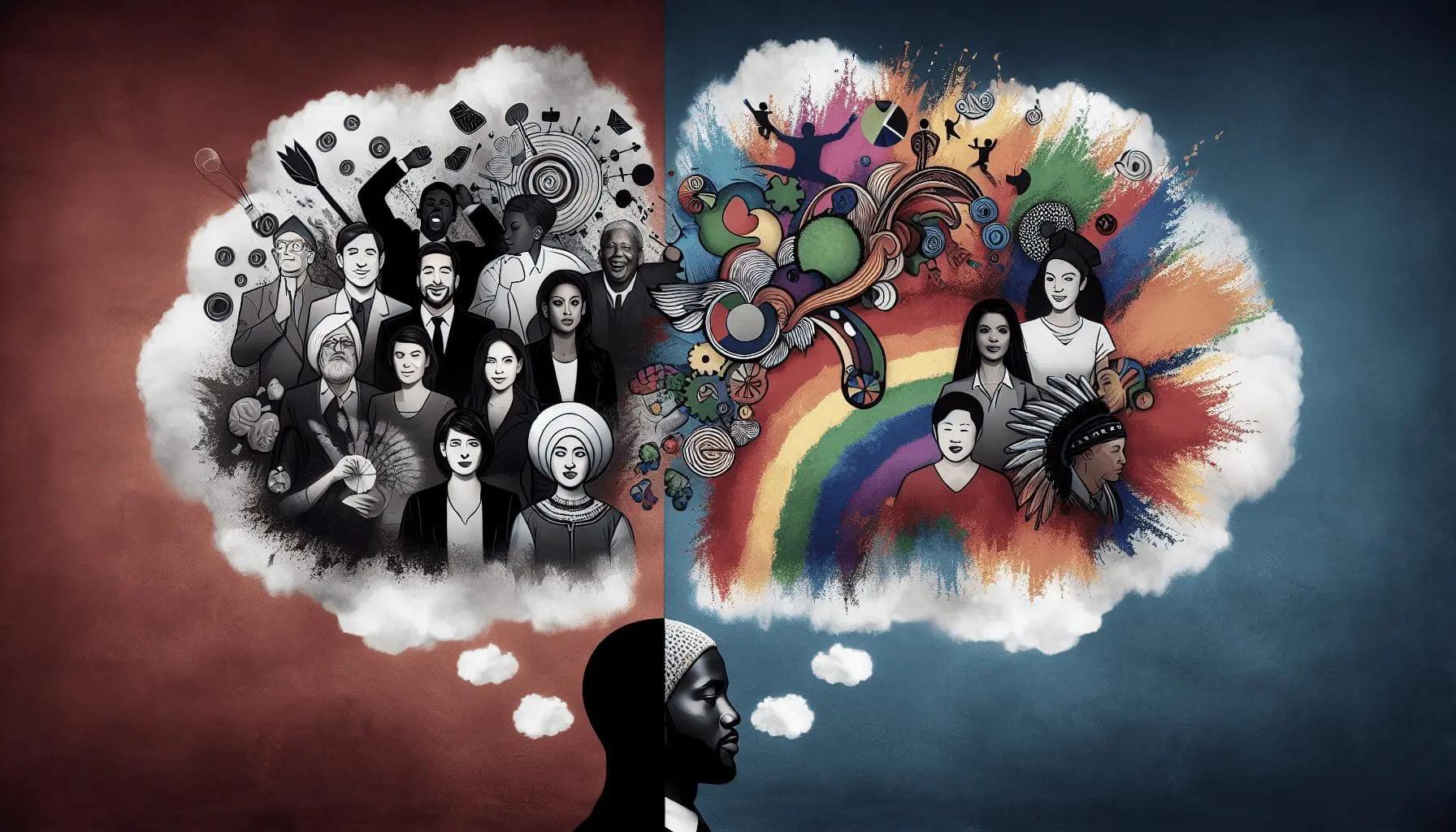

Stereotypes are ingrained in our society, often shaping the way we view and interact with people from different minority groups. These misconceptions can have damaging effects on individuals, perpetuating discrimination and prejudice. It is important for us to challenge these stereotypes and unpack the ways in which they impact minorities.
Discrimination can manifest in many forms, from overt acts of racism to subtle biases that influence our everyday decisions. For minorities, these stereotypes can create barriers to opportunities and hinder their ability to fully participate in society. Whether it’s assumptions about a person’s intelligence, work ethic, or cultural background, these misconceptions can have real-world consequences.
Take, for example, the stereotype that all Asian Americans are good at math and science. While this may seem like a seemingly harmless stereotype, it can lead to Asian Americans being pigeonholed into certain careers and overlooked for other opportunities. This narrow-minded thinking can limit their potential and perpetuate the notion that their worth is tied to their academic performance.
Similarly, the stereotype that all Black men are dangerous or prone to criminal behaviour can have devastating effects on individuals within this community. It can lead to increased scrutiny from law enforcement, discrimination in hiring practices, and limited access to educational and economic opportunities. These stereotypes are not only inaccurate but also perpetuate harmful biases that perpetuate systemic racism.
As a society, it is crucial that we challenge these stereotypes and work towards creating a more inclusive and equitable society. This starts with acknowledging our own biases and taking steps to educate ourselves about the experiences of minority groups. It also means amplifying the voices of those who are affected by discrimination and working towards dismantling systems of oppression.
By unpacking stereotypes and recognising the ways in which discrimination impacts minorities, we can move towards a more just and equitable society. It is up to all of us to challenge harmful stereotypes and work towards creating a world where every individual is valued and respected for who they are.
Share this:

You Might Also Enjoy Reading