

Michel Foucault, a French philosopher and social theorist, is well-known for his groundbreaking work on sexuality and the construction of subjectivity. Throughout his career, Foucault explored how societal norms and structures impact individuals’ understanding of their own identities, particularly in relation to their sexuality.
One of Foucault’s key ideas is the concept of the “repressive hypothesis,” which argues that Western society has historically approached sexuality through a lens of repression and control. According to Foucault, this repressive attitude towards sexuality has been used as a mechanism of power and social control, leading to the stigmatisation and marginalisation of certain sexual practices and identities.
Foucault also introduced the concept of “biopower,” which refers to the ways in which society regulates individuals‘ bodies and behaviours in order to maintain social order and control. This idea is particularly relevant when examining how sexuality is policed and regulated by institutions such as the state, the church, and the medical establishment.
Furthermore, Foucault’s work emphasises the ways in which sexuality is not an innate, fixed characteristic, but rather a socially constructed and historically contingent phenomenon. He argues that our understanding of sexuality is shaped by cultural norms, societal expectations, and power dynamics, rather than being determined by individual desires or instincts.
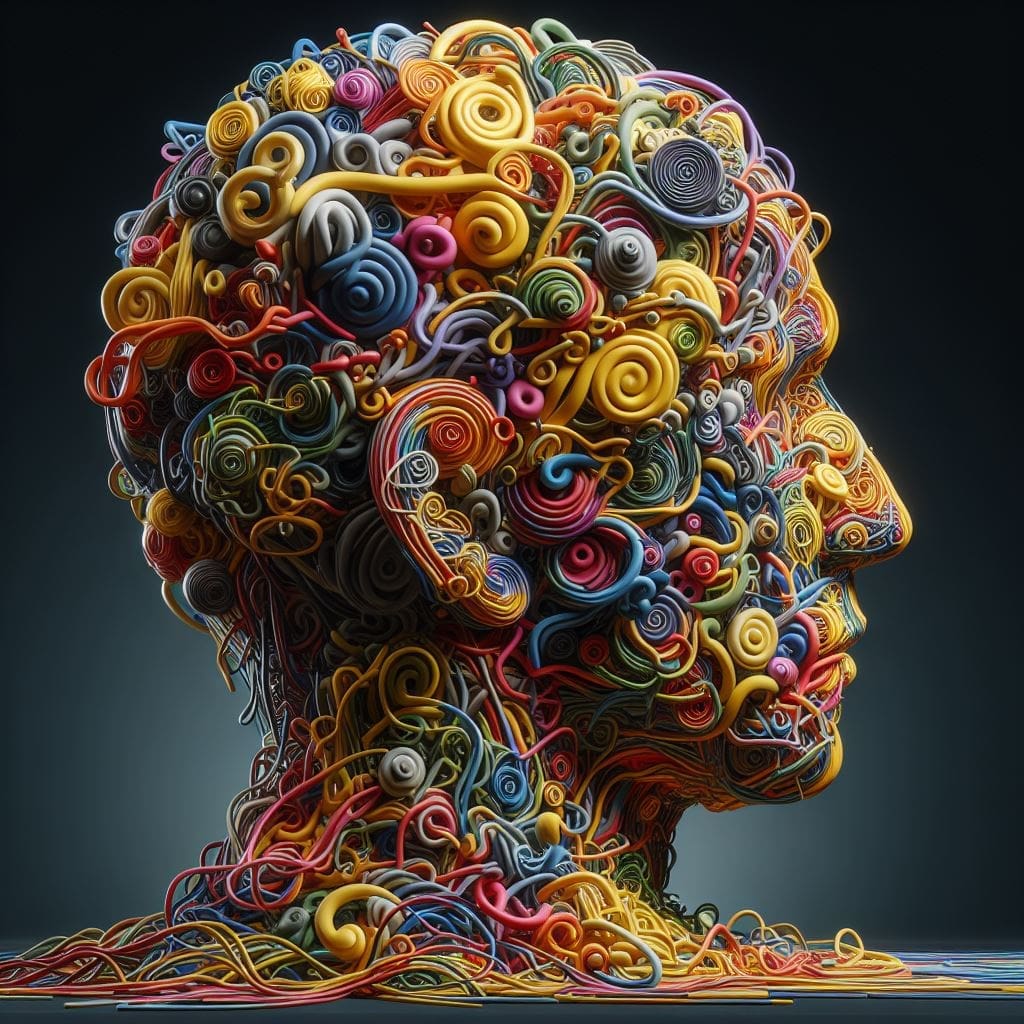
In addition to his theories on sexuality, Foucault also explored the construction of subjectivity – the process through which individuals come to understand themselves as unique and autonomous beings. He argued that subjectivity is not a natural or pre-existing state, but rather a complex and ever-shifting process that is shaped by social forces and power dynamics.
Overall, Foucault’s ideas on sexuality and subjectivity have had a profound impact on how we understand the ways in which power, knowledge, and identity intersect in our lives. By challenging traditional notions of sexuality and subjectivity, Foucault’s work continues to inspire critical thinking and reexamination of societal norms and structures.

Share this:

You Might Also Enjoy Reading