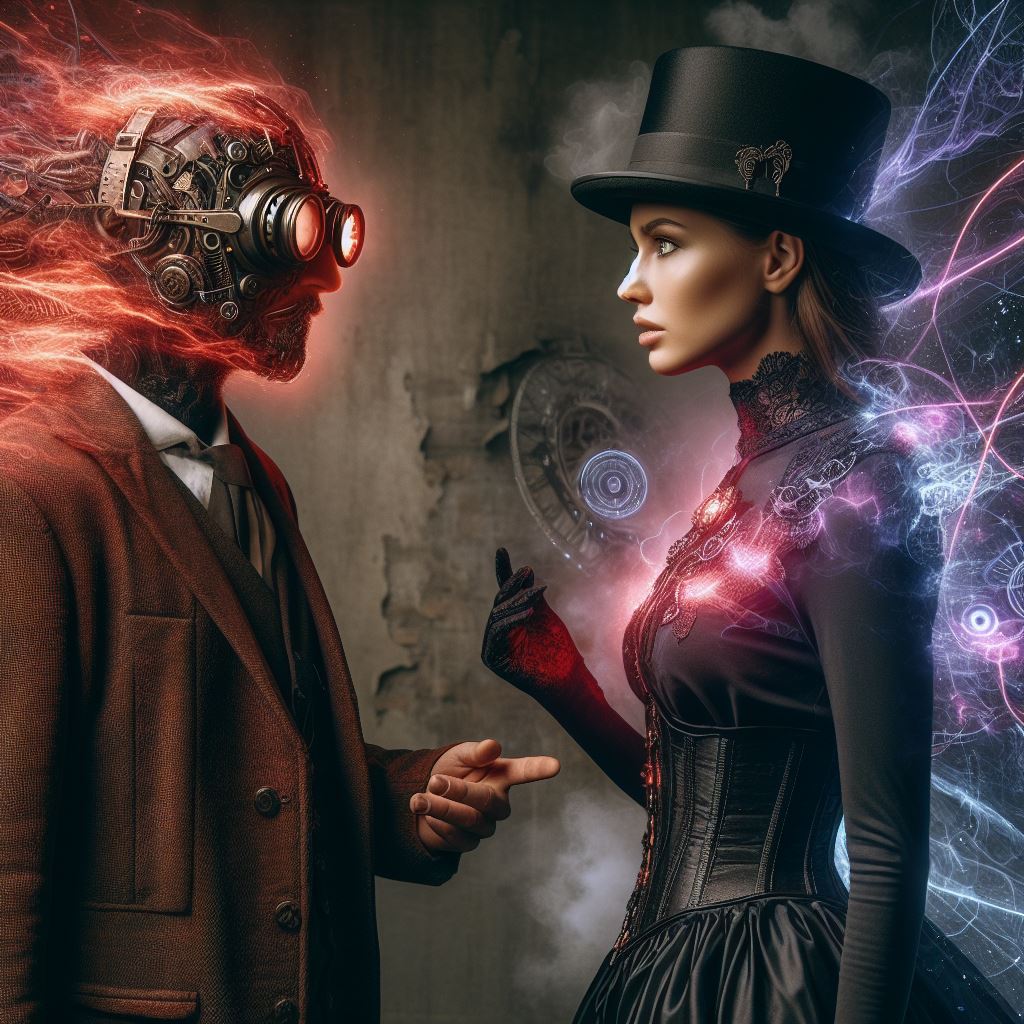

Parapsychology, also known as psychic research, is a field of study that explores the existence and causes of paranormal phenomena such as telepathy, clairvoyance, precognition, and psychokinesis. While controversial and often dismissed by sceptics, parapsychology has been studied for decades by researchers around the world.
Key concepts in parapsychology include:
1. Extrasensory perception (ESP): This refers to the ability to acquire information without using the traditional five senses. There are several types of ESP, including telepathy (mind-to-mind communication), clairvoyance (perceiving events or objects beyond the range of the ordinary senses), and precognition (predicting future events).
2. Psychokinesis (PK): Also known as telekinesis, psychokinesis is the ability to move or influence objects with the mind alone. This phenomenon has been studied in controlled laboratory settings, with some researchers reporting evidence of its existence.
3. Psi: This is a term used to describe all paranormal or psychic phenomena. It is often used as a catch-all term to encompass a wide range of experiences and abilities that fall outside the realm of conventional science.
4. Scepticism: Scepticism is a crucial concept in parapsychology, as the field has faced criticism and scepticism from mainstream science for decades. Sceptics argue that paranormal phenomena are either fraudulent or can be explained by known psychological or physical processes. Parapsychologists, on the other hand, believe that these phenomena are real and deserving of serious scientific investigation.
5. Experimental methodology: Parapsychologists use a variety of experimental methods to study psychic phenomena, including laboratory experiments, field investigations, and statistical analysis. These studies are designed to rule out potential biases and confounding factors, and to provide evidence for the existence of paranormal abilities.
While parapsychology remains a controversial field, there is a growing body of research that suggests that psychic phenomena may be real. As our understanding of the human mind and consciousness continues to evolve, it is essential that we keep an open mind and consider the possibility that there may be more to reality than meets the eye. Further research and exploration in this fascinating field may reveal new insights into the nature of consciousness and the potential of the human mind.
Share this:

You Might Also Enjoy Reading