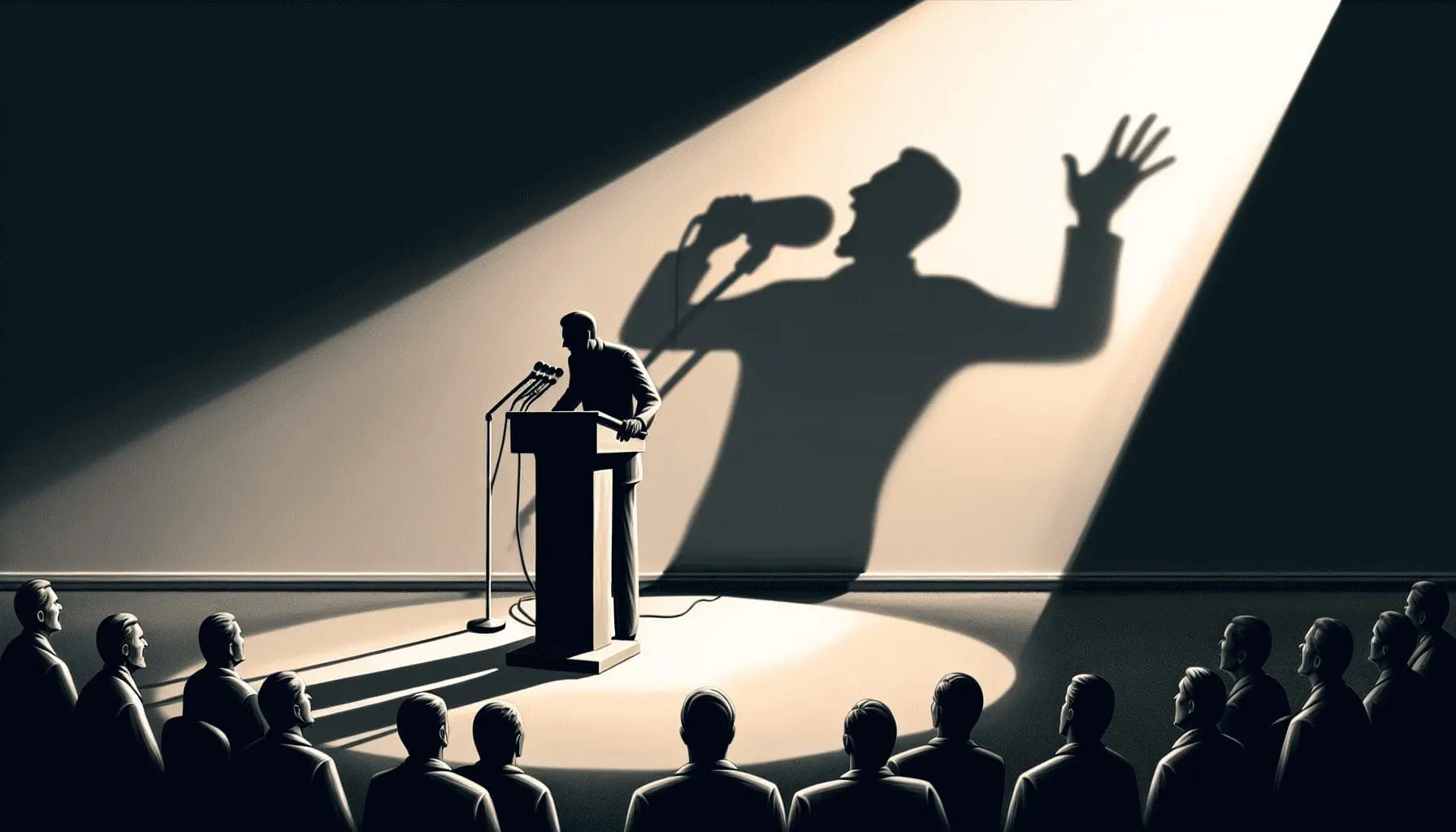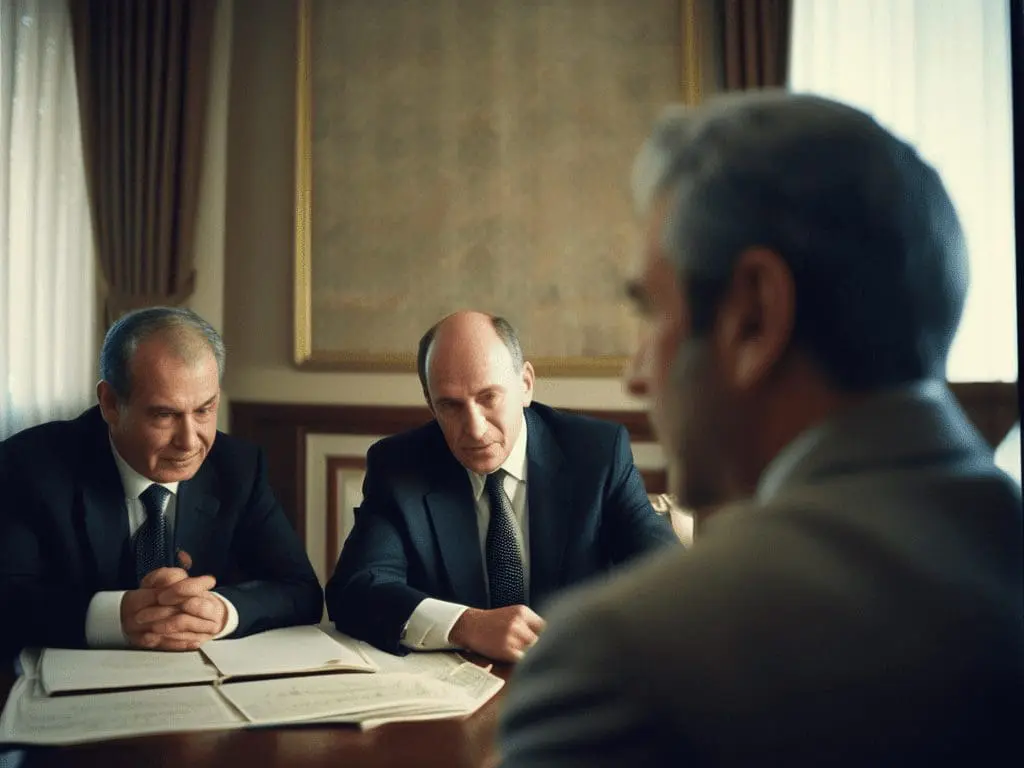

Communication is not just about the words we say; it’s also about the nonverbal cues we give off. Our body language can speak volumes, sometimes even more so than our actual words. Understanding and utilising nonverbal communication can be a powerful tool in both personal and professional relationships.
One important aspect of nonverbal communication is facial expressions. Our faces can convey a wide range of emotions, from happiness and excitement to anger and sadness. By being aware of the messages your facial expressions are sending, you can better control the way you are perceived by others. For example, maintaining a warm and friendly smile can make you appear approachable and likeable, while frowning or scowling can have the opposite effect.
Another important aspect of nonverbal communication is body posture and movement. The way you hold yourself can convey confidence, assertiveness, and openness, or insecurity, passivity, and defensiveness. Standing tall with your shoulders back and chin up can make you appear more confident and self-assured, while slouching or crossing your arms can make you seem closed off and unapproachable. Pay attention to your body language and make adjustments as needed to send the right message to those around you.

Eye contact is also a crucial component of nonverbal communication. Maintaining eye contact shows that you are attentive and engaged in a conversation, while avoiding eye contact can come across as disinterest or dishonesty. Of course, it’s important to strike a balance and not stare intensely at someone, as this can be perceived as aggressive or invasive. Instead, make natural and comfortable eye contact while speaking with others to show that you are actively listening and engaged.
In addition to facial expressions, body posture, and eye contact, there are many other nonverbal cues that can impact how we are perceived by others. Tone of voice, hand gestures, and even personal space can all communicate messages to those around us. By becoming more aware of these subtleties and learning to control and manipulate them, we can enhance our communication skills and improve our relationships with others.
So next time you find yourself in a conversation, pay attention to the nonverbal cues you are giving off. Are you smiling warmly, standing tall, and making eye contact? Or are you frowning, slouching, and avoiding eye contact? By mastering the art of nonverbal communication, you can better connect with others and convey your message with clarity and confidence.
Share this:

You Might Also Enjoy Reading