As cannabis use becomes more widespread and socially accepted, it’s important to understand the potential consequences of cannabis withdrawal. While some people may not experience any withdrawal symptoms at all, others may face a range of physical and psychological symptoms that can be challenging to cope with.
One of the most common physical symptoms of cannabis withdrawal is insomnia. Many people who stop using cannabis suddenly find it difficult to fall asleep or stay asleep throughout the night. This can be frustrating and lead to feelings of irritability and fatigue during the day.
Other physical symptoms of cannabis withdrawal can include headaches, digestive issues, and changes in appetite. Some people may also experience flu-like symptoms such as chills, sweating, and muscle aches. These symptoms typically peak within the first week of withdrawal and gradually improve over time.
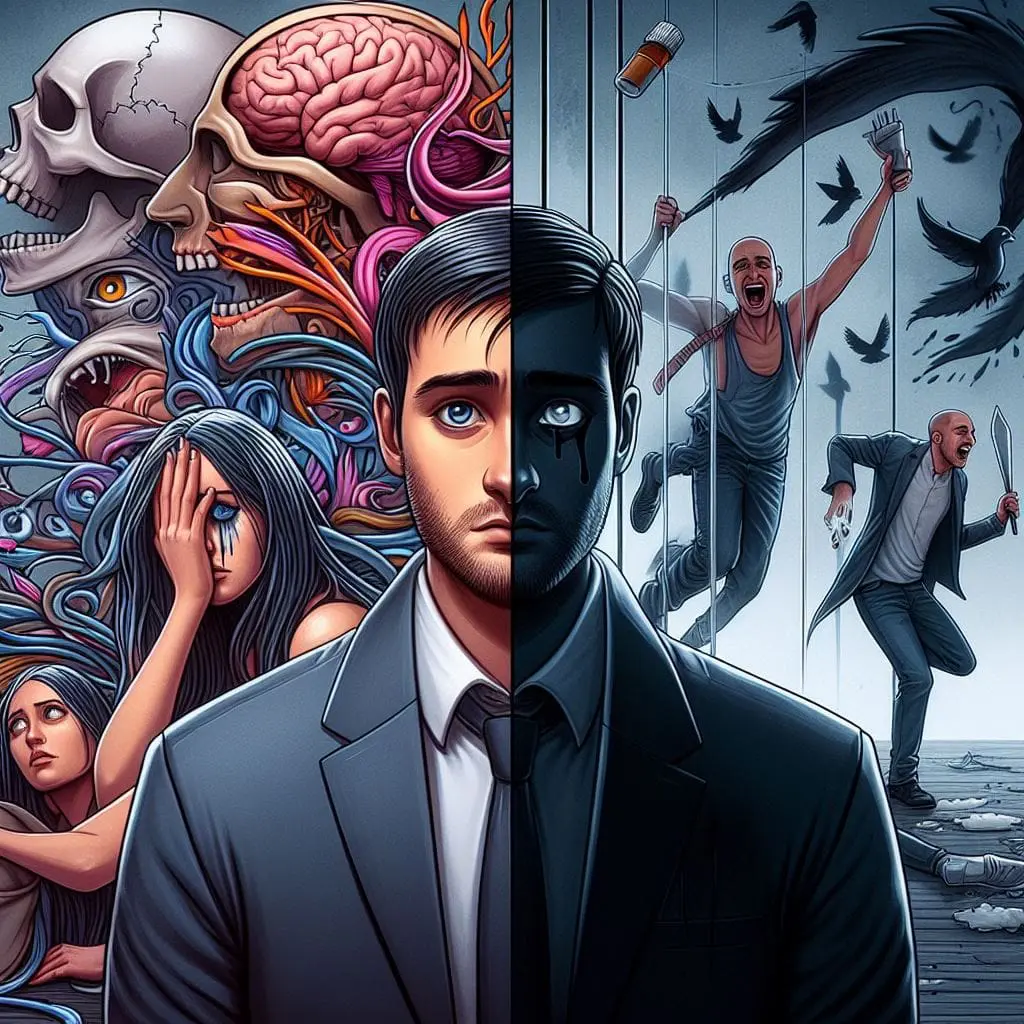
In addition to physical symptoms, cannabis withdrawal can also trigger psychological symptoms such as anxiety, depression, and irritability. Some people may also experience mood swings, difficulty concentrating, and intense cravings for cannabis. It’s important to remember that these feelings are temporary and will eventually subside with time.
If you’re experiencing cannabis withdrawal symptoms, there are several strategies that can help you cope. Staying hydrated, eating a balanced diet, and getting regular exercise can all help to alleviate physical symptoms. Engaging in relaxation techniques such as deep breathing exercises or meditation can also help to reduce feelings of anxiety and stress.
It’s important to remember that cannabis withdrawal is a normal and natural process that many people go through when they decide to stop using the drug. If you’re struggling with withdrawal symptoms, don’t be afraid to reach out for support. Counselling, support groups, and talking to a trusted friend or family member can all provide valuable emotional support during this time.
In conclusion, cannabis withdrawal symptoms are a common experience for many people who decide to stop using the drug. By understanding what to expect and implementing healthy coping strategies, you can successfully navigate this challenging period and move towards a healthier, cannabis-free lifestyle. Remember, you’re not alone, and there are resources available to help you through this transition.
Share this:

You Might Also Enjoy Reading