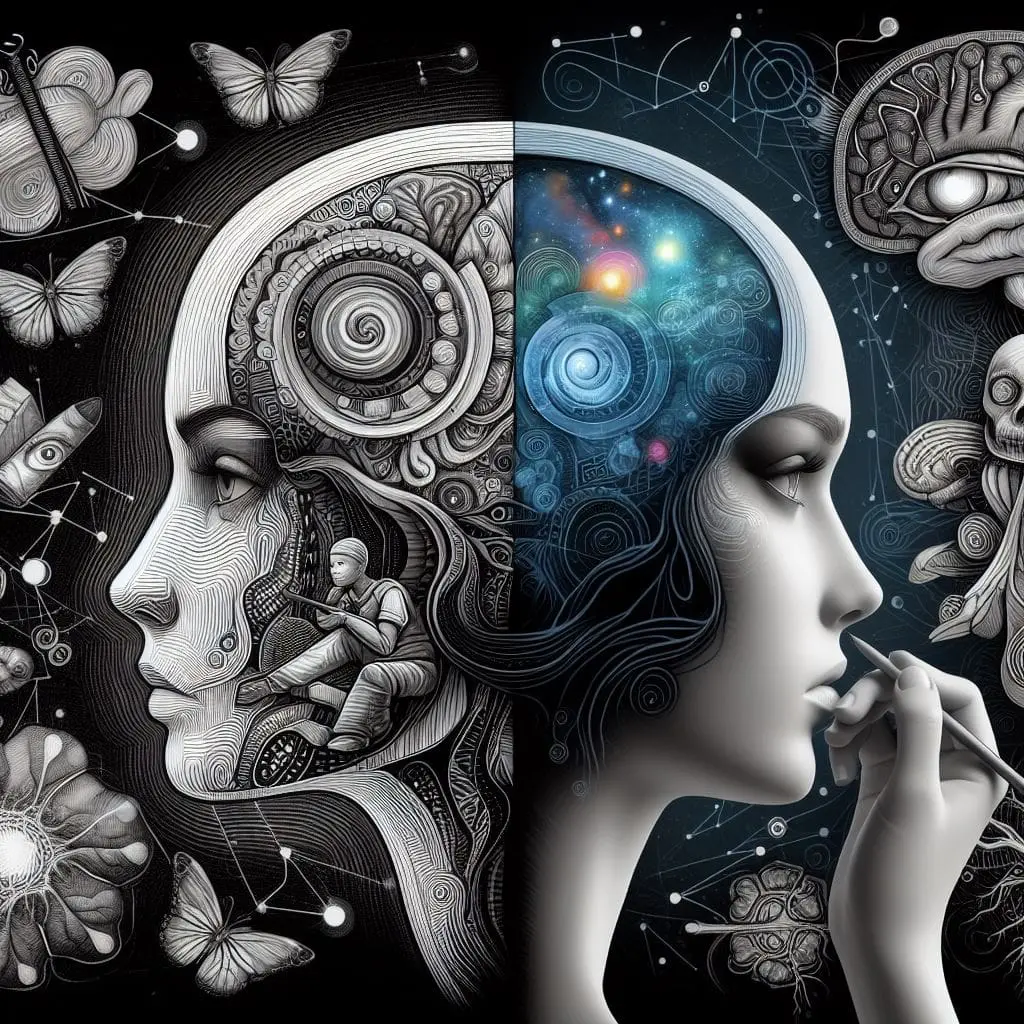
Psychoanalytic theory and its related concepts have shaped our understanding of human emotions, behaviour, and development for over a century. One such influential concept is the Ego Ideal, and the work of French psychoanalyst Janine Chasseguet-Smirgel has contributed significantly to its evolution. In this blog post, we will explore Chasseguet-Smirgel’s unique interpretation of the Ego Ideal and its transformative power in psychoanalysis.
Understanding the Ego Ideal
The Ego Ideal, as conceptualised by Sigmund Freud, represents an internalised image of an idealised version of oneself. It serves as an important psychological structure that influences our aspirations, goals, and the standards by which we evaluate ourselves. It is closely intertwined with our self-esteem and self-worth, perpetually influencing our conscious and unconscious choices throughout life.
Chasseguet-Smirgel’s Interpretation
Janine Chasseguet-Smirgel, a renowned psychoanalyst and expert on narcissism, provided a unique perspective on the Ego Ideal. She expanded Freud’s concept to encompass not only an idealised version of oneself but also idealised objects external to the individual. According to Chasseguet-Smirgel, the Ego Ideal extends beyond internalised representations of our own qualities and achievements, incorporating a wider range of idealised concepts, ideas, and even cultural norms.
The Role of the Ego Ideal in Development
Chasseguet-Smirgel argued that the Ego Ideal plays an essential role in human development, navigating the delicate balance between self-realisation and societal norms. As children, our early experiences and interactions with our caregivers lay the foundation for our Ego Ideals. We internalise their values, expectations, and standards, forming an initial template for our own self-perception and evaluation.
However, Chasseguet-Smirgel also emphasised that as individuals grow and develop, they begin to internalise cultural ideals and external objects as part of their Ego Ideals. These ideals are often reinforced by societal pressures, media influences, and personal experiences. The process is complex, as it involves reconciling one’s own desires and aspirations with the norms and ideals of the larger society.
The Transformative Power
Chasseguet-Smirgel proposed that the Ego Ideal has transformative potential within psychoanalysis. She argued that by exploring the unconscious dynamics surrounding our Ego Ideals, we can gain insight into the conflicts, desires, and defences that shape our behaviour and self-perception. This exploration allows individuals to question and challenge societal expectations that may hinder their personal growth and authenticity.
Through psychoanalysis, individuals can challenge and reshape their Ego Ideals, fostering self-acceptance and self-worth that are not solely dependent on societal norms or external validation. Chasseguet-Smirgel suggested that the liberation from an overly rigid Ego Ideal can empower individuals to explore their true desires, interests, and potentials, encouraging personal growth and psychological well-being.
Conclusion
Chasseguet-Smirgel’s understanding of the Ego Ideal expands our perception of this foundational psychological structure. By incorporating external cultural norms and idealised objects, she provides a broader framework for understanding the complexity of our self-perception and the influence of society on our development. Her work invites individuals to question and reconfigure their Ego Ideals, embracing their authentic selves while navigating the societal pressures and expectations. Ultimately, Chasseguet-Smirgel’s concept of the Ego Ideal offers a valuable lens through which we can explore and transform our identities and aspirations, promoting personal growth and self-fulfilment.
Share this:

You Might Also Enjoy Reading