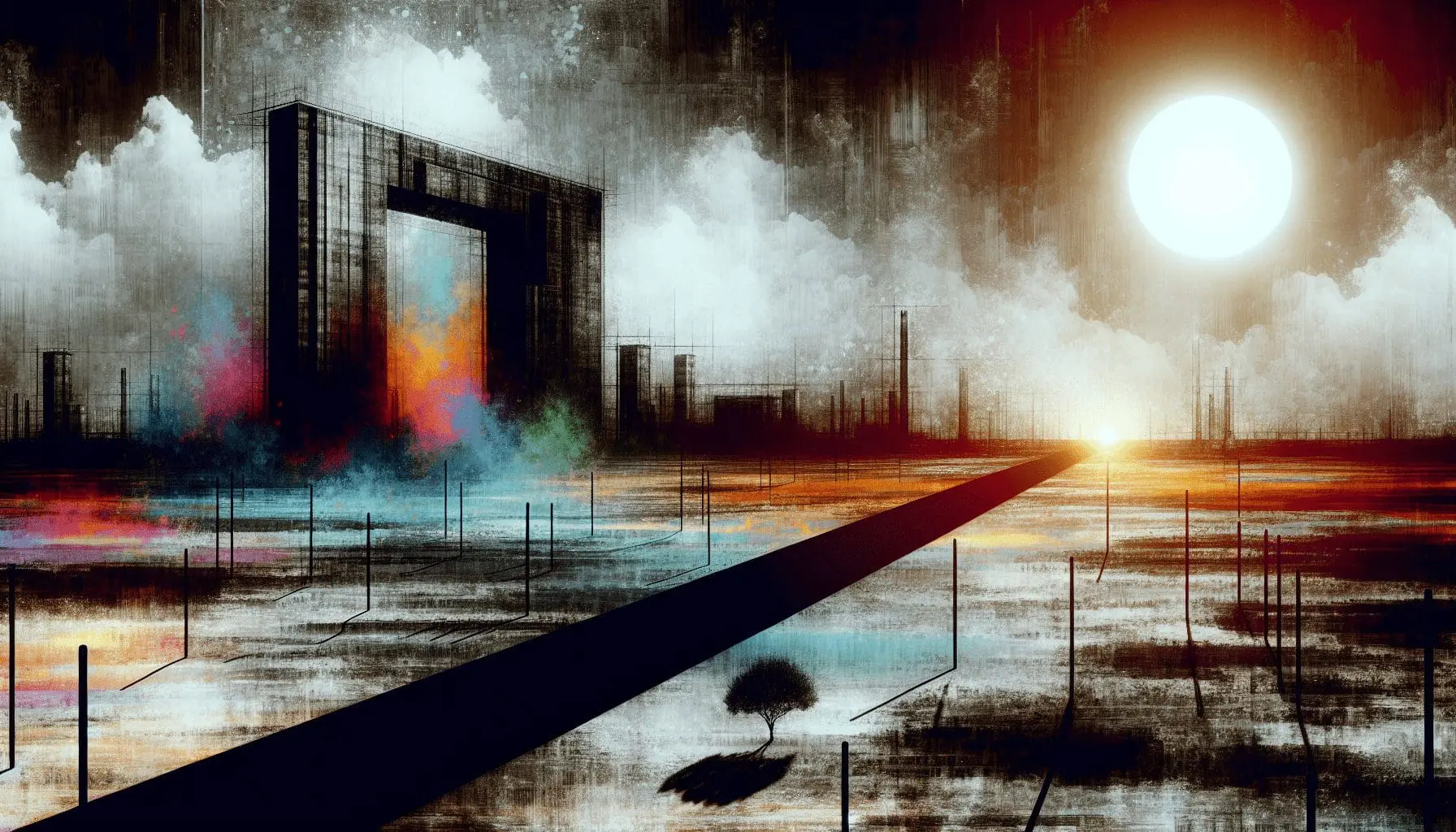
Surrealism, an artistic movement that emerged in the early 20th century, has captivated audiences worldwide with its mind-bending imagery and thought-provoking narratives. Beyond its visual allure, this artistic style is deeply rooted in the exploration of the human psyche and the subconscious mind. In this blog post, we will dive into the enthralling world of surrealism and unravel the psychology behind its ambiguous and dreamlike creations.
Unlocking the Subconscious Mind
At its core, surrealism is an artistic movement that attempts to liberate the mind from the constraints of reason and logic. The surrealist artists believed that the subconscious mind held great creative potential and sought to tap into it through various techniques, including automatism, dream analysis, and free association. By delving into the depths of their psyche, artists aimed to reveal hidden desires, emotions, and fears, giving rise to bizarre and often puzzling artworks.
The Realm of Dreams and Fantasies
Dreams form a significant aspect of surrealism. Artists were greatly influenced by Sigmund Freud’s theories on dreams and their hidden meanings. Surrealist imagery often draws inspiration from dreamlike landscapes, symbols, and scenarios that merge the real and the imaginary. These dreamscapes, tinged with absurdity and surprise, provide a glimpse into the multidimensional nature of the human mind.
The Power of Ambiguity and Symbolism
Surrealist artworks frequently employ ambiguity and symbolism to evoke strong emotions and provoke introspection. The juxtaposition of seemingly unrelated and conflicting elements challenges the viewer’s perceptions, forcing them to question their interpretations. This ambiguity acts as a catalyst for exploring one’s own subconscious associations and buried emotions, thereby stimulating a deeper engagement with the artwork.
Expressing the Unconscious
Surrealism delves into the uncharted territories of the unconscious, creating a platform for artists to express their innermost thoughts and desires unrestrainedly. By channelling their deepest fears, anxieties, and desires onto the canvas, surrealists aimed to free themselves from societal norms and constraints. In doing so, they hoped to encourage viewers to embrace their own subconscious minds and rediscover their true selves.
Beyond Reality: Disrupting the Everyday
Surrealism challenges our perception of reality, often presenting ordinary objects and situations in extraordinary and illogical ways. By disrupting the familiar, surrealism forces us to question our understanding of the world. This disruption allows us to tap into a childlike sense of wonder and exploration, encouraging us to escape the mundane and embrace creativity, curiosity, and innovation.
Conclusion
Surrealism serves as an enchanting gateway to the depths of the human mind, exploring the mysteries of the subconscious and the power of the imagination. By unfettering the artists’ creative expression, surrealism transforms seemingly ordinary objects and scenes into extraordinary works that provoke thought and introspection. Through the psychology of surrealism, we are reminded of the vast potential hidden within our own subconscious minds, inviting us to embrace the surreal, the ambiguous, and the fantastical, both in art and in life.
Share this:

You Might Also Enjoy Reading